

WINNER

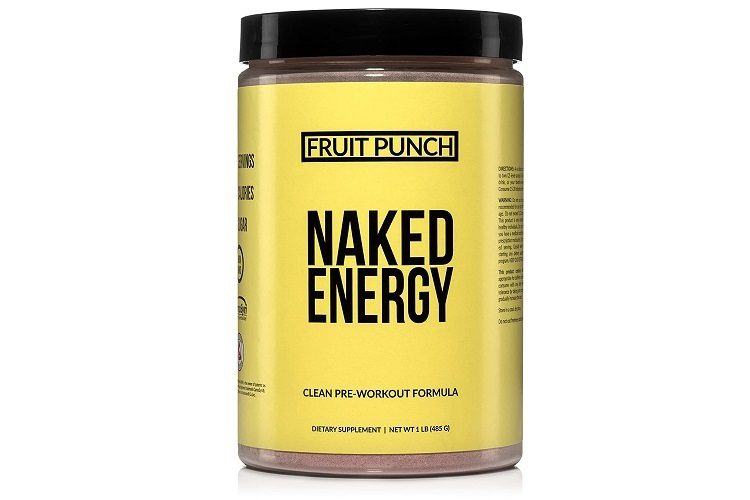
Naked Energy
Improves focus
Vegan
non-GMO
CHECK LATEST PRICE
RUNNER UP

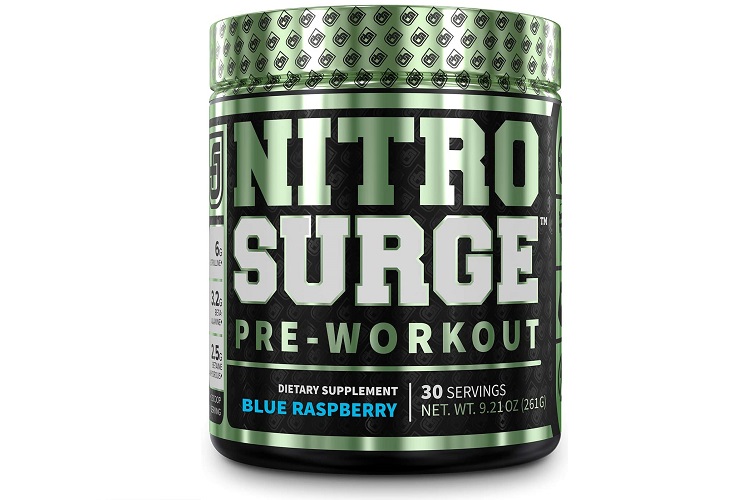
NitroSurge
180mg Caffeine
Increases energy
Filled with L-citrulline
CHECK LATEST PRICE
BEST BUY

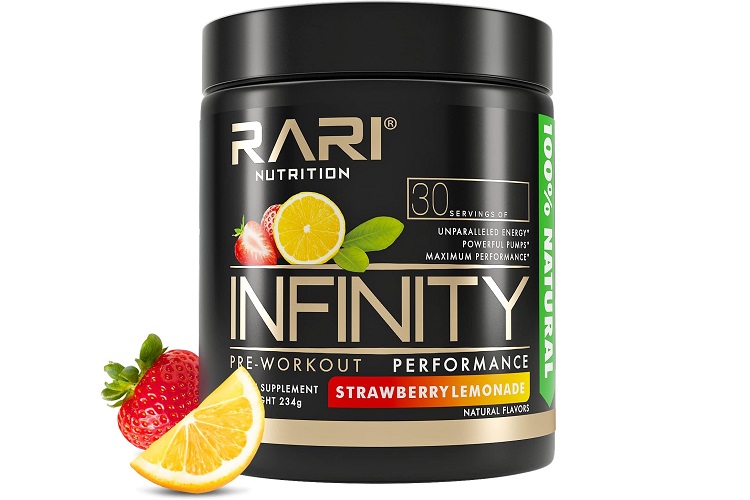
Rari Nutrition
No artificial colors
Blend of B vitamins
Excellent flavors
CHECK LATEST PRICE
<p>Getting pumped up before your workout is imperative to a successful workout session, and the way that many of us get there is with the best pre workout drink just before our session starts.</p><p>But how do you do that effectively?</p><p>Is there one specific kind of pre <a href="/best-fitness-tracker-under-50/">workout that works</a> better than others, or is it all subjective depending on what you need? Let’s find out.</p><p>The best pre workout supplement for you might not do the same thing for your best friend or running partner, but by tracing all the ingredients and going off of readily available scientific data on each of them, we’re able to find out what is objectively better for you, and better for your workout.</p>
<h2>Best Overall: Naked Energy</h2>
<h3>Short summary</h3>
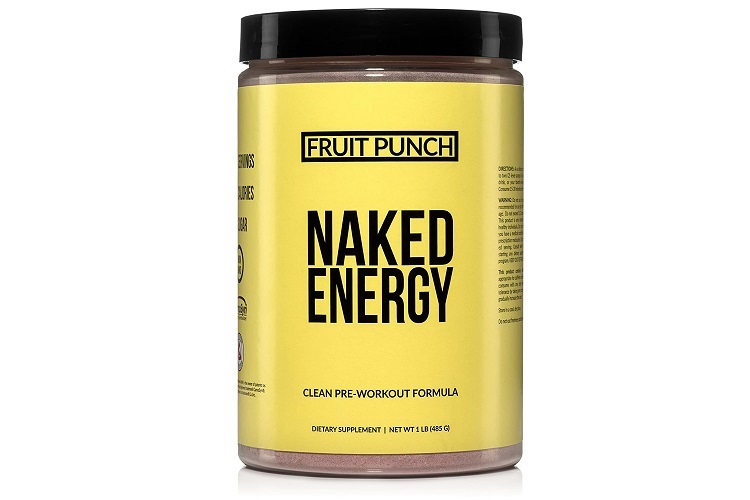
<p>The best pre workout isn’t a title that we slap on something lightly. Naked Energy is the only way for the health-conscious, vegan-friendly lifter and cardio enthusiast to get ready for their workout.</p>
<a href="https://www.amazon.com/dp/B071ZDD3HL/?tag=dswfitness-20" target="_blank" rel="nofollow noopener">
<img width="750" height="500" src="/wp-content/uploads/2022/01/Naked-Energy.jpg" alt="Best Pre Workouts" loading="lazy" srcset="/wp-content/uploads/2022/01/Naked-Energy.jpg 750w, /wp-content/uploads/2022/01/Naked-Energy-300x200.jpg 300w" sizes="(max-width: 750px) 100vw, 750px" decoding="async" /> </a>
<a href="https://www.amazon.com/dp/B071ZDD3HL/?tag=dswfitness-20" target="_blank" rel="nofollow noopener" role="button">
CHECK LATEST PRICE
</a>
<p>Starting off with some highs, this makes it as the best pre workout for weight loss solely because it’s not filling you up with unnecessary chemicals and garbage the whole time you’re using it.</p><p><strong>There’s no dairy, no GMOs present, and no soy. Everything about Naked Energy is completely keto friendly as well.</strong></p><p>But what does it taste like? Ah, therein lies the rub. You have two choices: unflavored, or fruit punch. Honestly, it’s a bit of a weird jump to go from unflavored to fruit punch, but somehow it works. You can mix this in with other supplements you use for pre workout to change the flavor.</p><p>There is artificial sweetener present, because as they say, a spoonful of sugar helps the medicine go down. Unfortunately, this isn’t <i>quite </i>as sweet as sugar, so you’re going to have a bit of a grapefruit-flavored aftertaste pending your last sip.</p><p>It’s not the most pleasant pre workout aftertaste that there is, but at the cost of not pumping your body full of chemicals and preservatives, it’s worth it.</p><p>You get the perfect blend of caffeine, but you’re far from the perfect price. This is on the higher end, especially for just having an 8.2 oz container.</p><p>You get what you pay for, and there’s no inexpensive option for something this powerful. It’s worth every penny, but not easy for all to budget in.</p>
<h3>Quick Facts</h3>
<ul>
<li>
<b>Flavor:</b> Unflavored, Fruit Punch
</li>
<li>
<b>Size:</b> 8.2 oz
</li>
<li>
<b>Form:</b> Powder supplement drink mix
</li>
</ul>
<h3>Pros</h3>
<ul>
<li>
Loads of B3 and B12 vitamins for healthy circulation and improved focus
</li>
<li>
Vegan, non-GMO, gluten-free, and a host of other health benefits
</li>
<li>
200mg of caffeine is a nice boost without overdoing it (like some pre workout drinks do)
</li>
</ul>
<h3>Cons</h3>
<ul>
<li>
Artificial sweetener can taste a little bit like grapefruit during the aftertaste
</li>
<li>
Expensive dollar-to-ounce ratio given the nature of the production process
</li>
</ul>
<a href="https://www.amazon.com/dp/B071ZDD3HL/?tag=dswfitness-20" target="_blank" rel="nofollow noopener" role="button">
CHECK LATEST PRICE
</a>
<h3>Best Pre Workout</h3>
<a href="https://www.amazon.com/dp/B071ZDD3HL/?tag=dswfitness-20" target="_blank" rel="nofollow noopener">
<img width="750" height="500" src="/wp-content/uploads/2022/01/Naked-Energy.jpg" alt="Best Pre Workouts" loading="lazy" srcset="/wp-content/uploads/2022/01/Naked-Energy.jpg 750w, /wp-content/uploads/2022/01/Naked-Energy-300x200.jpg 300w" sizes="(max-width: 750px) 100vw, 750px" decoding="async" /> </a>
<i></i><i></i><i></i><i></i><i></i> 4.5/5
<h3>Naked Energy</h3>
<a href="https://www.amazon.com/dp/B071ZDD3HL/?tag=dswfitness-20" target="_blank" rel="nofollow noopener" role="button">
CHECK LATEST PRICE
</a>
<h2>Runner-Up: NitroSurge</h2>
<h3>Short summary</h3>
<p>NitroSurge is one of the highest-rated pre workout supplements on Amazon, and because of that, there’s a plethora of information and anecdotes about it. But the facts are facts, and if you look in the ingredients, this is a good pre workout, but it’s short-lived.</p>
<a href="https://www.amazon.com/dp/B07SNTQ7QQ/?tag=dswfitness-20" target="_blank" rel="nofollow noopener">
<img width="750" height="500" src="/wp-content/uploads/2022/01/NITROSURGE.jpg" alt="Best Pre Workouts" loading="lazy" srcset="/wp-content/uploads/2022/01/NITROSURGE.jpg 750w, /wp-content/uploads/2022/01/NITROSURGE-300x200.jpg 300w" sizes="(max-width: 750px) 100vw, 750px" decoding="async" /> </a>
<a href="https://www.amazon.com/dp/B07SNTQ7QQ/?tag=dswfitness-20" target="_blank" rel="nofollow noopener" role="button">
CHECK LATEST PRICE
</a>
<p>Just like you would expect from the name, it’s a surge of energy. It’s the best pre workout for running because of how fast it works, so you can take a swig just before you run out on the trail and do some serious miles, but it’s not going to stay in your system forever.</p><p>It’s not the best pre workout for women because many of the nutrients appear to target men moreso than women.</p><p>So it’s short-lived, but during that quick run it has coursing through your veins, you’re filled with L-citrulline and around 180mg of caffeine to give you a nice boost.</p><p><strong>The average small cup of hot coffee has around 140mg, so this is a boost that you want just before you go out on a run so you don’t end up with jitters afterwards.</strong></p><p>As we say, you get what you pay for, and because of the price versus volume here, there are some filler products in this mix. You’re going to find that in most mixes around this price, which is why we contrasted this against Naked Energy.</p><p>For what you get, it’s the best bang for your buck, the best burst of energy, and apart from some users reporting slightly upset stomachs from time to time, it does its job.</p>
<h3>Quick Facts</h3>
<ul>
<li>
<b>Flavor:</b> Cherry Lemonade,Cotton Candy,Green Apple+8 more
</li>
<li>
<b>Size:</b> 8.9 oz
</li>
<li>
<b>Form:</b> Powder supplement drink mix
</li>
</ul>
<h3>Pros</h3>
<ul>
<li>
Noticeable energy increase shortly after consuming
</li>
<li>
Caffeine is 180mg, a reasonable middle-ground even for those with sensitivities
</li>
<li>
High dose of L-citrulline and excellent number of flavors
</li>
</ul>
<h3>Cons</h3>
<ul>
<li>
Some users reported upset stomach as a frequent side effect
</li>
<li>
Doesn’t contain as many positive ingredients as other preworkout drinks; there’s some filler here
</li>
</ul>
<a href="https://www.amazon.com/dp/B07SNTQ7QQ/?tag=dswfitness-20" target="_blank" rel="nofollow noopener" role="button">
CHECK LATEST PRICE
</a>
<h3>Best Pre Workout</h3>
<a href="https://www.amazon.com/dp/B071ZDD3HL/?tag=dswfitness-20" target="_blank" rel="nofollow noopener">
<img width="750" height="500" src="/wp-content/uploads/2022/01/Naked-Energy.jpg" alt="Best Pre Workouts" loading="lazy" srcset="/wp-content/uploads/2022/01/Naked-Energy.jpg 750w, /wp-content/uploads/2022/01/Naked-Energy-300x200.jpg 300w" sizes="(max-width: 750px) 100vw, 750px" decoding="async" /> </a>
<i></i><i></i><i></i><i></i><i></i> 4.5/5
<h3>Naked Energy</h3>
<a href="https://www.amazon.com/dp/B071ZDD3HL/?tag=dswfitness-20" target="_blank" rel="nofollow noopener" role="button">
CHECK LATEST PRICE
</a>
<h2>Alternative: Rari Nutrition</h2>
<h3>Short summary</h3>
<p>Are you sensitive to food dye? Turns out, up to 4% of individuals that suffer from allergies can tack food dye onto that list. So how did Rari Nutrition make it onto the list of the best pre workouts for men and women? Because they don’t use any.</p>
<a href="https://www.amazon.com/dp/B01DB5RQBQ/?tag=dswfitness-20" target="_blank" rel="nofollow noopener">
<img width="750" height="500" src="/wp-content/uploads/2022/01/RARI-Nutrition.jpg" alt="Best Pre Workouts" loading="lazy" srcset="/wp-content/uploads/2022/01/RARI-Nutrition.jpg 750w, /wp-content/uploads/2022/01/RARI-Nutrition-300x200.jpg 300w" sizes="(max-width: 750px) 100vw, 750px" decoding="async" /> </a>
<a href="https://www.amazon.com/dp/B01DB5RQBQ/?tag=dswfitness-20" target="_blank" rel="nofollow noopener" role="button">
CHECK LATEST PRICE
</a>
<p>No food dye is great, but Rari Nutrition also adds extra dashes of B vitamins into their star-studded mix. We did a whole post on circulatory problems and how they benefit from B vitamins, so if you’re going to get them from anywhere, your pre workout is the best place.</p><p>Folic acid is something we often only think of during prenatal care for women who are looking to conceive, but the fact of the matter is, we all need folic acid. Add that onto the list of vitamins that Rari Nutrition is ripe with, but let’s not get ahead of ourselves, because not everything about this mix is so amazing.</p><p>We’re not sure why, since it has similar volumes of caffeine to other pre-workout mixes, but Rari Nutrition leaves you with some jitters afterward. It could be because B vitamins are accompanied by caffeine in popular energy drinks, so it helps you feel boosted for longer, but it’s not for us to say.</p><p><strong>Steer clear from the flavors from Rari Nutrition that has bogus marketing tactics as well, because the flavor doesn’t really change the ingredients list as much as you’re led to believe</strong>. Rari is still a great company, but they could do with a revisit to their labels and how they portray their drinks.</p><p>Still, the proof is in the pudding. You get a great, invigorating feeling before your workout, and while you have some jitters afterwards, there’s certainly no crash.</p><p>This is great before a run or <a href="/best-cardio-machine-for-weight-loss/">anything cardio-related</a>, however you may want to incorporate an additional supplement with high protein prior to powerlifting or intense resistance training.</p>
<h3>Quick Facts</h3>
<ul>
<li>
<b>Flavor:</b> Blue raspberry, Strawberry Lemonade
</li>
<li>
<b>Size:</b> 234 grams
</li>
<li>
<b>Form:</b> Powder supplement drink mix
</li>
</ul>
<h3>Pros</h3>
<ul>
<li>
No artificial colors (there are a lot of dye sensitivities out there)
</li>
<li>
Good medium blend of B vitamins, folic acid, caffeine, and others
</li>
<li>
Excellent flavors that you won’t get sick of
</li>
</ul>
<h3>Cons</h3>
<ul>
<li>
This mixture leaves many users feeling jittery before their workout and after
</li>
<li>
Some flavors/types have BS marketing tactics
</li>
</ul>
<a href="https://www.amazon.com/dp/B01DB5RQBQ/?tag=dswfitness-20" target="_blank" rel="nofollow noopener" role="button">
CHECK LATEST PRICE
</a>
<h3>Best Pre Workout</h3>
<a href="https://www.amazon.com/dp/B071ZDD3HL/?tag=dswfitness-20" target="_blank" rel="nofollow noopener">
<img width="750" height="500" src="/wp-content/uploads/2022/01/Naked-Energy.jpg" alt="Best Pre Workouts" loading="lazy" srcset="/wp-content/uploads/2022/01/Naked-Energy.jpg 750w, /wp-content/uploads/2022/01/Naked-Energy-300x200.jpg 300w" sizes="(max-width: 750px) 100vw, 750px" decoding="async" /> </a>
<i></i><i></i><i></i><i></i><i></i> 4.5/5
<h3>Naked Energy</h3>
<a href="https://www.amazon.com/dp/B071ZDD3HL/?tag=dswfitness-20" target="_blank" rel="nofollow noopener" role="button">
CHECK LATEST PRICE
</a>
<h2>Alternative: Nutricost Performance</h2>
<h3>Short summary</h3>
<p>There are classic flavors like fruit punch, and then there are the ones we all crave like watermelon and blue raspberry. Thankfully, Nutricost has those and more, and despite using artificial sweetener, they end up tasting more like a treat than a pre workout formula.</p>
<a href="https://www.amazon.com/dp/B07HJHFLBH/?tag=dswfitness-20" target="_blank" rel="nofollow noopener">
<img width="750" height="500" src="/wp-content/uploads/2022/01/Nutricost.jpg" alt="Best Pre Workouts" loading="lazy" srcset="/wp-content/uploads/2022/01/Nutricost.jpg 750w, /wp-content/uploads/2022/01/Nutricost-300x200.jpg 300w" sizes="(max-width: 750px) 100vw, 750px" decoding="async" /> </a>
<a href="https://www.amazon.com/dp/B07HJHFLBH/?tag=dswfitness-20" target="_blank" rel="nofollow noopener" role="button">
CHECK LATEST PRICE
</a>
<p>Apart from having a great-tasting formula, Nutricost has an entirely GMO-free production process, so you’re not getting any unnecessary growth hormones in your drink.</p><p>That’s good for a lot of different reasons. It’s also a really good bang for your buck, because you get a whopping 33.6 oz for one of the lowest dollar-to-ounce prices that we’ve ever seen.</p><p>We were skeptical while trying it, but it doesn't take long to prove its mettle. Nutricost works quickly and flows through the body to hit hard, and give you a great surge of energy for your run or lifting session.</p><p><strong>It can take a little bit to actually mix it in though, so be sure to have those steel mixing ball shakers ready.</strong></p><p>Some B vitamins are derived from natural sources, and some from synthetic sources. Nutricost uses synthetic sources which may not be absorbed by the body as easily as natural vitamins.</p><p>It’s still one of the best pre workouts on Amazon hands down, because no pre workout can tick every box, but just monitor your B vitamin intake as much as you can.</p><p>The only other major complain that we have would be the lack of daily value percentages on the label. Thankfully you can determine this for yourself, but it would still be nice to have a frame of reference for exactly what you’re consuming.</p><p>Nutricost is one of the best deals you’re going to find, and one of the few that are cost-effective in a 60-day bundle. It’s worth a shot.</p>
<h3>Quick Facts</h3>
<ul>
<li>
<b>Flavor:</b> Watermelon, Grape, Peach Mango, BLue Raspberry, Fruit Punch
</li>
<li>
<b>Size:</b> 33.6 oz
</li>
<li>
<b>Form:</b> Powder supplement drink mix
</li>
</ul>
<h3>Pros</h3>
<ul>
<li>
Great bang for your buck with 60 servings for the average price of 30-40
</li>
<li>
Completely GMO-free product
</li>
<li>
Excellent flavor profiles
</li>
</ul>
<h3>Cons</h3>
<ul>
<li>
Nutrition label is incomplete; doesn’t show you daily value per ingredient
</li>
<li>
B vitamins are lesser forms than found in competing mixes
</li>
</ul>
<a href="https://www.amazon.com/dp/B07HJHFLBH/?tag=dswfitness-20" target="_blank" rel="nofollow noopener" role="button">
CHECK LATEST PRICE
</a>
<h3>Best Pre Workout</h3>
<a href="https://www.amazon.com/dp/B071ZDD3HL/?tag=dswfitness-20" target="_blank" rel="nofollow noopener">
<img width="750" height="500" src="/wp-content/uploads/2022/01/Naked-Energy.jpg" alt="Best Pre Workouts" loading="lazy" srcset="/wp-content/uploads/2022/01/Naked-Energy.jpg 750w, /wp-content/uploads/2022/01/Naked-Energy-300x200.jpg 300w" sizes="(max-width: 750px) 100vw, 750px" decoding="async" /> </a>
<i></i><i></i><i></i><i></i><i></i> 4.5/5
<h3>Naked Energy</h3>
<a href="https://www.amazon.com/dp/B071ZDD3HL/?tag=dswfitness-20" target="_blank" rel="nofollow noopener" role="button">
CHECK LATEST PRICE
</a>
<h2>Alternative: Beast MixShort summary
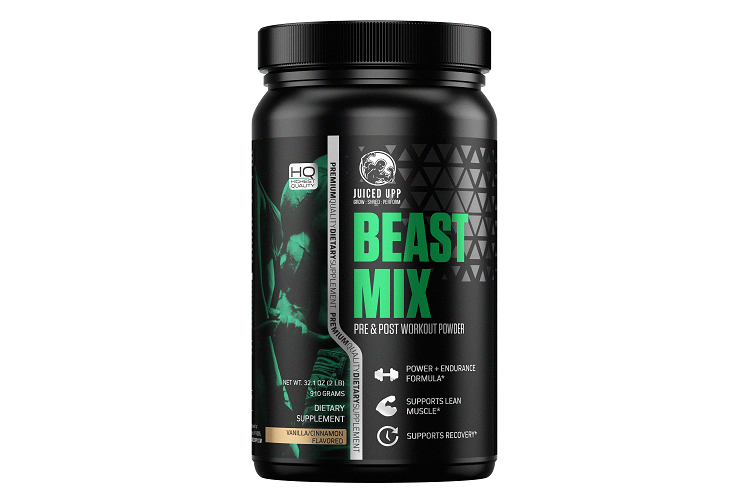
We’ve been talking about pre workout, but what about workout recovery? What about something that works both ways? JuicedUpp has their Beast Mix drink, a completely unflavored powdered drink solution that gives you the power you need without the jitters that you don't.
 CHECK LATEST PRICE
As one of the best low caffeine pre-workout formulas, you get a surge of B vitamins and powerful nutrition that you need while you exercise. However, pay close attention to the specific B vitamins, because many of them are synthetic.
It’s hard to find all-natural pre-workout formulas that are within any reasonable price range (which is why Naked Energy made the top of the list), but still, B vitamins are critical for your circulatory system, so it would have been nice to see that being the focal point of their nutrition label.
Because this is entirely unflavored, you can mix this in with just about anything you want. Orange juice, water, whatever suits your fancy that morning. Having that kind of versatility is nice since they don’t offer alternative flavors.
There’s some artificial sweetener at work here so it won’t be bitter if you mix it into something with fewer sugars than your average sports drink.
While they appear to lack B vitamin sourcing, they’ve done one massive thing that puts them on this list: the inclusion of amino acids, such as glutamine.
This is an essential building block for your body, and you’ll be better for having this included in your pre workout formula. They’ve done a great job at making this an all-around fortified blend.
You’re looking at the higher end of the pricing scale on this list, but while it’s worth it, keep your budget in mind and backtrack if another formula suits your needs and budget better than Beast Mix.
Do what’s right for you, and come back to upgrade t o Beast Mix in the future if you have to.
Quick Facts
- Flavor: Unflavored (natural flavor)
- Size: 32.1 oz
- Form: Powder supplement drink mix
Pros
- Works as a pre workout or a post-workout recovery drink
- Can be mixed with juice or beverage of choice (not just water)
- Contains amino acids such as glutamine that other formulas neglect
Cons
- Expensive formulas for the amount you get
- B vitamins are swapped out for lesser versions, which is a shame at this price
Pre Workouts FAQ
Is Pre Workout a Bad Idea?
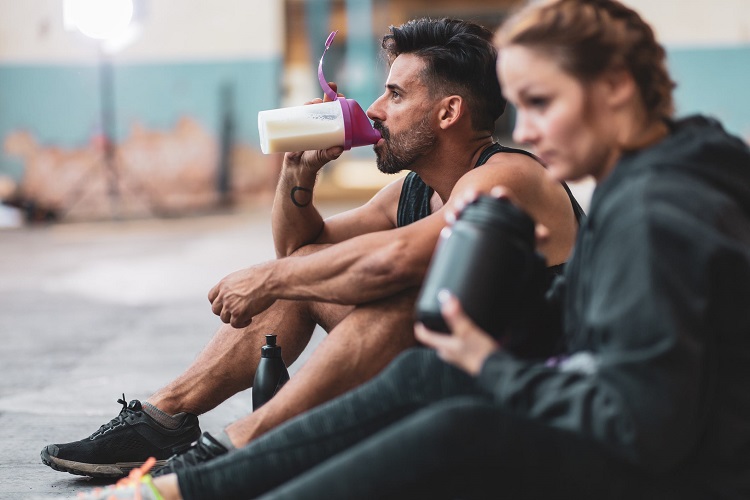
There’s nothing wrong with using pre workout for its intended purpose, provided that your healthcare provider signs off on it (nobody does this, but it’s a good idea to check your health card and see if it’s safe for you to use).
Pre workout commonly has the following ingredients in it, which is something you should be aware of before digging into a thirty-day supply:
- Caffeine: Caffeine isn’t actually bad for you, unless you have issues with elevated blood pressure or caffeine sensitivity. Caffeine contains the ability to help you focus, increase physical performance, and improve reaction time (making it much easier to focus on and expertly execute your reps).
- Creatine: While important for muscle building, creatine has a host of side effects that you should be aware of. However, it is still deemed safe for consumption and is not considered an anabolic steroid, despite some of the wishy-washy information you might see about it from time to time. Creatine is present in most pre workout formulas.
- Taurine: Taurina is something that you find naturally in meats and fish, and is an important building block for muscle. However, there’s little study on the long-term effects of taking taurine in supplements. You’ll notice this is a major ingredient in energy drinks as well. Stay up-to-date on information regarding taurine so you can know if it’s ever deemed unsafe, but as of now, it’s not linked to anything horrible.
- Citrulline: Citrulline is a non-essential amino acid (that is actually found in watermelon). It can help with muscle building because it “supercharges” the cells in your muscles, reducing fatigue levels and allowing you to go for longer. Then, there’s L-citrulline, which actually lowers your heart rate, also aiding in fatigue prevention.
Should I Take Pre Workout Everyday?
No, you should not take pre workout every day. While we are promoting brands of pre workout that we enjoy within this article, there is still a lot of scientific research into the effects of each individual ingredient and their respective doses that need to be taken into account.
Pre workout is widely used, especially in the United States, and in all that time there hasn’t been an epidemic of reports coming from pre workout users with negative side effects.
However—and this is anecdotal—you will find stories online from users who drank 2-3+ scoops of pre workout every day, and the stories are not good.
So what can we surmise? Pre workout helps, which is undoubtable when you look at the individual ingredient effects and side effects, but it should not be used excessively to the point that it harms you.
As with anything in life, use it in moderation and you should be more than okay.
Can You Get Addicted to Pre Workout?
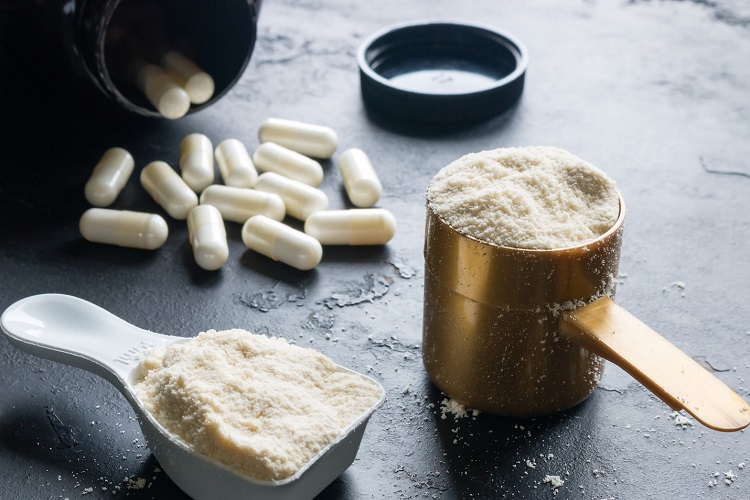
No. There are no addictive qualities to any legal pre workout formula that you can find on the shelves. That being said, you can become dependent on pre workout, which is different than addiction.
Addiction has to do with a chemical imbalance in your brain telling you that you need something, and it acts completely different from being dependent on something.
When you’re dependent on something, you don’t have that pull inside your mind telling you that you need it, but rather you notice that you don’t feel the way you want to when you don’t have it.
Impulse versus self-aware desire, not need. Pre workout formulas can make you feel stronger, more alert, faster, and basically like taking everything about yourself and kicking it up a few notches. It’s great, but it’s something that you need to use responsibly.
Can Pre Workout Make You Gain Weight?
Not in a traditional sense. Yes, pre workout can include weight gain, but it comes from different sources.
It’s not calories transitioning to stubborn belly fat or anything along those lines. Many pre workout formulas contain creatine (you’ll find that this is in more pre workout and workout recovery products than you think).
Creatine has its benefits, but it can also contribute to the following:
- Water Retention: Water buildup within the body can cause you to gain weight in the short-term, which is why you’ll read stories like this one about Henry Cavill not drinking water for three days during his filming of The Witcher series on Netflix. It was all in order to make his muscles look more defined and toned.
- Bloating: This happens directly in your gastrointestinal tract as a result of air or gas getting trapped within it. The result is an appearance of bloating or increased weight, and may also result in one or two pounds gained on the scale (air doesn’t weigh nothing, you know). Bloating is temporary as a result of your body’s inability or difficulty with digesting creatine.
- Digestive Issues: Speaking of digestive issues, it can cause more than bloating. Creatine can cause constipation, which will absolutely make you gain weight, both on the scale and visually. You should understand your digestive limitations before attempting to take pre workout formulas.
It should also be noted that creatine can aid in weight gain if you take it and then do nothing, or don’t do your full workout for the amount that you took, but again, this is relative to water retention (specifically in your muscles).
Conclusion
Having the right pre workout formula is massive.
You can go harder, go for longer, and supply your body with the necessary nutrients to build back your stamina and your muscle without enduring as much DOMS and fatigue.
But be careful to not get over-committed to it and use exercise pre workout as instructed on the package.
Now that you know what you’re going to do to up your game, what’s the next step?
Which one did you end up going with? Keep in mind that you’re not obligated to commit to one single type of pre workout; find what works for you by testing a few and tracking your results and how you feel.
Either way, these are the five best that we’ve found, and we hope that your workout is improved as a result.
Resources:
 4.5/5
4.5/5
Naked Energy
Improves focus
Vegan
non-GMO
Best Pre Workout
4.5/5