

Excess body fat can have adverse effects on your body. You probably already know this. Surprisingly, obesity figures in children and teenagers are steadily on the increase!
A 2017- 2018 statistics put the estimated percentage of teenagers in the US with obesity at 19.3%. This is approximately three times more than the number in 1970.
If your teenager has belly fat, it is best to take steps to burn those fat fast!
To give you a head start, this article will show you how to lose teenage belly fat using easy-to-implement actionable steps.
Let’s get started.
Factors Responsible for Teenage Obesity
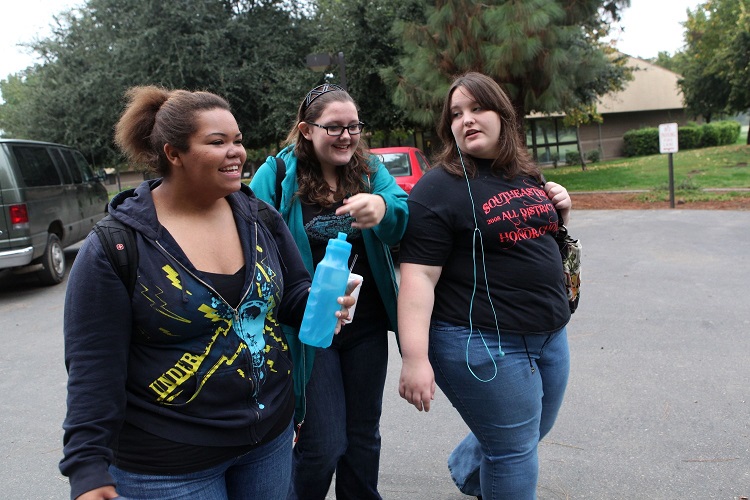
Obesity usually varies by race and ethnicity. However, some general factors can contribute to teenage obesity.
These include:
- Genetics (hereditary)
- Negative childhood experiences
- Metabolism (how well or not the body can convert food and oxygen into usable energy)
- Inadequate sleep or poor sleeping pattern
- Eating habits
- Level of physical activity
While there is absolutely nothing that can be done to change genetics, there are plenty of things that we can do about our environment, including where we live and the people around us.
Of course, teenagers can also control their physical activity level by ditching the sedentary lifestyle and moving their bodies more every day.
Also, eating habits and sleep patterns can be improved.
Encouraging teenagers to implement these simple lifestyle changes in their lives can help them accomplish and maintain a healthy weight.
Dangers of Obesity in Teenagers

Teenagers with excess body fat can suffer damages in more ways than one. They are at a higher risk of physical, social, and psychological problems.
Here are some of the dangers of being overweight, particularly in teenagers:
- Social and emotional complications: Overweight teens may likely experience bullying and teasing from their physically-fit peers.
Children who can’t handle these types of hurtful behaviors from their peers may end up losing their self-esteem. That’s usually because they can’t deal with the stigma that comes from being overweight or obese.
In worse cases, it can even lead to anxiety and depression. - Breathing problems: Too much belly fat can lead to breathing issues such as asthma. In some cases, overweight kids and teens can experience sleep apnea. This disorder causes the breath to stop and start repeatedly during sleep and can be both discomforting and serious.
- High blood pressure and high cholesterol levels: Belly fat is an open invitation to high blood pressure and high cholesterol.
Any of these health issues can increase the risk factors for cardiovascular health problems later in the future. They might even lead to stroke! - Type 2 diabetes: If teens don’t take practical steps to reduce excess belly fat, it can lead to chronic conditions, such as insulin resistance and type 2 diabetes. This happens because the body no longer uses sugar or glucose efficiently.
- Joint pain: Due to the extra (and mostly avoidable) weight and stress on various joints in the body, the chances of experiencing pain in the back, knees, and hips are higher in obese teenagers.
Other health problems that can result from having too much belly fat may include fatty liver disease, gallstones, and gastro-esophageal reflux (heartburn).
If not properly taken care of, these problems can become worse during the child’s adult years and may lead to more serious health conditions.
Thankfully, you are reading this and will learn how to lose teenage belly fat safely without putting your teenager at risk.
Teenage Belly Fat: Difficult but Not Impossible to Lose
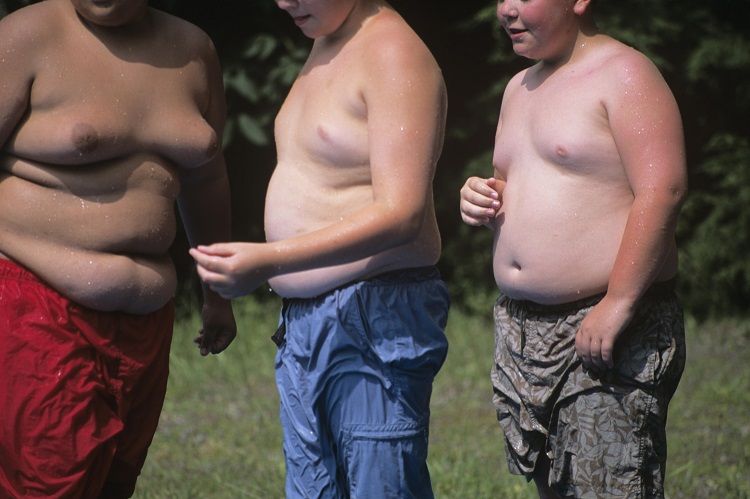
Losing fat is a long-term process. It doesn’t happen overnight!
If you crash a diet program just because you want to quickly lose weight, you might end up doing yourself more harm than good.
In many cases, people are surprised (and not in a pleasant way) at how much weight they regained after they’ve ditched the diet program. Heck, many of them even added extra weight than before!
For this reason, changing drastic lifestyle changes aren’t your best course of action. Instead, you need to introduce positive habits gradually and healthily so that you can stick with them over time.
Indeed, children and teens need more fat than adults. This is because their body is still developing.
And while you may want to reduce dietary fat because of the calorie content, doing this can negatively affect the growth rate of children since they need this essential nutrient for proper growth and development.
Instead of drastically reducing their child or teen’s fat intake, consider replacing unhealthy fat sources with healthier ones. Healthy fats fuel the body and are essential for proper brain development.
Best Ways for Teen to Lose Belly Fat
With all of that out of the way, let’s now see exactly how to lose teenage belly fat. Follow these healthy tips to take off some unhealthy teenage fat.
#1 Promote Healthy Lifestyle Changes

Make sure that your teens put away their gadgets, phones, and laptops and get enough shut-eye at night.
Getting enough sleep can help them slim down and become healthier. They will have more energy for the next day’s activities.
#2 Encourage Regular Exercises
Be Supportive and Create an Enabling Environment
While most teenagers understand the role of exercise, many of them don’t like doing it because it feels like a chore!
Here’s the trick to changing that perception.
Encourage your teen to do exercise that they absolutely like doing.
In addition to this, make sure your teen is comfortable going to the gym. If your child is self-conscious or worried about prying eyes in the gym, it is best to start working out at home.
Get the necessary training tools they will need to start exercising in the privacy of your home. Some of the simple exercises teens can do to lose belly fat include:
- Running in place
- Jump rope
- Jumping jacks
- Dance
Encourage your teen to take up cycling, brisk walking, or jogging if they are comfortable with doing exercises outdoors.
Set Achievable Goals
Help your teen to set realistic goals. It is okay if they can only do a few minutes of exercise daily. 10 minutes a day for a start is a great goal, as long as they stick to it.
They can increase this time gradually and see plenty of improvement over time. The key is to remain consistent while taking baby steps.
Involve the Entire Family
It is a good idea to be a role model to your teen by doing exercises yourself. You can even make it more fun by involving the whole family.
Go for family hikes if possible or find an activity that everyone in the home can participate in. The goal is to get your teen motivated. And one of the best ways to do that is if they see everyone joining in the activity.
#3 Improve Diet

Regardless of all your best efforts to lose teenage belly fat, it will not produce the desired results if you don’t feed your body properly.
Here’s how to use a proper diet to get rid of belly fat.
Eat at Home
The best way to give your children a proper body-nourishing diet is to eat at home. Discourage eating at restaurants or fast-food joints as much as possible.
Chose Whole and Healthy Food Options
Provide more whole grains, fruits, vegetables, and healthy fats at home. These contain essential nutrients that support weight loss a great deal. Plus, they are delicious!
The fiber and protein in foods like beans, nuts, chicken, and eggs can help teens stay full and prevent overeating.
Reduce Added Sugar
Limit soda, juices, and other sugary drinks. Also, discourage sugary cereals, candies, and cookies.
This is essential, especially when your teen is trying to lose weight. That’s because foods high in sugar are usually low in protein and fiber. Consuming foods with too much sugar can mess with your appetite and trigger a feeling of hunger.
As you probably already guess, this is a surefire way to overeat!
Besides, high sugar foods can negatively affect your child’s mood, sleep, and might even impair academic performance.
In other words, it will slow down any progress your child makes to lose belly fat.
Don’t Skip Meals
It is a misconception that skipping meals will help you lose weight and many teenagers and adults alike believe it!
In reality, skipping meals make you want to eat all through the day because you will be hungry.
Encourage your teens to eat a balanced healthy meal before leaving home instead of skipping breakfast. This will keep them full until lunchtime without craving for any in-between snack.
Conclusion
Learning how to lose teenage belly fat involves parents working with their kids as coaches and not sheriffs.
The last thing you want to do is micro-manage a teen that’s already worried about the perception of their peers.
Create an enabling environment at home if your teenager is self-conscious about exercising in the gym because of belly fat.
Remember to introduce gradual changes and stress a positive image.
Make your teenager understand that while belly fat is bad, it is okay if they are not thin. Help them to focus more on their positive qualities instead of their flaws.
Resources: