
WINNER

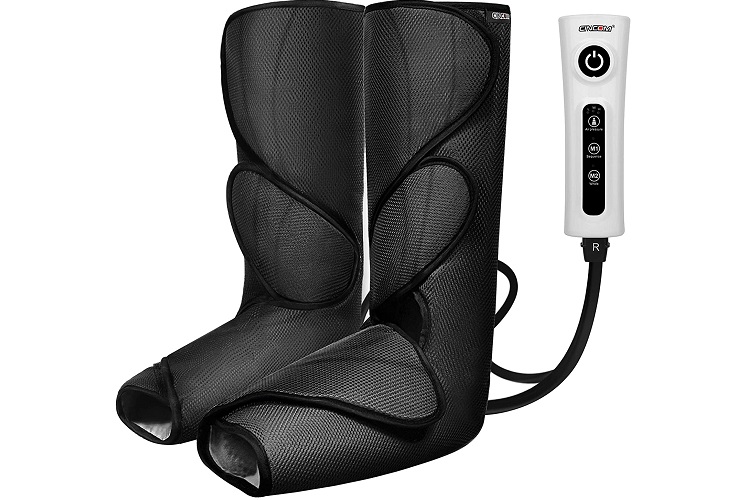
CINCOM Leg Massager
Low power consumption
Adjustable calf straps
4 seperate airbags
CHECK LATEST PRICE
RUNNER UP

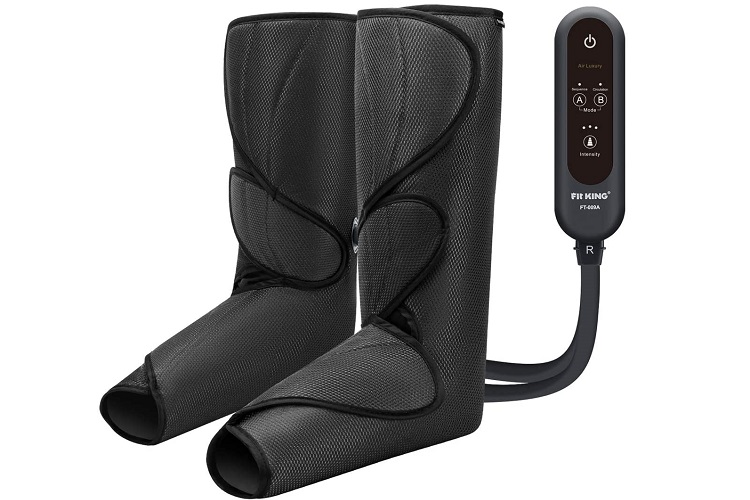
FIT KING Leg Air Massager
Lightweight
Covers calves and feet
Affordable
CHECK LATEST PRICE
BEST BUY

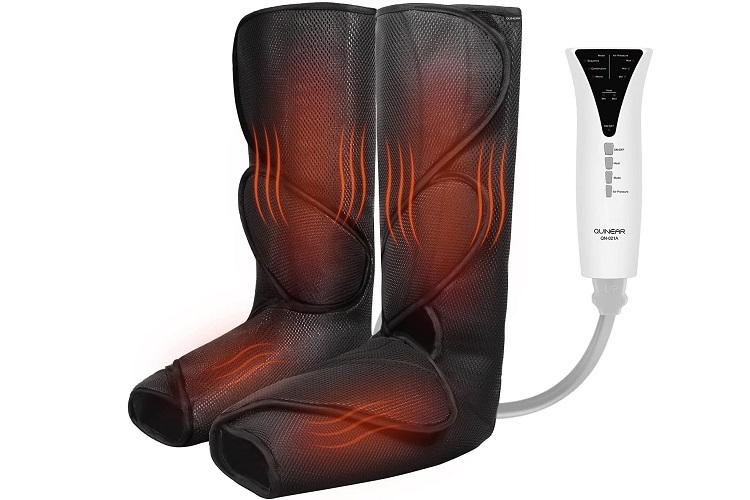
QUINEAR Leg Massager
Automatice shut-off function
Easy-to-operate
Adjustment range for calves
CHECK LATEST PRICE
	<p>Your circulatory system completely supports you while you work out, while you recover, and well, all the time!</p><p>While exercise helps with blood flow, not everyone is fortunate enough to have a perfectly functioning circulatory system solely because of hard work and tough exercise.</p><p>Circulatory problems arise in numerous people (including pro athletes), and at the end of the day, these issues need some sort of remedy.</p><p>Starting with the best leg massager machine, you can help alleviate the issues of poor circulation, and help your circulatory system work a little more efficiently throughout the day while you let diet, exercise, and medicine actually correct these issues for you.</p><p>Let’s take a look at the best foot and leg massager for circulation, and some excellent alternatives.</p>
		<h2>Best Overall: CINCOM Leg Massager
Short summary
CINCOM doesn’t just make the best leg massager on the market, they also make one of the most affordable. This leg massager uses air compression throughout both calf wraps to deliver a unique massage feeling to your tired legs that emulate real hands (as much as they can).
CHECK LATEST PRICE
Two separate cuffs feed air tubes to the controller, which has a fairly long cable to let you relax comfortably while operating your leg massager.
Once it’s on, you’re good to go—strap in for comfort, relaxation, and lean back as CINCOM does its magic. But getting the cuffs on? That can sometimes be a challenge.
If you’re very particular about pressure, it might be difficult to get these wraps on properly. If you don’t have them just right, you’ll get an error message and they won’t inflate properly. When this happens two or three times in a row, it can be frustrating.
It just takes a bit of time to know how to set up the wraps, and then you shouldn’t run into that issue too many times in the future. Short-term massages help alleviate pain after a long day of work, or if you’re battling an autoimmune disease that wreaks havoc on your circulation.
CINCOM requires very little power consumption and has four separate airbags within each cuff to change the massage mode effectively. Gentle compression starts off with pressure, and then maneuvers to melt away your aches and pains.
With adjustable straps to help you enjoy massages regardless of your calf size, CINCOM delivers a great, versatile massage that anyone can enjoy.
There have been a few reported problems around early 2020, however their customer service is keen to help you with any problems you have or replace the item entirely if it’s not up to your satisfaction.
Quick Facts
- Power Source: Corded electric
- Color: Black/gray
- Size: 12” x 9.7” x 3”
Pros
- Gentle compression massages deep muscles without feeling like a blood pressure reader
- Very low power consumption
- Four separate airbags for diverse massage types
- Adjustable calf straps for users of different sizes
Cons
- Can be difficult to use unless you get the wraps just tight enough
- Not ideal for long-term pain management
Best Leg Massager for Circulation
4.5/5
CINCOM Leg Massager
CHECK LATEST PRICERunner-Up: FIT KING Leg Air Massager
Short summary
To be one of the best leg and foot massagers for circulation, you have to offer more than just a bit of pressure here and there. FIT KING appears twice on this list because of how innovative they are, and to start, this leg massage machine covers from your calves down to your feet.
CHECK LATEST PRICE
Both get massaged at the same time when you flip the controller on, but beware: you have to have both feet and legs in the bags in order to use this device. It won’t just detect a single foot or leg and then turn on.
There are a total of ten massage techniques that can be used, though some of them did feel very similar to one another. Even if you can’t find utility for all ten, two or three should be plenty to alleviate pain and reduce swelling.
Adjust the strap size to meet your specific criteria, and let the massager do the rest.
Because of the foot inclusion area, this is ideal for long-term pain management. This takes a full circuit of your blood circulation and helps to circulate pooling blood much easier than with traditional massages.
Select an intensity depending on your pain or tingling, and enjoy the ride, even if you need to use the included size extensions found in the box.
Everything about FIT KING’s air leg massager is lightweight and easy to carry, so if you’re purchasing this for an elderly user, they’ll have no problem moving it around on their own to use at their leisure.
Quick Facts
- Power Source: Corded electric
- Color: Black
- Size: 13,8” x 10” x 4,3”
Pros
- Very lightweight for the surface area that it covers
- Covers calves and feet, dispersing relief beyond one zone
- Extension cuffs fit large calf sizes than most air massagers
- Ideal for long-term pain management
Cons
- Not much differentiation/feeling between the ten different massage techniques/modes
- Has to be used with both legs at the same time for it to work at all
Best Leg Massager for Circulation
4.5/5
CINCOM Leg Massager
CHECK LATEST PRICEAlternative: QUINEAR Leg Massager
Short summary
Getting the best massager for leg circulation and pinched nerves is important, and it’s not an easy answer for everyone, but QUINEAR does a fantastic job of making sure the focal point—massaging your legs for proper circulation—is the center point of their entire design.
CHECK LATEST PRICE
QUINEAR is one of the best leg massagers for poor circulation simply because they put time and effort into the way that their leg massager works, and the relief that it brings. It’s another leg wrap design, but there’s something specific about the way they made these wraps contour to your legs.
While you only get a total of two heating levels to choose from and three massage modes, they’re enough to get the job done properly. Turn your massage on and utilize the automatic shut-off function by just leaning back and enjoying yourself, and if you lull off to sleep, the timer will take care of the rest.
One minor detail that shouldn’t be overlooked here is the length of the cord, because far too often, these wrap-style leg massagers have cords that are too short and don’t allow you to adjust your foot massage from whatever position you want to be laying in.
From the cord length to the ergonomic, easy-to-use controller, everything lines up to ensure you have an enjoyable experience from start to finish.
The fabric can be a little difficult to clean, so you’ll want to take your time with that each time you’re done with your massage.
The increased blood flow hits you within one or two minutes of your massage, and thermal imaging shows improved circulation even after the massage is over. It’s time to take control of your comfort and pain management again.
Quick Facts
- Power Source: Corded electric
- Color: Black
- Size: 15,7” x 8” x 6,6”
Pros
- Helps melt away pain with included heating function
- Automatic shut-off function, so you can use it to lull yourself to sleep
- Wide adjustment range for wider/larger calves
- Easy-to-operate controller gets you started in no time
Cons
- Only offers three total massage modes
- Only two heating levels to choose from
Best Leg Massager for Circulation
4.5/5
CINCOM Leg Massager
CHECK LATEST PRICEAlternative: Human Touch Reflex5s
Short summary
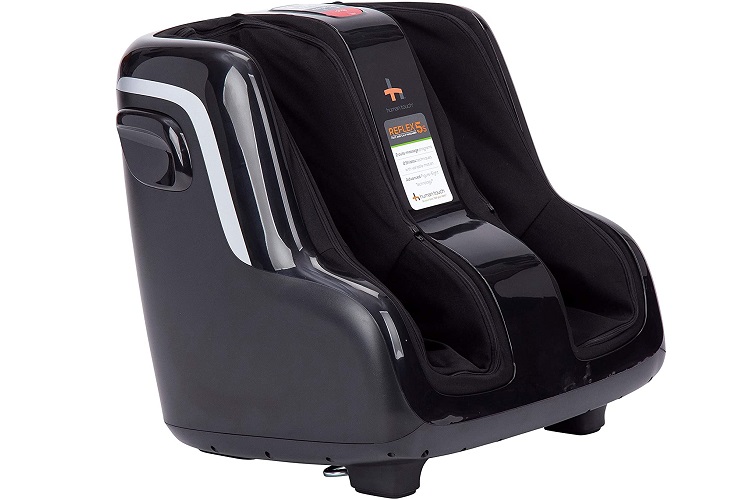
Now, this is a foot massager that doesn’t rely on wraps to do the job. It’s more expensive, but you can just slip your feet and legs into this machine and turn it on, then lean back and relax.
 CHECK LATEST PRICE
The special thing about the Reflex5s is the CirQlation technology, which helps to contour the massage to your pain level and improve circulation through your legs and feet. This helps you heal faster from sore muscles and injuries.
Beyond the medical benefits, the feet on the bottom let you lean this back to align with your feet while you lean back in an armchair. This machine can be finicky, which is why Human Touch includes an information pamphlet that tells you what to do if you’re not getting the exact experience you want (something to keep handy just in case).
The catch is that this is the most expensive foot massager on our list and that it’s actually pricier than its older model counterpart. The next-gen CirQulation technology is the cause, and while it’s completely worth the upgrade, there’s a bigger financial commitment than a simple wrap-style foot massager.
You don’t get a warming function with this foot massager, though the intensity settings and motion changes make it an enjoyable experience regardless of the temperature thanks to the wave-like technology. An investment, but a worthwhile one.
Quick Facts
- Power Source: Corded electric
- Color: Black, white
- Size: 19” x 15” x 18”
Pros
- CirQlation technology helps contour the massage to your pain
- Rollers reach underneath your feet to assist the entire circulation path
- Adjustable tilt for keeping your feet elevated
- Wave massaging pattern mimics natural blood flow feeling
Cons
- Doesn’t offer vibration function that’s available in their other (and cheaper) models
- No warming function
Best Leg Massager for Circulation
4.5/5
CINCOM Leg Massager
CHECK LATEST PRICEAlternative: FIT KING Leg and Foot Massager
Short summary
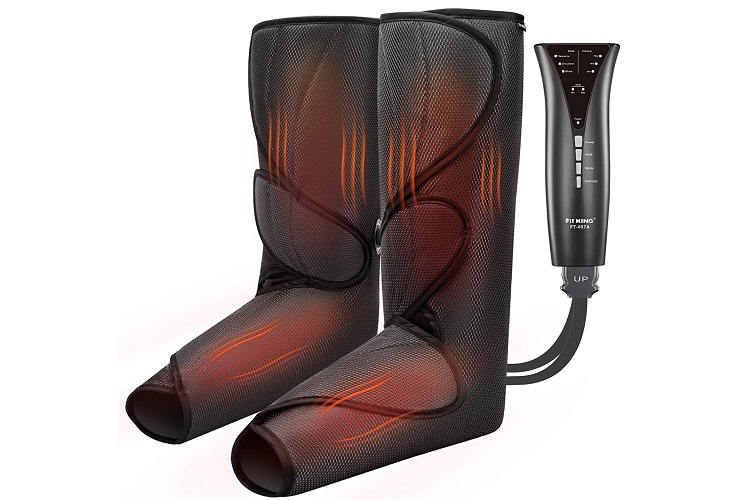
FIT KING makes one more appearance on our list for the beg leg and foot massager, but this time with built-in heating! Two separate heating levels help you relax those sore muscles in your calves and the tendons of your feet, but it’s only a minor step up from the other FIT KING model we already reviewed.
 CHECK LATEST PRICE
That being said, it’s a bit of a price hike, but for specific needs the added heat will be extremely beneficial. Your controller has a few more options to control temperature, which can be low or high, and doesn’t exceed 119°F.
Heating helps make this the best foot and leg massager for diabetic neuropathy, as well as the increased power in the airbags to really provide a great massage experience.
You don’t even have to be careful with the heating, because it has an automatic off switch after twenty minutes of operation, so you can rest and relax without worrying about leaving it on.
Controlling long-term pain is difficult, which is why the addition of internal heating is so important. Utilize the separate massage mode intensities, and regardless of how hot you like it, the interior sleeves are removable so you can clean your leg massager each day without worrying about bacterial buildup.
While the wrap can feel a little awkward at first, you’ll be able to find a groove with it before long and lean back into relaxation. You have to have both legs and feet in here in order to get anything to work, so if you end up with aching in just one leg, you’ll have to sit back for a full massage to get this to work.
Quick Facts
- Power Source: Corded electric
- Color: Black
- Size: 15,7” x 8” x 6,7”
Pros
- Larger model than other FIT KING massagers for wider calves
- Easy-to-clean removable interior layer
- Three functional circulation modes
- Overheat protection so you can fall asleep during the massage
Cons
- Heating levels vary greatly in temperature
- Expensive increase from other FIT KING model
Leg Massager for Circulation FAQ
Do Leg Massagers Help Circulation?
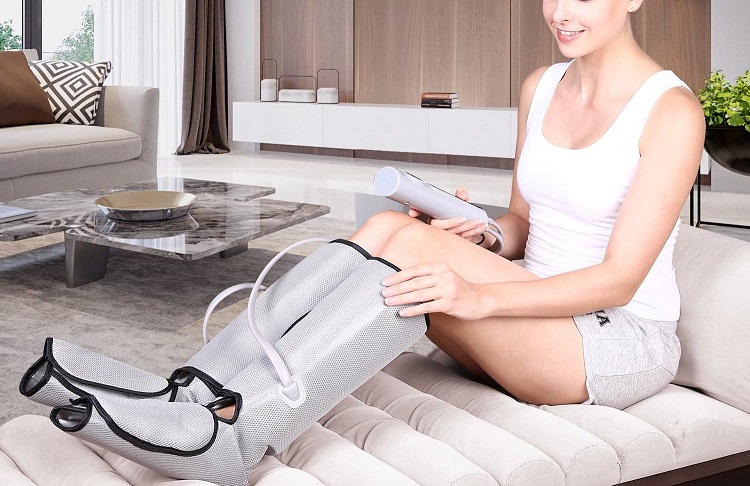
Yes, leg massagers help circulation, although they’re not a long-term permanent solution. Leg massagers can help your circulation in the short-term, which is why it’s often recommended to use one daily.
Circulation problems aren’t something you can just sit by and idly notice—they require you to act as soon as possible to prevent long-term problems from occurring. You can use a leg massager often, up to three times per day.
However, you should note any of the symptoms that we list below in the guide, because if you feel these come on as a result of using a leg massager, you should stop for the time being and let your legs return to their normal state (and probably adjust the pressure on your leg massager).
How Can I Improve the Circulation in My Legs?
There are plenty of ways to improve your cardio health and circulation (they’re one in the same).
Let’s talk about some of the quickest things you can start doing today:
- Quit Smoking: This one is the most difficult to do, but conceptually, you could drop the cigarettes today and start seeing immediate results.
- Diet Changes: Let’s face it—we could all be eating better than we are right now. Changes in your diet could directly and dramatically impact your blood pressure and blood flow.
- Manage Blood Pressure With Diet: You’ve changed your diet, but has it helped your average blood pressure? You can buy inexpensive blood pressure readers for at-home use, and it’s wise to test it often.
- Exercise (Often): Cardio workouts get the blood in your body moving, which is why they’re the best for helping your circulation. Exercise in general will help you, but cardio exercise will be one of the biggest benefits.
What Are the Signs of Poor Circulation in Your Legs?
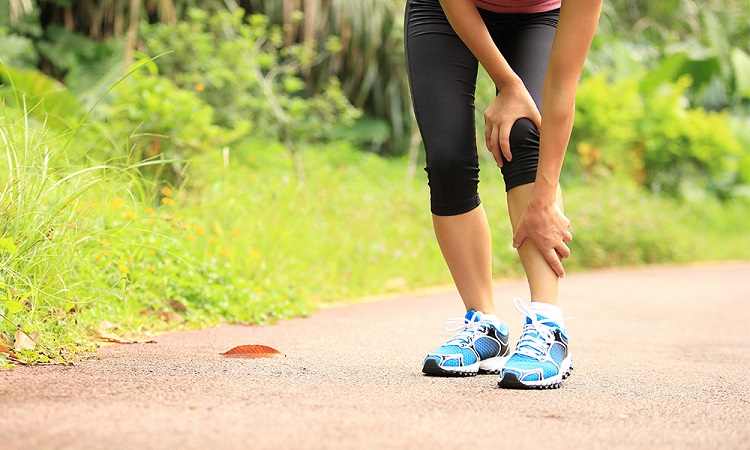
You should always pay attention to your body so you can know when things aren’t the way they’re supposed to be.
However, some issues present themselves plainly. Watch out for the following:
- Bloating of the Legs: Bloating means that something is retaining water. If you’ve intaken a lot of salt, this can happen all over, but if you haven’t, this is a symptom of a much larger problem, and it needs to be looked at straight away.
- Varicose Veins: For the most part, varicose veins are particularly cosmetic. That depends on who you are, though. For many individuals, it’s no big deal, but for some it can cause pain and circulatory issues. In some serious instances, you may be requested to undergo surgery (by your primary care physician) to remove certain varicose veins. Exercise, circulatory care, and the proper vitamins can help prevent this from happening.
- Heavy Feeling in Legs and Feet: If your legs just feel heavy, or your feet feel like they’re being weighed down, that’s because blood is pooling in your legs and feet. It’s unable to travel upward due to blood pressure or circulatory issues, either way, you should have this issue checked out by your doctor.
- Tingling and/or Numbness: Any signs of random tingling when it’s completely unprovoked is a bad sign, and could be the result of poor circulation. If your leg is entirely numb for any reason other than sitting on it the wrong way, then you could have a serious problem.
- Undeserved Cramps or Pain: If your leg hurts for no reason, and it’s clearly not on the surface of your skin, then it could be poor circulation. It doesn’t have to be a lot of pain, but that dull, aggravating pain under the skin could be a result. Random pain could be the result of a minor clot in non-critical veins, which is a warning sign for worse problems down the road.
You should either contact your healthcare professional if any of these persist, or visit urgent care depending on the severity of your pain and problems.
What Vitamin Helps With Circulation in Legs?
Vitamins do in fact play a vital role in your circulation. You have to think that your body absorbs nutrients that are then passed into your blood, and delivered to various systems throughout your body that all use the same “fuel source”.
But what about during travel? Your veins take priority, because without them, getting nutrients from A to B would be more difficult. When you run into circulatory problems, that’s when your body loses its efficiency to carry nutrients from one point to another.
Adding the right vitamins can increase your cardiovascular health, i.e. your veins (and heart).
- Vitamin B3: This is also known as niacin, which you may have noticed is an ingredient in most things you eat. It’s important for every single organ in your body to function, but for your cardiovascular system and circulatory system, it helps to remove cholesterol.
- Vitamin B6: This vitamin helps remove excessive deposits of homocysteine, which is an amino acid responsible for blood clotting. Some is good, but too much can lead to actual clots, which can cause heart attacks or a stroke.
- Vitamin B12: Works similarly to vitamin B6 in removing excess homocysteine from the bloodstream.
- Omega-3: This fatty acid can help reduce your risk of heart disease by as much as 30%. Overall, Omega-3 is one of the most important things you can consume, so it’s no wonder why it helps just about everything it touches in your body.
- Vitamin E: This vitamin is specifically helpful for your blood and the health of your brain and skin. It’s essential, found in many foods, and is one of the building blocks of a healthy circulatory system.
- Iron: Simply put, iron helps produce hemoglobin, which is essential for carrying oxygen through the blood.
All of these vitamins (and other types) are all used for your cardio health, however if another area of your body is lacking, you may end up redirecting nutrients and vitamins to that area of the body without realizing it and lessening the effects on your circulatory system.
In short, focus on full health, not solely on circulatory health, and you should do fine.
Better Workout Recovery is Just a Massage Away
Massages actually help you recover faster, and feel better when you recover.
The science is available with plenty of articles to support this fact, as well as scientific journal entries and more supplemental information to boot. Your circulatory system is imperative for all areas of exercise, so it’s time to start paying attention to it.
Your circulatory system becomes harder to manage as you age, but if you take care of yourself, enrich your diet with the nutrients we talked about earlier, and continue your workout regimen, you’re going to have one stellar circulatory system regardless of your age.
Start with these les massagers (one of the first places to get hit with improper circulation), and stop problems before they happen.
Reference Artcles:
4.5/5
CINCOM Leg Massager
Low power consumption
Adjustable calf straps
4 seperate airbags
Best Leg Massager for Circulation
4.5/5