
If you want to bulk up and look like a beast, you need to focus on your biceps. Above all else, remember that it’s about being efficient and not about raw power.
You can build your biceps with resistance, and there’s no better way to do that than with dumbbells.
Once you have the best dumbbell set out there and your home gym area is all set, you owe it to yourself to cycle through these biceps workouts and find which ones work best for you. Let’s take a look.
#1 Row Curls
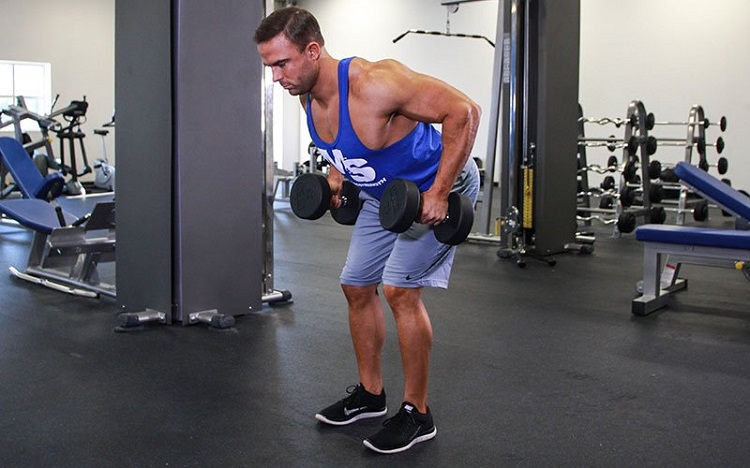
Start with both of your dumbbells on the floor by your side. Bend your knees and lean down to pick them up.
Once your hands are firmly and securely holding your dumbbells, begin rising up while you pull the dumbbells up with you.
When you knees are bent at a 45-degree angle as you rise up, you want to rotate the dumbbells by 90 degrees, putting all of that tension and stress on your biceps.
Once your dumbbells rise up, you want to stop before you completely stand up (keep those knees bent), and then descend to the beginning of the exercise. Repeat this with as little time in between row curls as possible.
#2 Preacher Curls
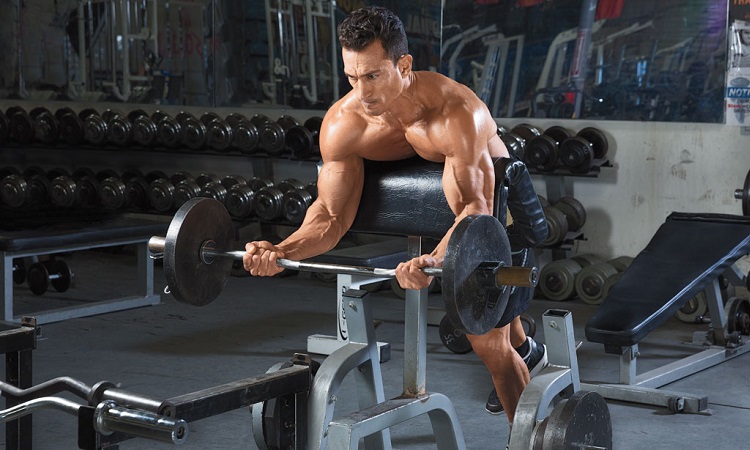
These classic curls require you to keep your arm separate from the body, meaning you are not using the momentum of your arms swings to aid in your curling at all. Lay your arm down flat against the curved seat of your bench if you have to.
You pull up on your bicep curl until you reach the apex, and then gently lower it again, building up speed with experience as you go.
It’s a very basic bicep curl, but because you aren’t relying on any other part of the body to shift momentum or stress, it’s all on your arms.
Do this on one arm at a time. Keep in mind that you’re going to aim the dumbbell towards your shoulder, do not aim it towards your chest when you curl in.
You’ll not only risk injury doing this, but you will also waste the power of your curl by dumping the momentum.
Aim for your shoulder at the very least. If you’re a more experienced lifter, pull the curl so that the target is ju8st to the outside of the shoulder (opposite of the direction you would have been pulling for your chest).
#3 Drag Curls
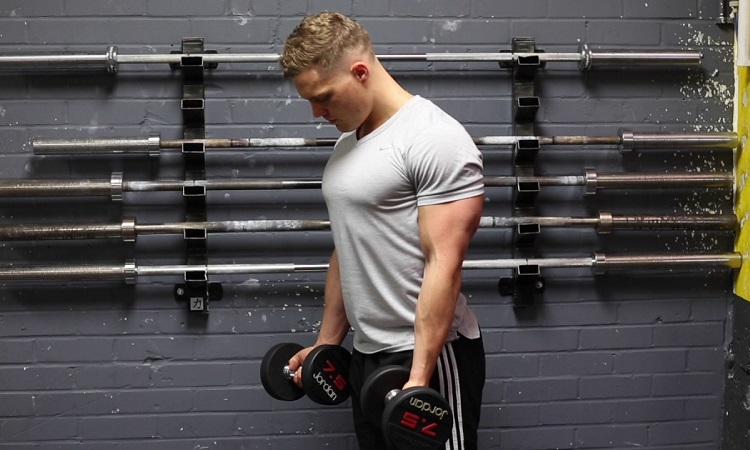
Standing straight with a dumbbell in each hand, you want to pull upward with your arm to engage your elbow. You’re not going for an immediate 180-degree curl.
When you pull up, you engage your elbow and it goes behind the body, giving you more control over your curls. Aim for the shoulder and try to curl in as tightly as possible.
The entire point of this curl is that you’re going to feel the squeeze on your biceps and in your shoulder, but that’s what we want.
You are dragging the dumbbell up your body (hence the name drag curl) instead of swinging it out in front of you. This puts more strain on your biceps and trains them just a little bit better than standard curls.
#4 Spider Curls
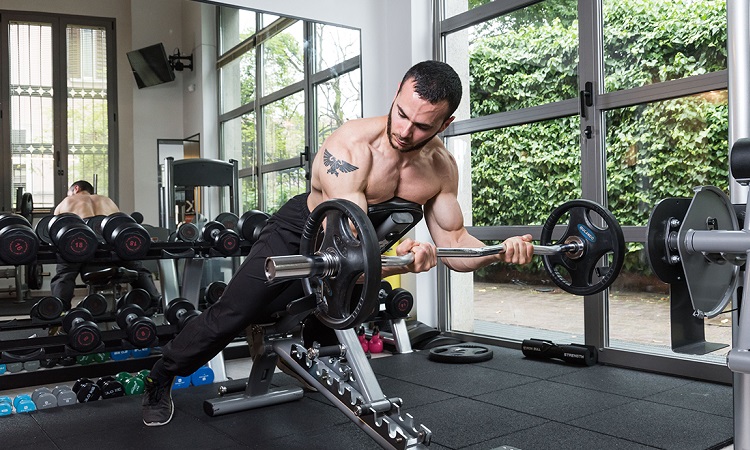
Use your bench to your advantage with this one. Lean your chest against the back seat with your feet firmly on the floor, positioning your body at a 45-degree angle.
With both dumbbells in hand, look over the bench and extend your arms outward. Curl upward without pulling your neck back, and do so until you can get the edge of the dumbbells near the edge of your forehead (be careful not to hit yourself in the face).
This unique angle helps you get intense gains and puts all the focus on the biceps, similar to preacher curls. You’re not relying on momentum shifts from the rest of the body, which maximizes your return.
#5 Robot Curls
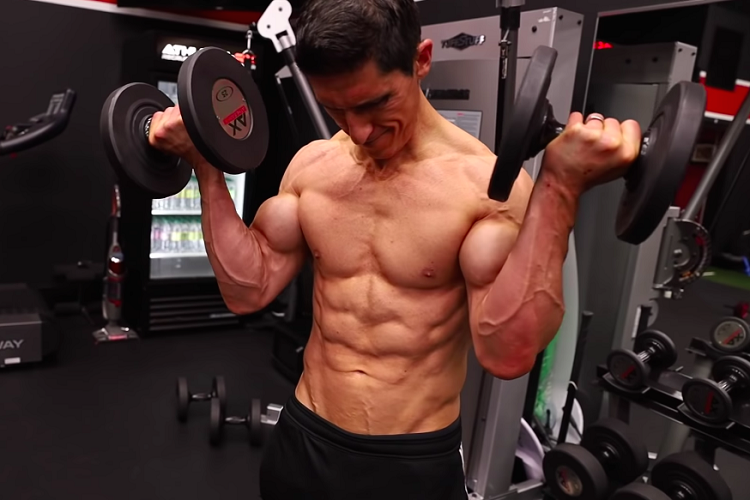
Stand with your back straight up without bending the knees. Hold both dumbbells in your hands with your thumb pointing up, and hold them right out in front of you.
Alternate from left to right. In your left hand, lower the dumbbell until you straighten your arm, and then raise it back up to above 45 degrees higher than your frontward resting position, then lower it back to that frontward resting position.
Then alternate to the other arm. One on each arm counts as a single rep, so try to see what you can do here. While this is major for the biceps, these also help your shoulders in ways that you wouldn’t believe.
#6 No Money Curls
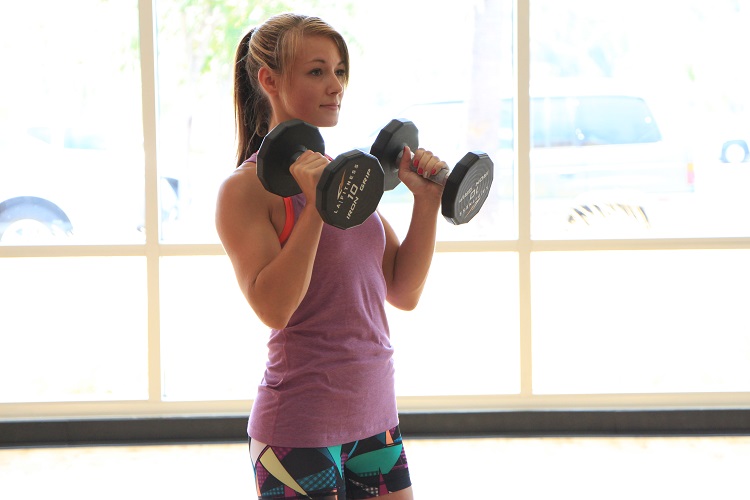
Stand up straight, because this exercise rewards and procures good posture. With one dumbbell in each hand, begin from the dumbbells in a drag position.
When you curl upwards, go for a full 180 degrees while aiming the target to the outside of your shoulders.
You pull up and outward, and at the apex of your curl, the dumbbells should be trying to go outside of your shoulders. Then lower to the beginning position and begin this again.
This is great for shoulder rotations which helps lubricate and reinforce the shoulder joints while also engaging the short head of the biceps.
#7 Cross Body Hammer Curls
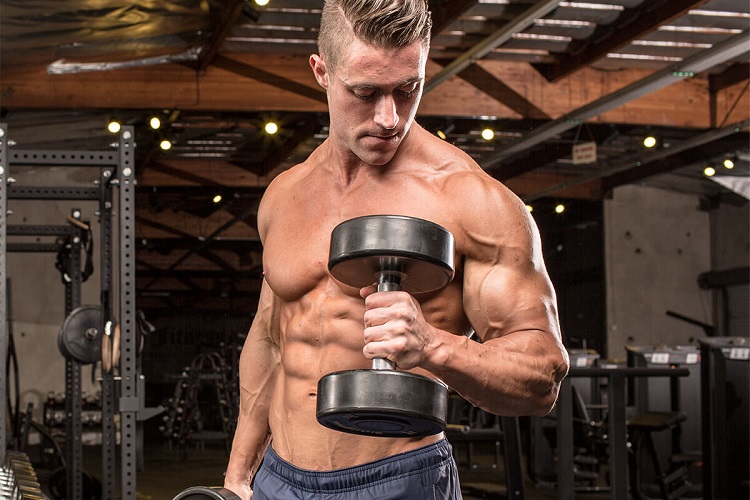
With dumbbells in each hand hanging by your side, you’re going to pull up and across your body.
The motion mimics if you, right now, just pull your left arm across the front of your body and let the bottom of your fist rest against your chest or pectoral muscles.
Do this with dumbbells to help with elbow flexibility while engaging your biceps.
This exercise takes some pressure off of the biceps and improves mobility, so while it is engaging, it’s at the end of the list because it’s not the greatest for gains (but still one that you should include and try out).
Bulkier Biceps for Solid Strength
Your biceps need special attention if you want bigger arms, a stronger look, and a much more aesthetic and athletic presence.
Now that you know what the best bicep workouts are, it’s time to put them to the test and start shredding it.
Resources: