

Having an irregular period is a sign of an imbalance in hormone production in the body (especially estrogen). When the hormonal production is not balanced, it is a sign of bad health.
One of the major causes of hormonal imbalance is weight change. When a woman's weight changes positively or negatively, the body responds to the change. The most apparent evidence of that response is noticed in alteration in the cycle of menstruation.
So, can weight loss affect your period? Yes, it can. As you'll see later on in this article, the Body Mass Index indicates how much fat is in the body. Fat is necessary for the body to produce hormones, including estrogen.
So, when there is too little or too much fat in the body, the estrogen levels can be altered, leading to irregular menstruation. One of the ultimate dreams of women is to stay in shape by losing weight.
But, sometimes, the goal may be pursued too aggressively. Or a woman may fall ill and lose too much weight. In addition, when a woman loses weight suddenly, the body can react in several ways.
That's because the amount of calories in the body determines the production rate of hormones, including those that regulate ovulation. In other words, losing weight and gaining weight may affect menstruation.
Is There a Connection Between Weight and the Menstrual Cycle?
Many women still in the childbearing stage and seriously considering losing weight often ask, "can weight loss affect your period? Yes, there is a connection between your weight and your menstrual cycle.
If you have a body mass index (BMI) below 18.5, you're underweight. If your BMI is between 25 to above 30, you're overweight. If it's above 30, you're obese. All these conditions can affect the menstrual cycle one way or the other.
But the best is for it to be expected. Weight change affects the menstrual cycle. If a woman has an irregular menstrual cycle, a weight change can restore it to normalcy since many women are underweight while some are overweight.
But first, a quick lesson on how to know your BMI.
Knowing your Body Mass Index
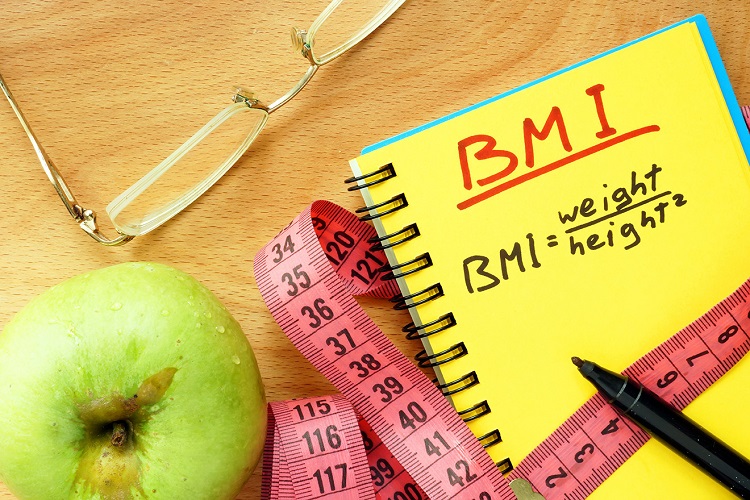
Notice that we are concerned about the BMI and not just your weight on the scale because your body mass index determines the amount of fat in your body, which is the actual substance that can affect your menstrual cycle.
Knowing your BMI is very simple. Once you know your weight and height on the scale, you're halfway there.
Next, use a calculator to find the square of your weight (i.e., multiply it by itself), and then divide the figure by your height. Then multiply whatever figure you got by 703.
For example, if your weight is 145, and you measure 62 inches, your BMI would be 145 divided by the square of 62, then multiply the answer by 703. Use a calculator, and you'll get a figure of 26.5. From above, we can see that this person is overweight, although not yet obese.
Obese begins from around 30 and above.
So, what is the impact of this on the menstrual cycle? We'll look at this in the three possible ways it may occur. First, however, we must note the BMI that defines the different weight categories.
If you're underweight, your BMI should be less than 18. If you're obese, your BMI should be well above 30. If your BMI is between 25 and 30, you're overweight but still not obese. So, how do these weight changes affect the menstrual cycle?
If you're of average weight (BMI 18.5-25), you're likely to have a regular menstrual cycle. If you lose weight for any reason, let's say an illness, your body's natural response to such a negative change would alter the hormonal balance. One of the results is a reduction in estrogen production, which controls ovulation.
Once that happens, ovulation can be skipped or become very irregular. This often occurs when the body is under enormous stress, which is how the body reacts to stabilize it.
If you're overweight or obese and decide to lose some weight, you may have been experiencing irregular menstruation already. This can also be explained. If your BMI is above 30, you have a lot of fat, which equals a lot of estrogen production.
This excess production can lead to irregular periods and cause other health problems for the body. If you decide to lose weight and the BMI falls into the normal category (28.5-25), you're likely to restore your menstrual cycle to the normal pattern.
Since we're considering what weight loss does to the menstrual cycle, we won't spend much time on what weight gain does to the menstrual cycle. But we believe you're already aware of it by now.
For example, suppose you are coming from an underweight position (BMI < 18) and gain weight that puts you in the "normal BMI" bracket. In that case, you will likely correct the irregularities that being underweight causes the menstrual cycle.
However, if you become a bit careless and move into the overweight/obese cadre, you're likely to start seeing some fluctuations in your menstrual cycle.
How Much Weight Should I Lose to Impact the Menstrual Cycle?
If you have an average weight, you shouldn't seek to reduce it. However, if you lose weight when your BMI is normal, you may see an alteration in your menstrual cycle.
Although no defined threshold of weight loss impacts the menstrual cycle, it is believed that the more you lose weight (from an average weight), the more the menstrual cycle may be affected.
However, if you're seeking to lose weight because you are overweight, you probably have irregular menstrual cycles. If your menstrual cycle is regular, and you believe you are overweight, you may still need to lose weight until your BMI is normal.
It is doubtful that your menstrual cycle would be impacted negatively if your weight drops from an overweight position and settles in a regular zone. However, you should be careful of letting your weight drop too much as it may affect your menstrual cycle.
The best way to know if you're losing too much weight for your menstrual health is to keep checking your BMI. Once your weight-loss adventure drops your BMI to 18, you are approaching dangerous territory.
Fat loss directly affects estrogen production, but if BMI is still expected, your menstrual cycle would be safe.
Should I Avoid Weight Loss?
There is no such thing as the perfect weight for women. Every woman's body is unique. And you should not model your weight after a model (pardon the pun). The idea is to achieve the perfect weight for you. If not, you may pursue a weight loss program that would affect your health negatively.
Weight loss is a noble idea. But at no point should you attempt to lose too much weight in too little time. You should not lose beyond 1-2 pounds per week, no matter how overweight you are. If you do, you could end up losing more muscle mass and water and losing less fat eventually.
Every weight loss should be controlled. Sometimes, the "ideal" image women have developed in their minds is dangerous for their health. That's because what they're pursuing is not a fitter body but a skinny body.
As explained earlier, the body requires fat for normal function. Women need more fat than men, and an average woman needs around 14-30% of body fat for a regular menstrual cycle. Most women who want to pursue fitness goals have body fat above 30%. If that's your case, you should not avoid weight loss.
However, your aim shouldn't be to burn off all the fat your body needs to keep functioning correctly. For example, Oestrogen, which controls the menstrual cycle, requires a healthy amount of fat to keep the hormonal balance. So, you should only avoid weight loss if your body mass index is normal.
However, that doesn't mean you shouldn't work out and keep your body fit with cardiovascular exercises that keep your heart functioning properly.
How to Lose Weight the Healthy Way

Now you know how your weight affects your period as a woman, and you can keep your weight in check. So, what's the best way to lose weight without affecting your health or your menstrual cycle?
The best advice we can offer is that you watch your diet. There's no better way to lose weight than to do so through your diet. In other words, take in fewer calories to create a calorie deficit. Of course, that would mean eating foods rich in nutrients and having fewer fats and calories.
Such foods include lean protein, vegetables, and whole grains. And of course, lots of water. You should, however, not go below 800 calories per day, or your body may not be healthy enough.
Another healthy way, but which can be abused, is exercise. When you exercise, you can burn off fats and calories. Unfortunately, you may burn more than necessary if you're not careful, so you should be appropriately guided. The best way is to combine exercises with a proper diet and a lifestyle that encourages a healthy body.
Each body is unique. Pursuing a weight loss program may require consulting a medical expert for guidance. For women who have passed the childbearing stage and are obese, weight loss medicines could help weight loss.
A doctor's prescription must guide this.
Conclusion
A woman's body reacts to weight loss faster than a man's body. One of such ways is in the alteration of the menstrual cycle. Losing weight is possible without affecting the menstrual cycle. All you have to do is to watch how you lose weight and manage your diet appropriately.
Resources: