

You burn calories, you lose weight. It’s a simple enough formula, but when you get into the nitty-gritty, you realize that calorie burning is different for sex, age, and a myriad of other factors.
500 calories would lead to one pound of weight lost per week solely from exercise. We know that it’s safe to lose 1-2 lbs per week (depending on our stage in a weight loss journey), but is this how you do it?
Let’s talk about that, why calories in the kitchen matter just as much, and how you can trim your waistline with calorie-burning exercises.
How Fast Can I Lose Weight if I Lose 500 Calories a Day?

One pound per week. While there isn’t an exact amount of calories in a pound (just really well-educated guesses), and we can’t know 100% how many calories one burns on a treadmill (those trackers do their best but nothing is perfectly accurate), 3,500 calories per week is a good benchmark to go for.
If you had a weight loss goal of `10 pounds, it would take roughly 2 ½ months to reach that goal strictly losing calories through exercise.
If your weight loss goal is more significant, say around 60 pounds, you’re looking at about a year’s worth of dedication or more.
But it’s not just about cardio to burn calories. There are ways to lose weight faster than just running on a treadmill.
Best Exercises to Cut 500 Calories a Day
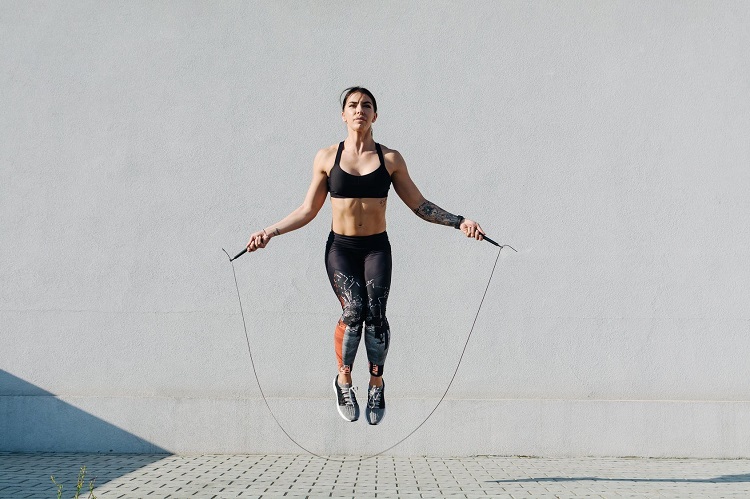
Losing calories requires hard work, and that comes in the form of exercise. To lose calories, use these intense exercises to help you out:
- Jumping Rope: This is perhaps the best way to burn calories. You can burn around 500 calories in as little as 30 minutes, while also engaging the muscles in your shoulders and arms at the same time. You can imagine that this is also a pretty big workout on the legs as well. Jumping rope isn’t always accessible depending on your starting weight, so it’s important to assess your ability and start off gradually.
- Incline Sprints: Running uphill is a lot more engaging on your body than running downhill. You have gravity against you, your muscles need to be engaged more, and overall it’s just a really good exercise. You can burn around 300 calories per 30 minutes depending on the level of intensity. This is high-impact, so take starting weight and capability into account. You don’t want to damage your joints.
- Battle Ropes: This is a fun exercise that engages your arms, and can burn an absolute load of calories. This isn’t about endurance so much as it is about HIIT, which stands for high-intensity interval training. Short bursts of high energy output like this can actually help with increasing calorie burning, which is why HIIT is one of the exercise trends that actually stuck around and is still used today. HIIT calorie-burning varies depending on reps and break times.
- Elliptical Runs: Using the elliptical is a great way to burn calories. You can average around 300-400 calories per 30 minutes at a moderate to high-intensity level. Using the elliptical has a moderate impact, so you’ll be able to engage your muscles without harming your joints too much.
- Strength Training: Your body uses glycogen when you exercise, which is stored in your muscles. Engaging your muscles is a great way to burn calories and build the body you want, so exercises like barbell lifting, dumbbell exercises, or using a smith machine are all excellent ways to increase your strength and endurance while burning up to 400 calories per hour. Thanks to the afterburn effect, you’ll also continue to lose calories after you’ve finished working out.
Can Dieting Help?
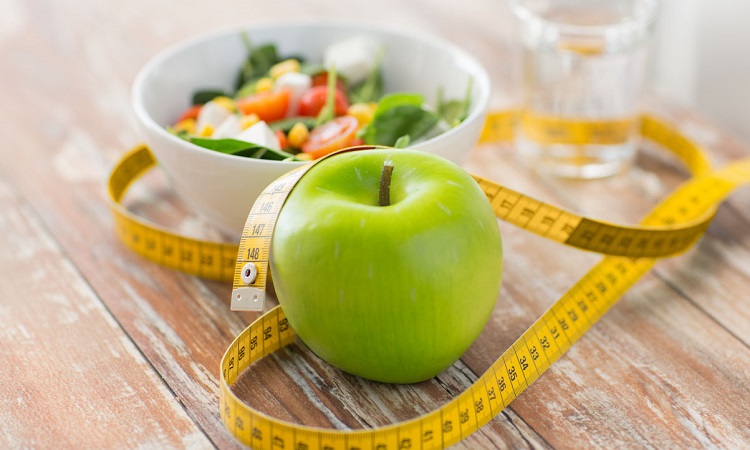
Dieting is a must. A diet doesn’t mean strictly staying below a certain calorie limit, either.
Your diet should help you incorporate more natural foods, vitamins, minerals, and nutrients to your body while also cutting down on saturated fats, sugars, and an abundance of salt.
In the beginning, a diet may not show you that you can lose 500 calories a day, but as long as you’re below your weight maintenance number, you’ll lose weight over time.
Calories are lost and gained in the kitchen. If you make smarter dietary choices, you’ll provide yourself with more energy, more hormone-building nutrition, and everything else in the background that you need to keep up a workout regiment that allows you to live a healthier life.
You should diet, but you can’t ignore calories lost during exercise. Staying at a caloric deficit with a special meal plan and exercise is absolutely doable, you just have to keep yourself in check so you don’t overdo it.
Small Things Matter

Every little change you make to your diet and exercise routine matters. Some of those include:
- Plan Your Meals: If dieting is one of your major concerns with losing 500 calories per day, plan out your meals ahead of time and stick to them. Don’t allow yourself to impulse buy at the drive-thru or the convenience store. If you already have your meals set up, you’ll reduce the number of potential distractions and impulse purchases that can happen along the way.
- Work Out Early: The earlier you work out in the morning, the more it’s going to benefit you, and the easier it is to stick to burning calories. As the day goes on, a lot of us get a “2:00 PM crash” that happens. Exercise early in the morning, eat something healthy, and you’ll feel better energy levels throughout the day (plus, the hardest part is already over).
- Find Foods You Love: Do auxiliary food shopping. Make a batch of dozen-or-so meals that you’ve never tried before, and find new foods that you'll actually enjoy while you're on this caloric burn journey. As we said, calories are lost and gained in the kitchen, so if you can find some new exciting recipes to try, it will make losing weight effortless.
- Have Appropriate Workout Gear: Yes, you can do calisthenics and just use your body weight as resistance, but that’s not always the best option for people. You should have the right running shoes, workout attire, and at-home workout machines to help you burn calories without being bored (or being inefficient).
- Exercise Buddy: To help keep you on track and lose weight, you should enlist the help of a friend, or use an app to find a workout buddy in your area. Having someone to help keep you accountable can really help the process, especially in the beginning.
Building habits takes time. On average, it can take over two months to develop a new habit, and that’s if you’re interacting with the new habit every single day.
Because it can take months to lose even 10 pounds, building these habits is critical to long-term results.
A Healthier Way to Lose Weight
Burning calories is how you lose weight, but it’s not the only thing you need to focus on.
Losing weight without gaining health in the process is pointless, so if weight loss slows down because you’re focusing on making better dietary choices along the way and it’s hard to balance the calories in the beginning, that’s okay.
Exercise, burning calories, and losing weight are all part of the same game. Just remember that everything you do towards a positive lifestyle change and greater personal care is a victory, just keep building them up and you won’t fall down.
500 calories a day is doable most of the time, just give yourself some credit.
Resources: