
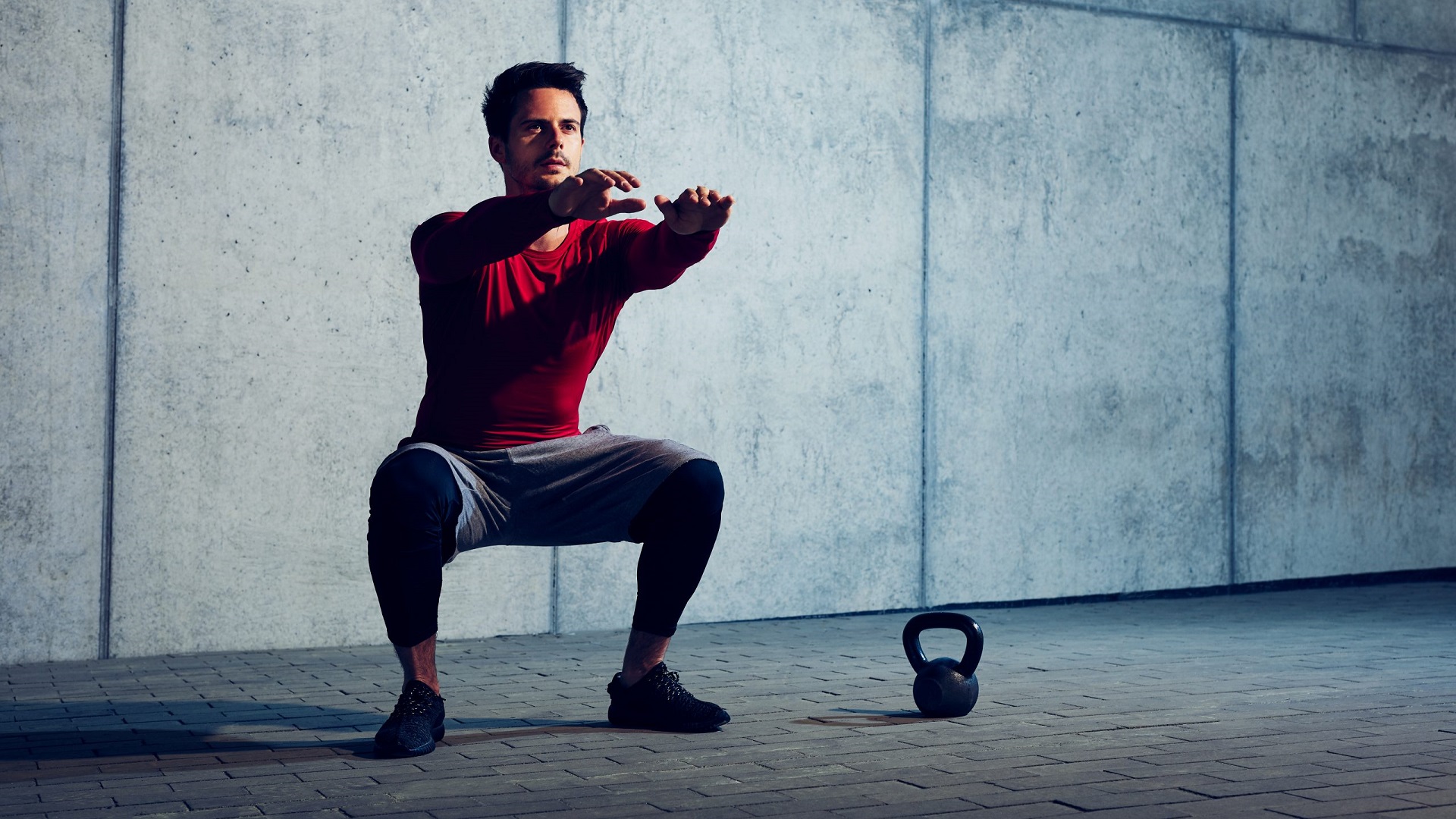
When thinking about the exercises for losing weight, squats might not be the first one that comes to mind. Most people think of hitting the treadmill and doing intense cardio sessions.
However, squats have many benefits for weight loss and calorie burning. These are some of the best lower body exercises that target all the major muscles of the lower body.
Squats are a basic exercise that anyone can do without needing special equipment. They target the muscles in their legs and can increase your overall strength, flexibility, and balance.
You can also use squats for weight loss purposes because they help burn calories. This article looks at why you should start thinking about squats and how many calories squats burn.
Are Squats Good For Weight Loss?
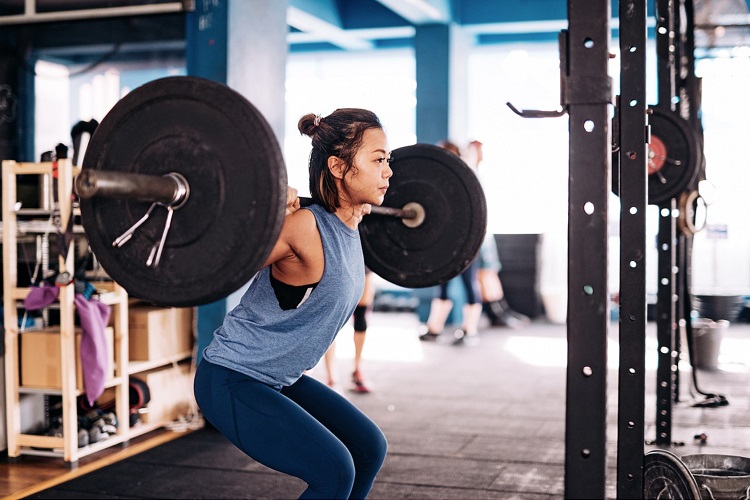
Squatting is a functional movement since you will squat while performing everyday activities like lifting a box. Experts say squats are one of the best exercises you should do regularly for weight loss and fitness.
They help engage all core muscle groups, increase stability and strength. When you put weight on the bar, squatting becomes a full-body move that engages every major muscle in your body.
If you have more muscle mass, you will have a faster metabolism and burn your calories quicker. There is no reason not to include squats in your workout program, with virtually endless benefits.
When you perform the squats correctly, they are extremely safe with a low risk of injury. You need a proper form to get the most out of the exercise and protect yourself from injury.
When squatting, the primary muscles are the gluteus maximus, hip flexors, and quadriceps. The exercise will also work the abdominal muscles, calves, hamstrings, and lower back.
The best way to perform a squat is to keep your chest up and your hips back so that your back stays neutral and aligned. When in the full squat, look down so your knee doesn't extend beyond your toes.
Ensure your knees are in the line above your ankles for efficiency. Also, put your body weight on your heels and not your toes when raising to focus on the right muscle groups.
Calories Burned When Doing Squats
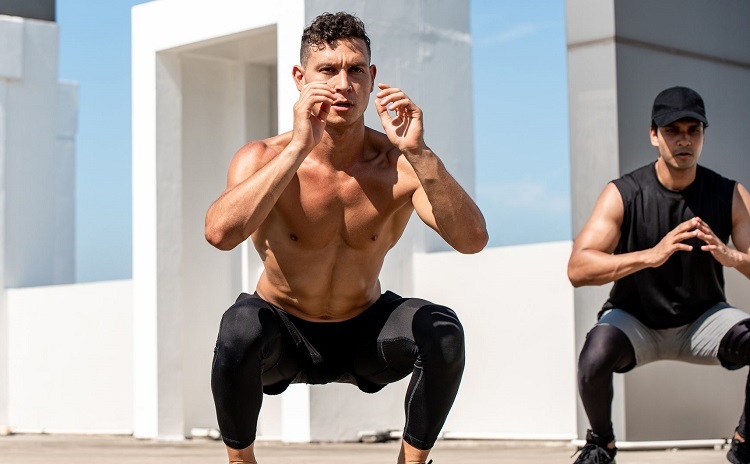
You can determine how many calories you'll burn doing squats by considering your body weight and the number of minutes you spend exercising. Your level of effort and intensity of squats also play an important role.
For example, moderate-intensity is light enough that you can keep talking while squatting. High-intensity efforts make conversation difficult since you will breathe heavily.
Squats can burn an average of 35 calories per minute. This is by far the most of all the exercises you can do. For example, running on the treadmill can burn between 5 to 9 calories in a minute, depending on your speed and level of incline.
You can burn three to six times more calories in a minute of squatting compared with a minute of cardio on the treadmill. This means they burn more calories than if you spend an hour on a treadmill.
As you add weight to your squad, the intensity of the movement increases, causing an acceleration in your metabolism as the body burns through calories to repair muscles. For example, a person weighing 165 lb and performing 5 minutes of high-intensity squats will burn 52.5 calories.
Best Squat Types For Fat Loss
Squats are effective lower-body exercises that can help you burn calories. Every squat works your muscles in different ways for maximum lower body benefits.
Start with the basic squat, and then try out the other squat variations to hit different areas and keep your workout fresh. Different squat variations serve varying purposes.
#1 The basic squat
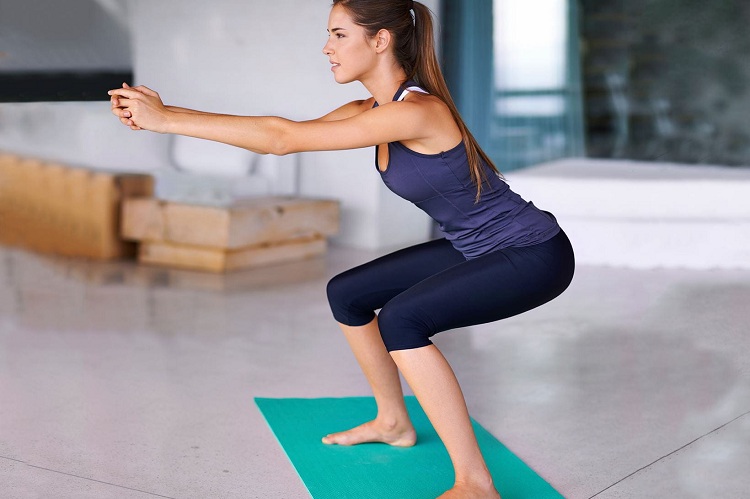
This exercise doesn't need weight or equipment, making it great for beginners and anyone with knee problems. You can perform the basic squat if you want to add more functionality to your life.
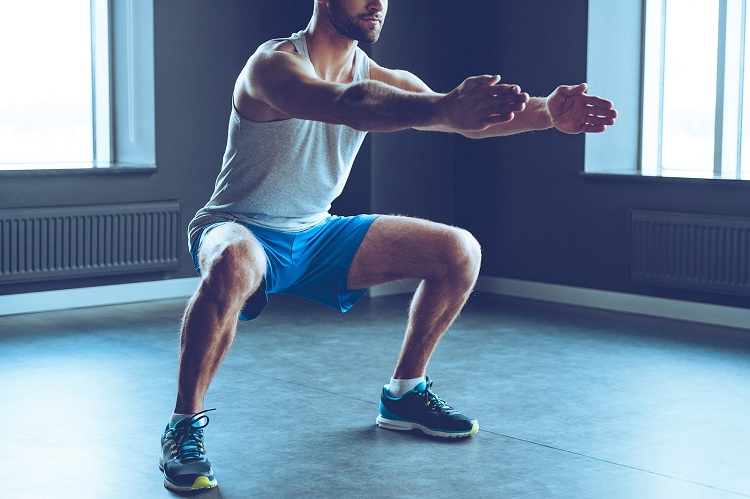
The exercise mimics our movements each time we sit down or stand up. Start by standing with your feet shoulder-width apart and your arms at your sides. Breathe in and bend your knees while pressing your hips backward.
Then bring your hands together out in front of your chest. Once your hips are lower than your knees, stop lowering yourself. Breathe out as you press your heels into the floor return to your standing position.
#2 Jump squat
This squat type targets the hamstrings, quads, glutes, and core. It helps develop explosive strength and speed for different sports. However, it's not recommended for beginners because it involves force that may tax there no I Jones.
You start in your basic squat position and squat down Low while bringing your arms behind you.
Then swoop your arms forward and jump up off the ground, ensuring your arms are over your head and your legs extended out straight. Land in your squat position and repeat to complete your set.
#3 Split squat
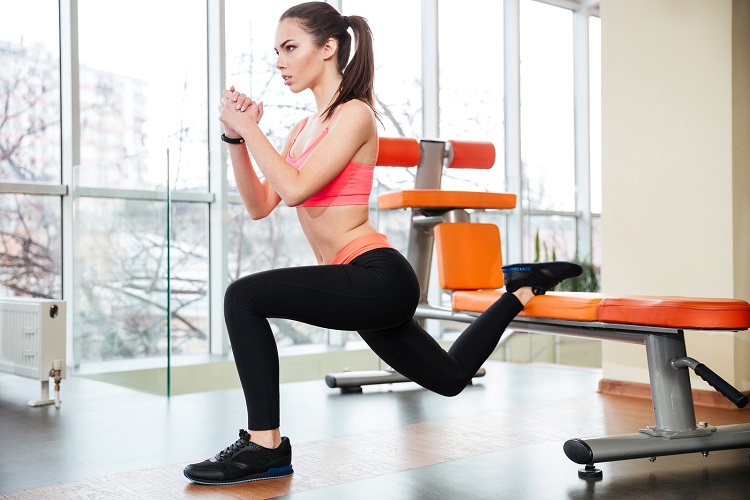
This is a single-side exercise that challenges your balance, core, and single-leg strength. You can focus on this quote energy on one leg at a time by getting into a lunge position. This variation can work with or without dumbbells.
Start with one foot in front of the other in a lunge and your arms by your sides. Inhale as you drop your back knee toward the ground and bring your arms to meet at the chest. Finally, exhale and squeeze your buttocks as you return to an original lunge position.
Repeat the steps on one leg before switching over to the other.
#4 Squat pulse
This exercise engages your muscles the entire time you're doing them. While they are not as difficult as the jump squats, you still need more energy than performing the basic squat.
Start by lowering into a normal squat and staying down low, ensuring your upper body is not leaning forward over your legs.
Raise your seat a quarter of the way up to your starting position and then pulse back down to your lowest squat. Keep pulsing for between 30 seconds and 1 minute.
#5 Squat with dumbbells
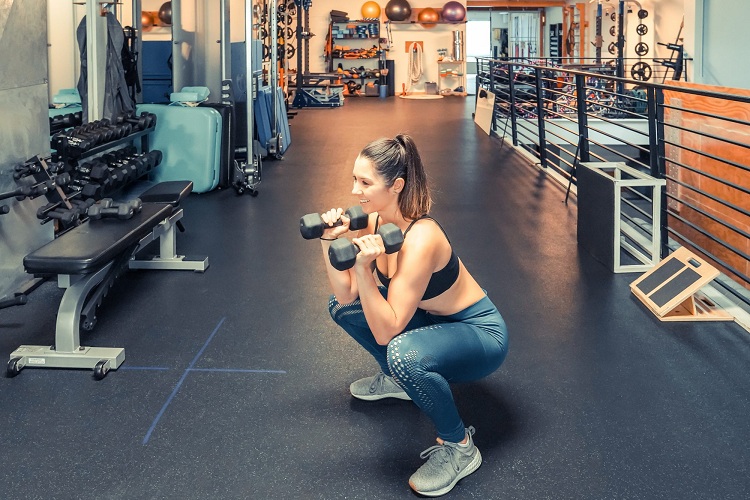
This version of the dumbbell spots involves holding a dumbbell at chest height. Holding the weight at this position builds your muscles in the glutes, thighs, core, and hips while adding a slight upper body challenge.
Adding these weights way to your squats increases your muscular strength. However, start with the lightweights if you're new to ensure sure you can easily hold the correct form.
#6 Barbell squat
Barbell squats are one of the most extreme versions of any squat exercise. They require more work from the largest muscles in the body, the glutes. The exercise involves holding a barbell as you squat.
Take the bar out of their rack with it resting on your rear shoulder muscles. Take two steps back and stand with your feet shoulder-width apart and your toes are pointing slightly out.
Descend until your hip crease is below you on your knees, and keep your weight on your heels as you drive back up.
Other Squat Benefits
Squats are one of the most functional exercises in the gym. They trigger a metabolic and hormonal response conducive to weight loss. However, there are other benefits of doing squats for a workout.
For example, learning to squat helps you be more functional inside and outside the gym. Here are some benefits of doing squats other than burning calories.
You will build more muscles and have a better body composition with squats. Body composition refers to how your body mass is compromised.
This exercise builds muscles in the lower body and contributes to higher caloric expenditure. It helps achieve a higher muscle mass and less fat mass despite your body weight.
While it's a great leg builder, squats can also boost your performance in other ways. For example, a back squat requires sufficient ankle stability to drive through the heels and core stability to maintain the weight.
It can also help achieve impressive shoulder mobility and trap activation. Doing squats can help work your thighs, glutes, calves, and seat. They are the best exercises in the gym to gain lower body strength.
The squat is a compound movement that uses all the muscle groups in your lower body, meaning you can ask current progression from the couch to a couch and see Improvement.
Your overall conditioning will improve, and you will get stronger. Improving your conditioning allows you to do more work in the same or less amount of time.
For example, doing density sets for 15 minutes and performing as many repetitions as possible improves your conditioning while you squat.
Conclusion
The benefits of doing squat go far beyond burning calories. It is an effective exercise to build muscles strength and conditioning. The exercise strengthens every muscle in your lower body, including your hamstring, quads, and calves.
You will only reap the benefits of whatever squat type you do if you perform them properly. Always press your knees outward throughout the movement, keep your core tight and your torso upright, then squeeze your glutes at the top.
However, you must maintain the right form for doing squat.
Resources: