

Some of us go to the gym to lose weight, others go to gain muscle. We all know that our lives will be better when we’re healthier and stronger, which is why we bulk up in the first place.
Gaining muscle can be tricky, especially with biological factors, access to gym equipment, and budgeting for high-calorie (but healthy) meals being roadblocks for many individuals.
But what can you do to gain muscle? What is actually required? It’s a difficult task, so let’s go over everything that you need to know and do in order to bulk up for the long haul.
Why is Muscle Gain Such a Slow Process?

The number one reason that it’s such a slow process is that you’re literally growing muscle, which is a pretty amazing thing that the body can do. You put stress on the muscles, they see micro-tears, the tears help grow new muscle, and then it heals.
Then you do it all over again and slowly add more to the top layer of your muscles. That’s an incredible process, and as such, it takes time. Muscle growth has a few variables.
For one, most people only refer to muscle growth when they want to know how much of a change they can see in the mirror (and how quickly those changes happen), ignoring the fact that muscle is below the surface and grows from the inside out, so by the time we see results in the mirror, we’ve actually grown so much more muscle than just what we’re able to see.
The process is taxing on your body, requires constant and consistent protein to achieve the desired results (hence why we talk about meal planning and supplements later on), and yet the human body is still able to do amazing things.
The process appears slower than it is because we want to see the results as soon as possible, we’re eager for that change.
You can see muscle development in as little as four weeks, or most commonly around the 10-12 week mark depending on weight loss, starting muscle mass, and how much you adhere to a strict plan.
Is it Possible to Speed Up Muscle Gain?
Yes, it absolutely is. Later on, we talk about the ways that you can do it, but for now, let’s just explain why it can be sped up in the first place. It all comes down to optimization.
You could do the same workout two days in a row, but one of those workouts is going to be less efficient than the other.
If you make sure you get the proper amount of sleep, if you make sure you eat right (and on time), and do everything that’s within your physical power to increase your muscle gain, it can grow faster.
When an actor has to bulk up for a role in just eight weeks, do you know how they do it? They do it because it’s literally their job—it’s the only thing they have to focus on, and they’re getting paid for it.
All the normal variables—work, personal time, diet, sleep, routine—it’s all completely controlled. Their world revolves around those results.
But we don’t have that luxury. We have to go to work, we have social obligations, and different things to do each day. It gets difficult to control those variables. The best thing you can do to increase muscle gain in a shorter amount of time is to get on a proper schedule.
You should focus on three things:
- Setting Your Circadian Rhythm: Your circadian rhythm is the natural clock that your body lives by. You may have seen this referred to as the sleep-wake cycle in scientific literature or articles, but they both mean the same thing. Your body is more alert at certain times of wakefulness, and less alert at other times. You need to set your circadian rhythm in a way that you naturally wake up. If you can’t do that, then you at least need to lock in a solid 7-9 hours of sleep each night. Go to bed at the same time each night down to the minute and wake up at the exact same time every morning to set this. And by the way, snooze buttons are not an option.
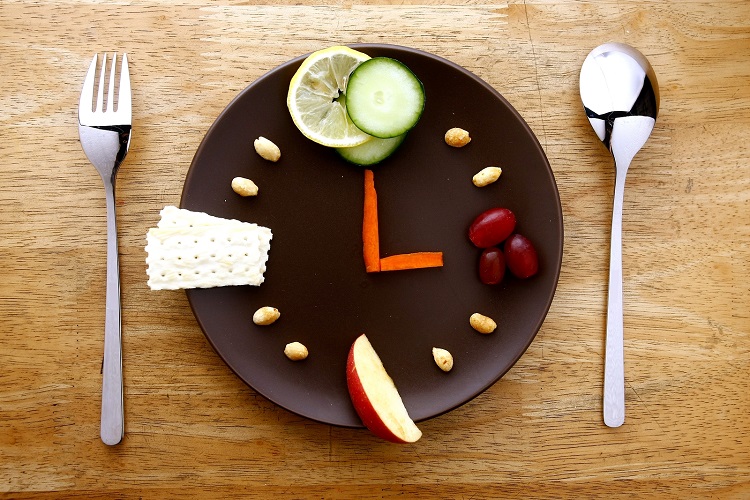
- Scheduling Your Meals: Is this fun? No. You can’t take an impromptu lunch whenever you want, and you have to make sure your food is ready to go at specific times. Meal planning and bringing your own lunch to work/out with you is the key way to get this done. You have to be consistent because your digestion will become regulated and nutrition will be dispersed throughout your body at the same time every day. This also helps you schedule when to work out.
- Letting Your Muscles Rest: We often think that more exercise equals better results and faster growth, but your muscles actually grow when you’re not exercising. Rather, post-exercise. You need to give your muscles time to restore glycogen, correct the lactic acid, and heal while the new muscle builds. Give your muscles time to heal in between intense sessions, otherwise, you risk injury, destroying your routine, and over-exerting your muscles.
Are Supplements the Solution?
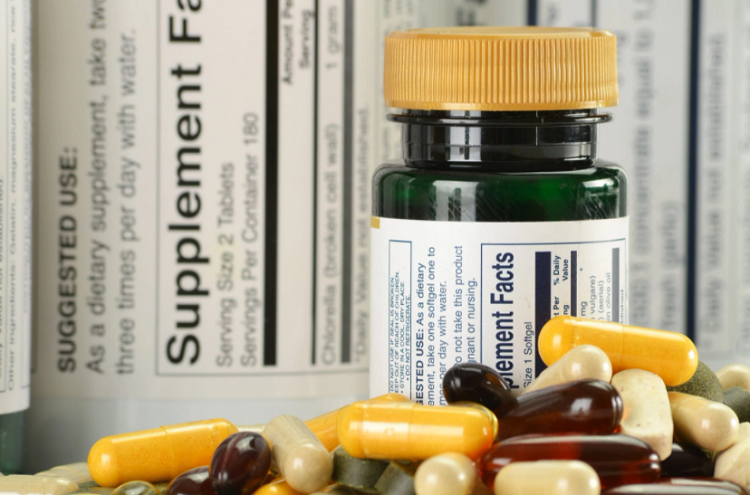
The solution? No, they are not. Are supplements helpful? Absolutely. Think about supplements as going to get your booster shot.
You want to be healthy, so you eat right, sleep well, and exercise, but that booster—in this case, supplements and vitamins for muscle mass health—are aiding your existing efforts, but aren’t doing anything on their own.
The booster is useless without the initial medicine, so to speak.
If you aren’t exercising, sleeping well, eating right, and doing everything in your power to maintain a healthy lifestyle while trying to gain muscle mass, supplements aren’t going to do anything for you.
They help with your efforts but they need that effort to cling to and help you with.
Supplements are good, although if you’re trying to limit how many supplements you’re taking, you should go with protein shakes or pre-game formulas so you aren’t taking numerous capsules.
Pre-workout formulas or post-workout/recovery shakes are excellent ways to deliver tons of qualified nutrition to your body to be used immediately through digestions without extended-release as you can experience with capsule or pill supplements.
Natural Ways to Gain Muscle Faster

If you don't want to use supplements, as many bodybuilders would prefer not to use, you can use these natural tips to gain muscle faster. It comes down to timing your meals, eating right, and not staying up too late at night.
- Small Curated Meals: You should know every gram of nutrition, every microgram of vitamins that you’ll be putting in your body for the day. This may seem a bit excessive, but it’s actually really important for tracking your nutrition and you can dose it out in small meals throughout the day. You should eat something every three hours for 5-6 meals per day, or 15-18 hours per day.
- More Fruits and Veggies: Think of this as fuel, not food. You want to put the best fuel into your body so that it can run the most efficiently, so even if the taste buds don’t agree with broccoli, zucchini, carrots, and all of the above, eat it anyway. Eventually, you will grow accustomed to the taste to the point that it’s not so unbearable anymore, and who knows? Maybe you’ll even grow to like them.
- Limit Junk: You don’t have to live a boring life. Have pizza every once in a while, have that bag of chips, but limit it to less than 10% of the total food you’re intaking. 90% or more of your food should be whole foods that benefit your body, otherwise, you’re just giving your stomach more work with less of a reward.
- Drink More Water: Yes, losing water weight helps you look more cut, but water is essential to the function of your muscles. Without it, your muscles can’t contract and regulate glycogen properly, and you’ll get more tired when you go to the gym. Drinking water is like personal energy and endurance insurance policy. The more you drink, the less likely you’ll get tired early in your workout.
- Consume Healthy Fats: You need to train your body to burn fat instead of just calories introduced into your bloodstream. By eating healthy fats that actually benefit your body, you can burn this after taking the nutrients and benefits from it, and maintain your muscle mass the entire time. Healthy fats aid in the development of key amino acids in muscle development.
Bulking Up With Time to Spare
Growing muscle requires proper nutrition, diligent exercise, and the dedication to upkeep your habits that will ultimately lead to bulking up. You know you’re capable, and we know you’re capable; now it’s time to comprise a plan and put it into action.
Use all the information you learned here to create a workout regimen that will benefit you, your lifestyle, and your current means to meet the dietary requirements and lifestyle requirements to make this goal a reality.
Resources: