
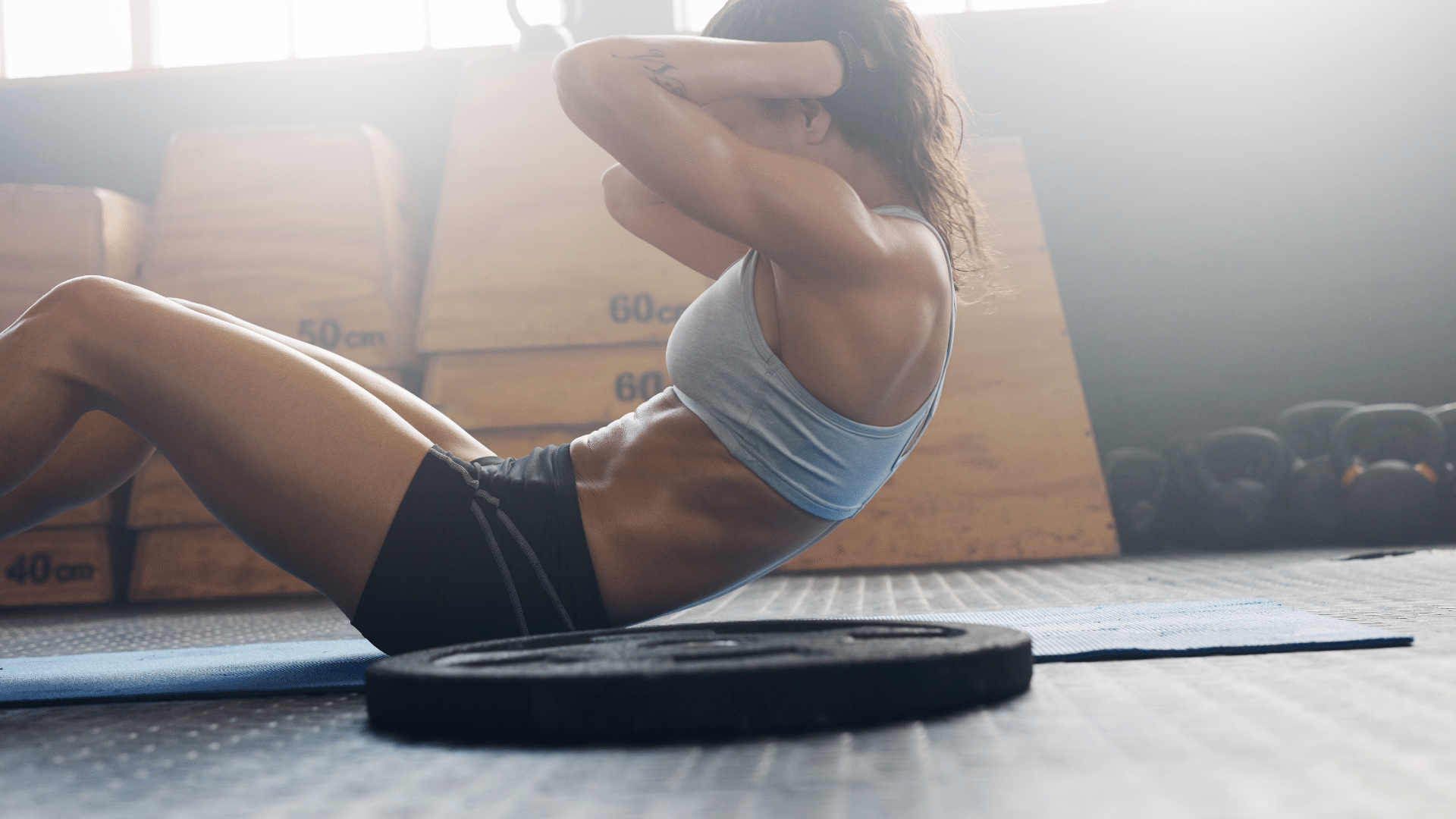
Everyone desires that perfect shape. But it's especially true for women, and complicated too!. Developing stronger muscles and better abdominals come with many fears for most women.
It is erroneously believed that the more a woman works out and develops stronger muscles, the more "manly" she becomes. And, nothing scares a woman more than losing the feminine touch in her physical appearance.
The aim is to become more attractive, not less! Women can develop fitter, healthier bodies without looking bulky or masculine. Women can get abs and still have the perfect shape they've always desired.
The greater challenge stems from the fact that women are more likely to have more belly fat than men. And, for many women, belly fat is not just due to their diet.
According to research, many women have belly fat due to hormones. A reasonable amount of body fat is also needed in a woman's body if she does not want to alter her reproductive health.
Shedding fat is an essential step towards having abs and developing bigger muscles. The more fats you lose, the easier it is to build a stronger core.
So, it's a lot more complicated for women.
Why Have Abs?
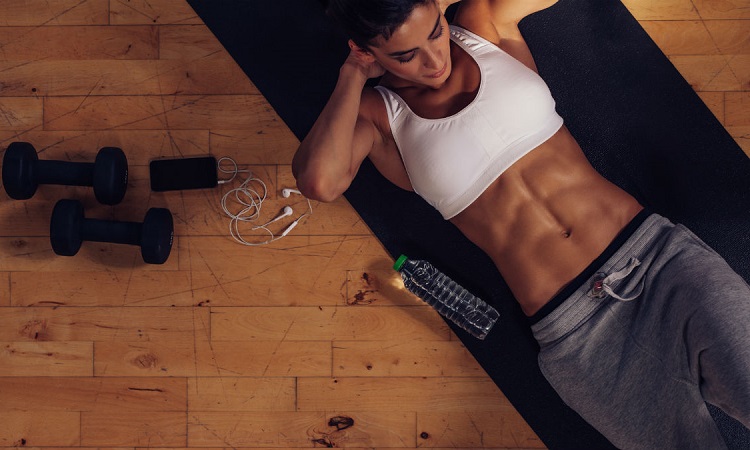
It's good enough that abs give you that fitter, smarter look. But abs are not only crucial for physique or beauty.
Besides boosting your confidence, having solid abs guarantees stability, great posture, and good health. Your movement is also greatly enhanced.
If you're still undecided about developing abs as a woman, here are some of the accruable benefits to those who have it.
This should guide you in making a choice.
- Posture: As people grow older (women especially), hidden problems suddenly surface in their bodies. Their backs keep feeling like it's bearing a heavy burden and the strain on their knees and hips begin to tell. Lots of injuries are caused by these. Do you know what can prevent them? Strong abs. Your frame is better supported, you retain a great posture, and your back is not under any pressure.
- Health: An incredible physique best serves your health. When you lose fat and develop stronger muscles, your heart will work better, and you'll live a healthier life.
- Fitness: The abs represent fitness. A fit body has removed all excess fat while developing the muscles. Such a body is not just fitter but smarter.
- Physique: Developing abs improve the physique of the body. This also means movement, appearance, and lower risks of injuries are improved.
Should Women Have Abs?
So, we now know having abs is a noble idea. But, is it that important for women? We already know that the goal of having abs is a bit more difficult for women than men due to some factors.
Men can develop their bodies to lose body fat until they have only 7% of it in their bodies.
But once a woman goes beyond losing 20% of body fat, it could become a problem, especially for their menstrual health.
Again, women have less muscle mass than men, making it even more challenging to achieve the same aim.
Women also have a wider pelvis and longer waists. The odds seem stacked against women in the journey to developing flat abs.
So, while women don't need to have abs (in some instances, having abs may even be a sign of bad health), it is a noble goal, considering the benefits.
However, there are healthy ways to achieve this without affecting the body negatively.
So, why not?
How Women Should Train to Get Abs
Because of the unique condition of their bodies, women can't just train to get abs overnight. The best workouts should address the most important muscles that stabilize the spine and pelvis.
Women should exercise to develop these core muscles, not just for "getting abs ." Naturally, as your core muscles are developed, you'll lose belly fat, which is critical in your desire for sporting abs.
Also, you need a lot of patience as the results may not be immediately visible.
The first point to note is that, as a woman, you'll need lots of physio in your desire to get abs. The aim here is to help you get rid of some excess fat, and physio is best at achieving that.
Depending on your preferences, you can choose running, swimming, cycling, or engaging in your favorite sport.
While physio is only part of the training regimen to give you abs, it plays a critical role in burning excess fat and does not necessarily develop core muscles.
We'll look at the exercises that can do that further down the article. However, you'll need between three to four hours of physio every week to hit your target. It's a lot of work, so get set to sweat!
Not all exercises would produce the necessary results. Here are some exercises that would help you get abs without negatively affecting you:
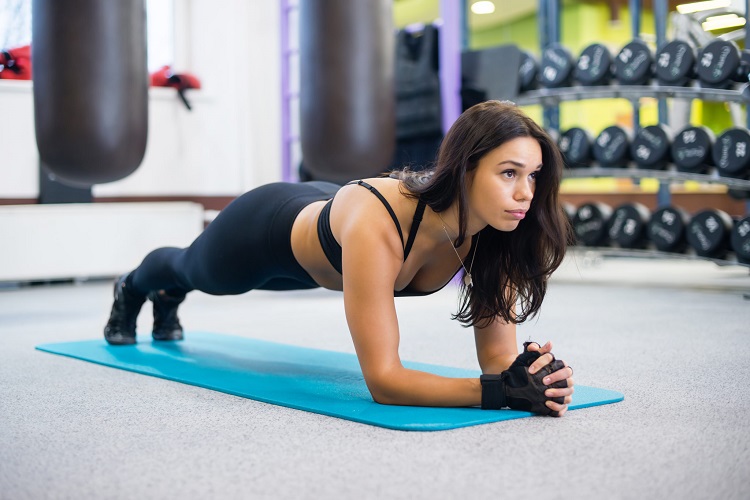
#1 Planks
This exercise strengthens the core muscles and works on making the tummy firmer. As an added advantage, the plank also straightens the back, strengthens the shoulders, and stabilizes the hips.
After a regular schedule of planks, you'll see your tummy take a flatter shape while the abs would start becoming apparent.
How to do Plank
- Kneel with your hands stretched out and your palms flat on the floor in front of you.
- Now, extend your legs backward, stretching as far as possible, with your toes flexed.
- Retain this position for 15 seconds. Your core muscles will heat up, and you'll feel the pressure on your shoulders and quads as well.
- Repeat the procedure up to ten times
#2 Crunches
Crunches are a core-strengthening exercise. There are different crunch variations, including the bicycle crunch, leg-up crunch, and straight-leg crunch.
How to do the crunches
The crunch involves lying on the back, bending the knees, keeping the feet firmly on the ground, supporting the head's weight with the hands, and then curling up slightly and returning to starting position.
You should exhale and inhale as you curl up and return to your normal position as this exercise is done. The core muscles are developed, and the body abs become more noticeable.
How to do the Bicycle crunch
- Lie on your back and put your palms at the back of the head, supporting its weight.
- Try to curl up until your knees can almost touch your chest
- At the same time, twist and let the right knee touch your left elbow. Again, twist to the other direction and let your left knee touch the right elbow.
- Repeat the procedure about ten times
How to do Straight leg crunch
- Lie down with your legs outstretched.
- Raise your legs till they are at an angle of about 45°
- Lift the upper part of your body, and at the same time, move your legs further upwards till they are at an angle of about 90°. Your hands should touch your feet
- Return slowly to the starting position.
As a woman, it is advisable to start with the normal crunch as the other variations may be quite challenging.
#3 Sit-up
Sit-ups are much like crunches in output.
How to do sit-ups
- Lie on the back and bend the knees while your feet are firmly on the ground
- Place your right palm on your left shoulder and your left palm on your right shoulder.
- Try to lift your head and shoulders. Ensure your feet are still flat and level with the ground
- Return to starting position slowly, and repeat.
#4 Lying leg raise
This is an ideal exercise to lose belly fat and strengthen the lower abdominals.
How to do the lying leg raise
- Lie down with your palms facing the floor
- Raise your legs, putting both together, until about 90°. Make sure your toes are pointing upwards.
- Lower your legs slowly, and repeat for as long as possible
What to Eat for Visible Abs
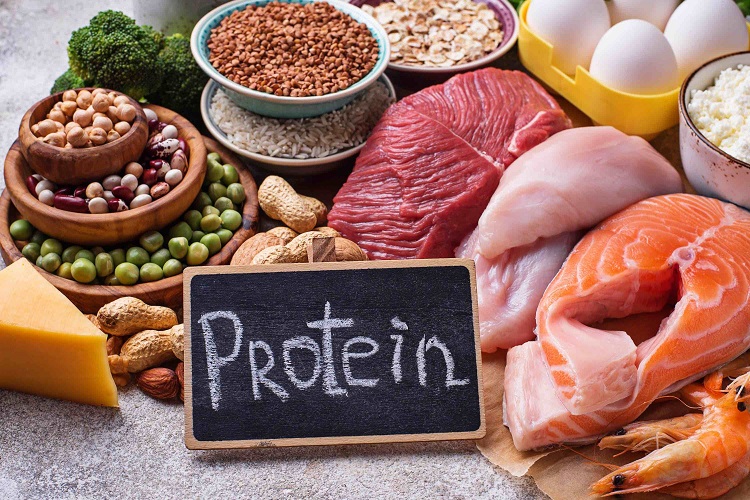
Diet is also essential in achieving the goal of visible abs for women. This is because an easy way to lose body fat is through diet. Also, if you exercise right and eat wrong, you may fall short of your target.
First, what not to eat. Do away with food and drinks with added sugars, including sodas and alcohol. Also, cut off refined grains, fried food, and processed meat.
To develop your abs, go for protein-rich foods. This helps in muscle development. Also, low-fat dairy products, nuts, and seeds would help. Fruits, unrefined grains, and legumes should also form a significant part of your diet.
Conclusion
Women should combine exercises with a healthy diet to develop abs and build fitter bodies.
While it may take some time to materialize, with a bit of patience, women can have the kind of body they've always wanted without affecting their health negatively.
Resources: