
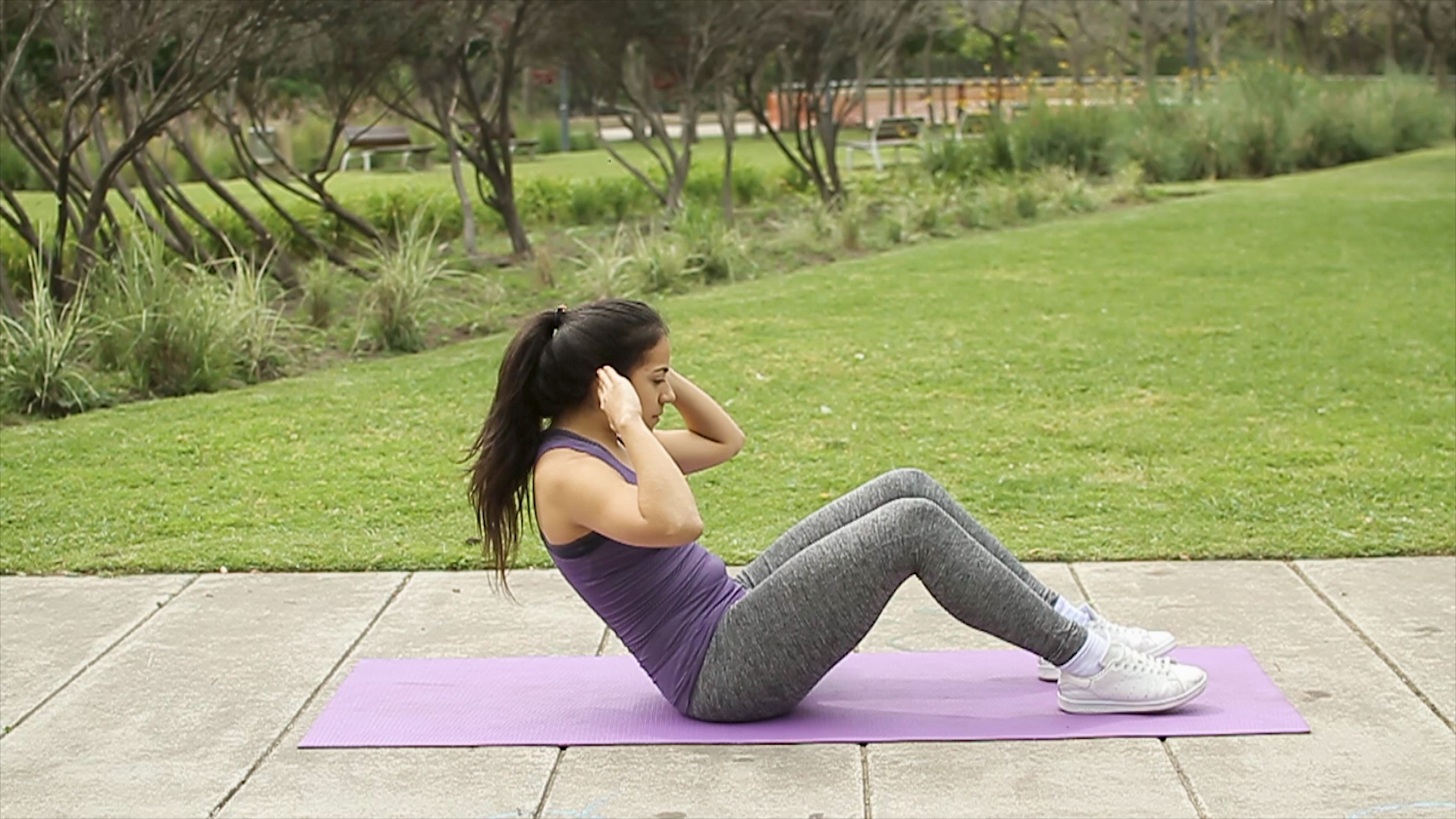
Sit-ups are controversial ab exercises, and the first move people try at the gym. They are simple, effective, and basic exercises that you can learn in gym class.
Sit-ups are popular because they work your core and help tone your abs. They also remain popular because people think they trim abdominal fat.
However, despite the apparent simplicity of performing a sit-up exercise, it requires more technical skills than people realize.
Sit-ups are a resistant exercise and not an aerobic exercise, meaning they will help tone your muscles but don't burn many calories or fat to cause significant weight loss.
This doesn't mean you don't need sit-ups to lose weight or build muscles. It just means losing fat is a little more complicated than doing thousands of sit-ups a day.
This article looks at how to do the sit-up exercises and their benefits. You would learn how to incorporate these exercises for the best results.
Benefits of Doing Sit-Ups
They are many benefits of performing sit-up exercises. They can benefit your fitness in a big way if done correctly by targeting the abdominal muscles.
You also don't need any equipment to perform sit-ups. Here are some of the biggest benefits of the exercise.
#1 Core strength
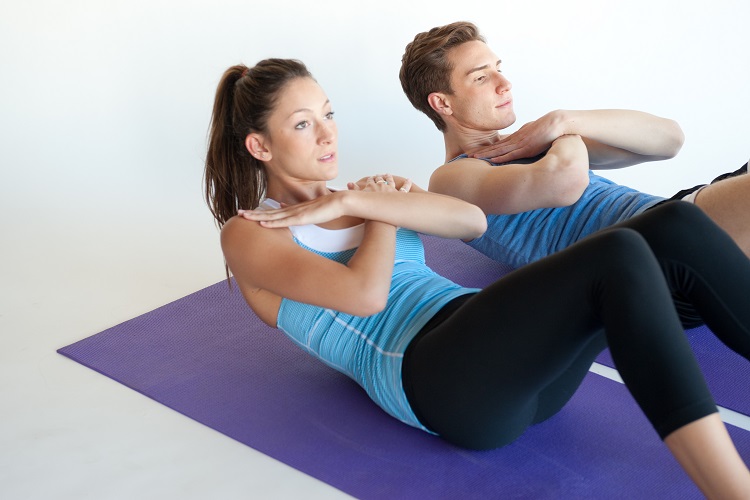
Perhaps the most obvious benefit of performing sit-ups is to increase core strength. The exercise works all your abdominal muscles to build a strong core.
Individuals who can do sit-ups correctly are less likely to suffer from muscle loss because of aging.
This is because the move helps strengthen and develop the core muscle. Over time, a stronger core can also improve your posture and reduce the risk of back injuries.
#2 Core stability and control
Besides building strength in your core, sit-ups also improve the stability and control of your core. They develop a core to resist workplace injuries, improve posture, and enhance athletic performance.
Performing this move makes it easier to align your hips, spine, and shoulders. It helps build muscular endurance that improves your stamina and allows you to push anybody for longer periods.
#3 Hip flexor strength
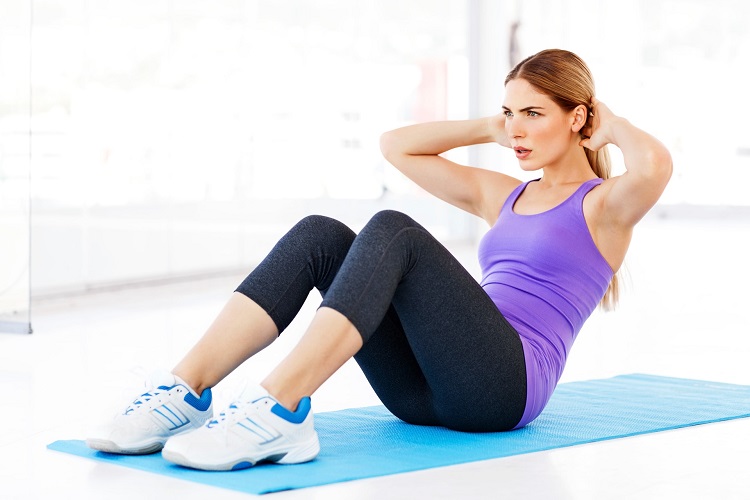
Performing sit-up exercises increase the strength of your hip flexor. The hip flexors are key muscles in stabilizing the pelvis and spine. They allow you to move on exercise without risk of injuring the back.
The hip flexor comprises all muscles responsible for bending your hips Iand lifting your legs from the hips. You can strengthen the hip flexor with sit-ups for better athletic performance.
#4 Spinal flexibility
You can use the sit-up exercise to move every vertebra in your spine.
The move helps loosen your spine and hip muscles, making your back and hip muscles flexible. Having a flexible spine improves circulation and reduces stress.
However, you can only achieve spinal flexibility if you do the sit-ups correctly.
With time and practice, these exercises can improve spinal flexibility and mobility, which can reduce back pain by building a strong core,
#5 Improve your posture
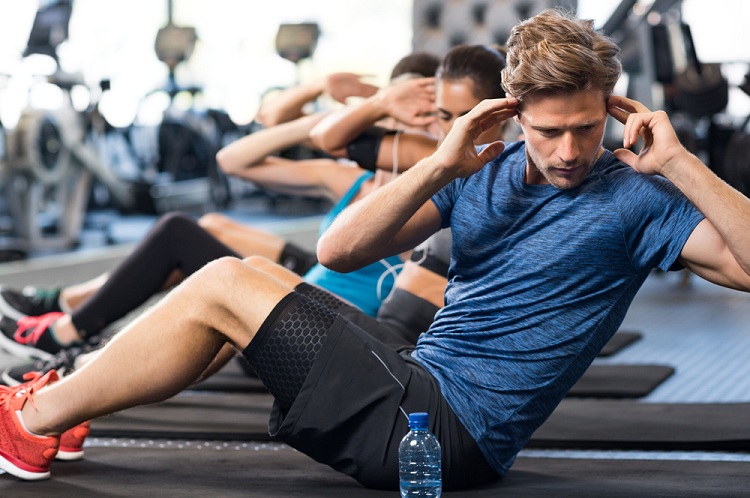
Performing sit-ups strengthen your core which pays dividends in your day-to-day life. For example, a strong core developed from regular sit-ups will help you have a healthy posture.
This is because good posture requires that you balance muscles around your spine to provide equal support to your body. A good posture is also attractive and necessary for good health. Its benefits include:
- Increased energy.
- Reduced lower back pain.
- Better neck and shoulder health.
- Fewer tension headaches.
#6 Burn calories
This routine can also burn a considerable number of calories and engage with several muscle groups at once. This makes it an excellent choice to lose weight and build muscle for people with limited time on their hands.
However, you can rely on these resistance exercises as the sole solution to burning calories or losing belly fat. You may look at cardiovascular workouts to help you lose fat.
The Proper Way to Do a Sit-Up
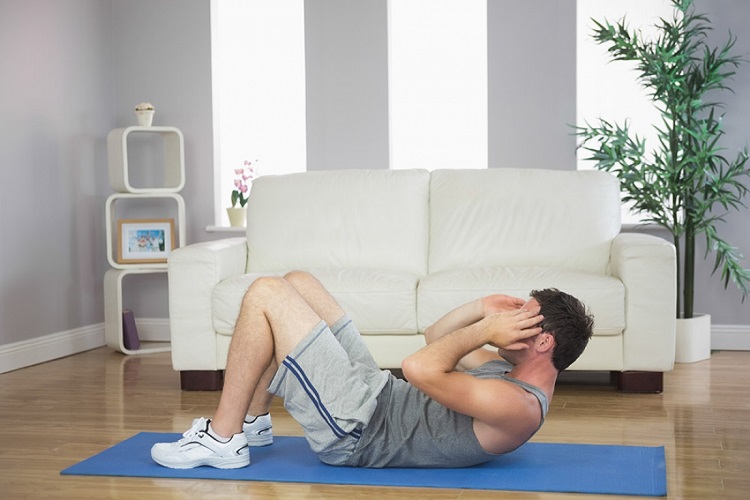
Doing sit-up exercises can increase the strength in your core and the flexibility of your spine. However, do it correctly to enjoy the benefits. These exercises are popular because they are pretty simple to perform.
Find a flat surface with plenty of space to perform the move. Here is the correct way of doing sit-ups for effective results.
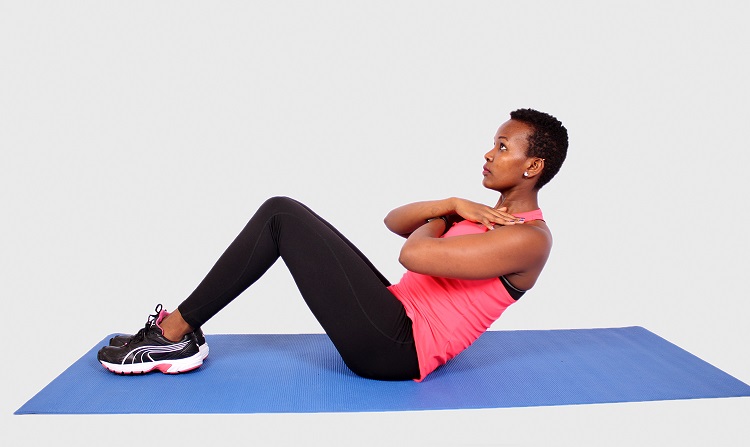
- Lie on the floor face up and bend your knees, so your feet are flat on the floor. Ensure your feet at firmly planted on the floor. You can tuck them under a bench or brace, or you have to or ask your partner to hold your feet.
- Cross your arms over your chest with your left hand resting on your right shoulder and vice versa. It's not a good idea to place your hands behind your head as it can cause you to pull on your neck.
- Engage your core muscles to lift the upper body while keeping your back straight. You do this by taking a deep breath and trying to draw your belly button to your spine. Engage your core before starting your first repetition.
- Use your ab muscles to lift your back off of the ground. Make sure your tailbone and hips remain static and pressed into the floor until you're fully upright. You can consider lifting one vertebra at a time instead of lifting your entire back all at once.
While sit-ups are similar to crunches in lying face up and knees bent.
A sit-up will involve lifting your shoulders and back up, while a crunch requires lifting your shoulders and head up. This move engages more muscle groups in one exercise to make your workout more efficient.
Before performing the sit-up exercises, invest in a quality yoga mat or an AB mat that adds comfort and protects your tailbone. It's not comfortable to perform sit-ups on hard services such as hardwood floors because they can bruise your tailbone and affect your lumbar spine.
Doing the sit-ups on soft surfaces provides more comfort and prevents bruising.
The ideal way to perform sit-ups is without a foot brace. If you're not strong enough to do the exercise without a brace, work on strengthening your core until they are strong enough before attempting sit-ups.
Dangers of Improper Form
Sit-ups help loosen your spine and hip muscles, making your hip muscles flexible. However, you can only enjoy the benefits of sit-up exercises if you do them the right way.
Traditional sit-ups work the hip flexors more than the abs. If you struggle with the move, try other exercises that work the core, such as side plank or glute bridge to stretch the hip flexors,
You won't enjoy the benefits of sit-up exercises if you do them incorrectly. An improper form can lead to injury or pain. This move puts more pressure on your lower back and is pretty difficult for beginners to maintain excellent form.
For example, you must hunch forward while performing sit-ups, which is not good for your spine. Hunching forward puts a lot of pressure on your spine and can sometimes lead to a back injury.
This move might place stress and strain on your spine. Some people experience pain in their lower back when they do sit-ups. It often happens when you perform the moves incorrectly or when the hard ground pushes into your spine while you do the sit-ups.
You're not supposed to do too many sit-ups without working out the opposite muscles as it can over tighten your hip flexor muscles. It could cause the hip flexor muscles to pull on your back muscles and cause pain.
Aim to do at least 12 repetitions of 10 different exercises alongside the sit-ups to target different muscles in your body.
If you can perform sit-ups without rounding your lower back, it is the best exercise to develop your core muscles. Doing thousands of sit-ups a day will not give you instant abs.
You can only see your abs if you check your diet while exercising. Once you've lost weight, you can start seeing the abs. You can start incorporating the sit-up exercise is right at the end of your workout.
How Many Sit-Ups Should You Do?
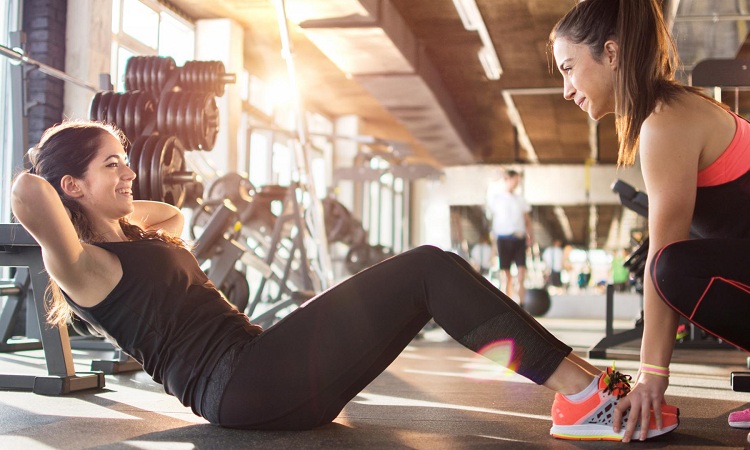
You can perform sit-up exercises every day if you practice good form and don't overdo the repetition count.
However, most fitness professionals recommend limiting the workout to two and four times per week. Combining three sets of sit-ups and 25 of 50 repetitions can build and sculpt your abs.
Sit-ups are resistant exercises that use your body weight to provide resistance and build strength in your core muscles. Hence, there is no magic number of sit-ups to achieve the abs.
You might come up with your own Fitness goal and try to reach your target.
Conclusion
Sit-ups are fundamental exercises that work towards core strength and more toned physic.
Doing the move will strengthen your muscles, improve your posture, help with the core and upper body strength, and burn calories.
The best thing about performing sit-up exercises is that you can place them anywhere in your workout regimen.
Working these exercises into your routine is one of the most reliable ways to improve your physical health without disrupting your daily itinerary.
Resources: