
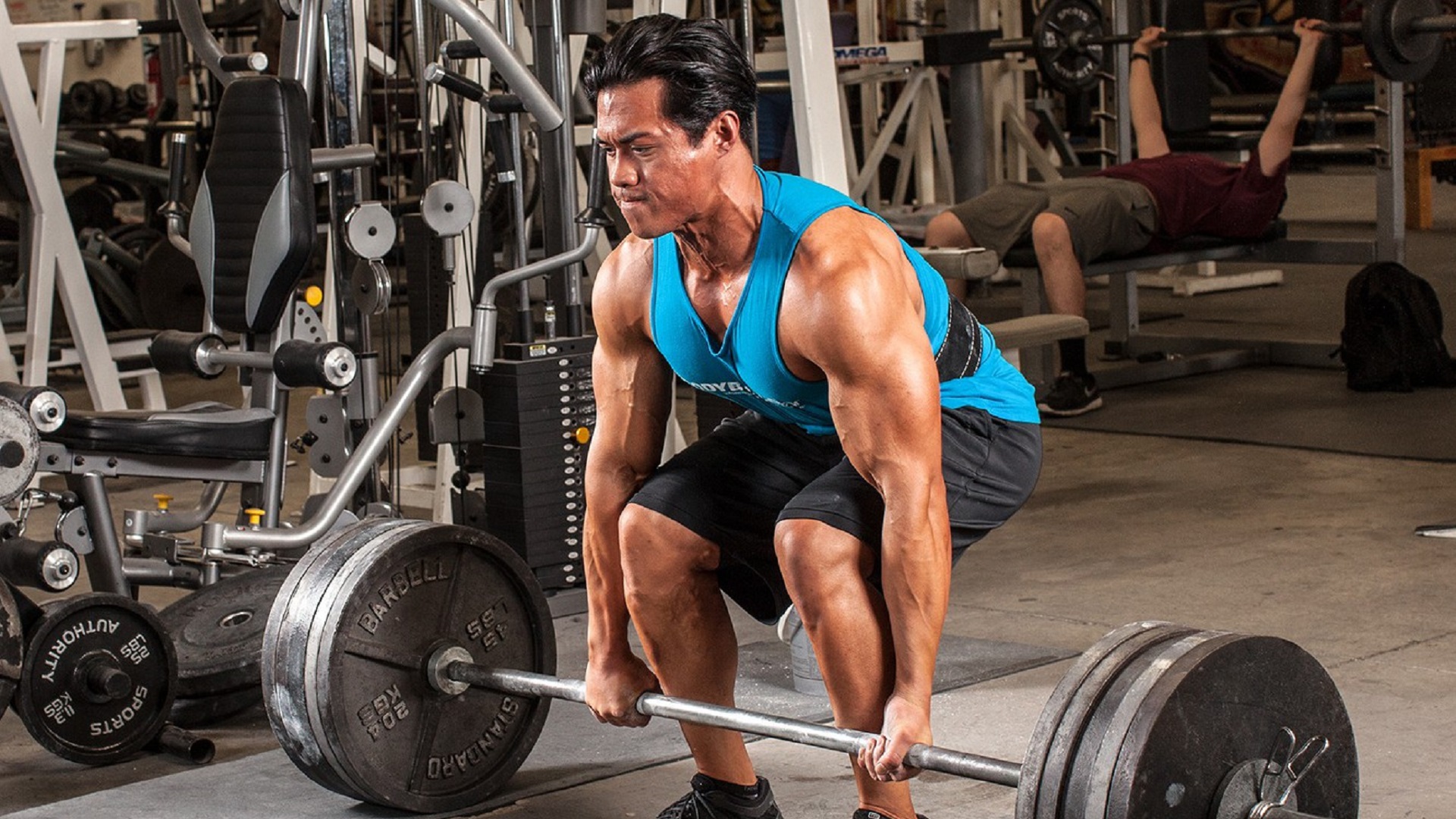
There’s a reason personal trainers, strength coaches, and fitness enthusiasts all prefer the deadlift.
It is one of the most incredibly powerful exercises in existence!
Plus, it is very productive.
You should consider building your workout routine around this exercise if you looking to get all the benefits of doing the deadlift.
But exactly what are deadlifts good for and what are the benefits? Why is it so popular? And are there any hazards to be aware of when doing the exercise?
Read on because we serve up answers to these and more questions in this article.
Deadlift: The All-Time Best Strength Training Exercise
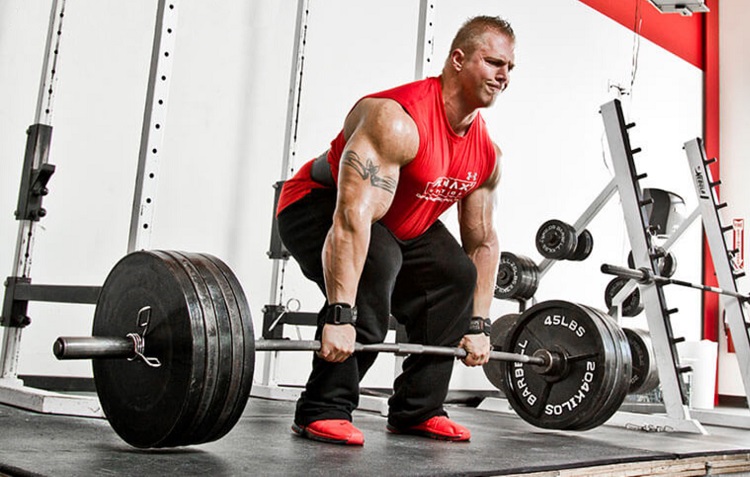
The deadlift is the king of all exercises as far as the weightlifting realm is concerned. It is one of the best all-round compound exercises by a long shot!
You can use the exercise whether you are simply looking to lose weight or get a total body transformation.
Compared to other exercises, deadlift helps you build a muscular and shredded physique quicker.
This is why the deadlift is popular with both men and women!
Although it is a demanding exercise, deadlifts are still the go-to strength training workout for many people because of these other reasons:
Promotes Good Posture
When done correctly, the deadlift promotes good posture.
If your work or lifestyle involves spending long hours sitting, you need to understand the damage this can cause to your posture.
Your hips are almost always in the flex position from sitting for too long.
That’s not all.
Your shoulders will roll forward or fall into a protracted position and your spine will remain rounded longer than necessary.
Did we mention headaches, back pains, neck pains, and knee injuries? Well, these are likely results of sitting for a long period.
Deadlifts help prevent the negative effects of sitting for long periods. It does this by helping your body to bind your hips, shoulders, and spine together into one integrated system.
All of this helps the muscles to develop postural integrity so your body can fight off the negative effect of sitting for a long time as well as reinforce the body against gravity and load.
Engages Several Muscle Groups Simultaneously
Most strength and fitness instructors consider the deadlift as a good exercise because it engages more than one muscle group at a time.
In fact, it works nearly every muscle in the body!
This makes it an excellent exercise if you don’t have much time to spend lifting weights. Doing deadlift alone will task plenty of muscles so you can optimize your time in the gym.
Useful Everyday Applications
Unlike other exercises, deadlifts can be used in everyday life because it offers functional applications.
When you bend to tie your shoelaces, lift a heavy shopping bag, or pick up a heavy box from the ground, you are using the deadlift pattern.
Many people with bad backs tend to shy away from the deadlift, perhaps because they feel intimidated by the weight.
But if you have a weak, sore, or bad back, that’s the more reason you should do the deadlift instead of avoiding it.
The exercise will improve your back so you can function better in your everyday activity.
Benefits of Doing Deadlift
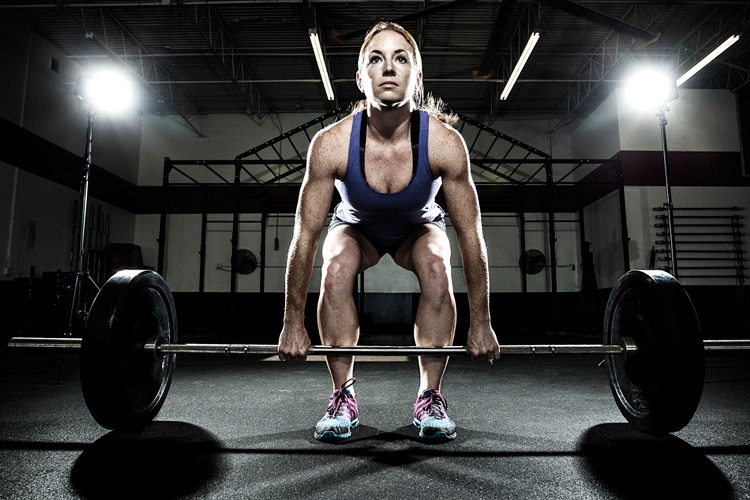
So, what are deadlifts good for, exactly?
As already mentioned, deadlifts work multiple muscles at the same time.
This includes:
- The posterior chain
- The glutes
- Deep stabilizers of the spine
- Hamstrings
- The rhomboid and trapezius muscles
- Deltoids, biceps, quadriceps, and forearms
In addition to these, doing deadlifts regularly can provide the following benefits:
Deadlift Helps You Burn More Fat
If you are looking to burn more body fat, doing cardio alone or cardio with dieting won’t cut the deal. You need to take things a step further.
Consider lifting weights and resistance training. This will help you burn more fat and lose weight quicker.
It Improves Your Grip Strength
Your grip strength is bound to improve significantly if you do deadlifts regularly, and it’s not hard to see why.
The only thing connecting you to the bar is your fingers!
Your fingers and arms have no option but to work really hard to maintain your grip. As a result, your grip strength will naturally improve.
Deadlift Increases Your Cardiovascular Ability
It might sound counterintuitive to learn that a strength training exercise can offer the benefits of increased cardio.
But the deadlift isn’t the “king of exercises” for nothing!
Doing 8 to 10 or more reps of deadlifts is more than enough to increase your cardiovascular ability. Little wonder people tend to find somewhere to sit after doing so many reps!
Can Prevent Injury
Yes, you read that right!
Most people associate deadlifts with a high risk of injury. But this only happens when you perform the lift with poor form.
On the contrary, perfecting your technique and doing the deadlift correctly can strengthen the muscles around vital tendons and ligaments.
This provides additional support to your lower back, hamstring, and other joints. In turn, it reduces your chances of getting injured when you perform exercises.
Doing a Deadlift Wrong Can Be Dangerous
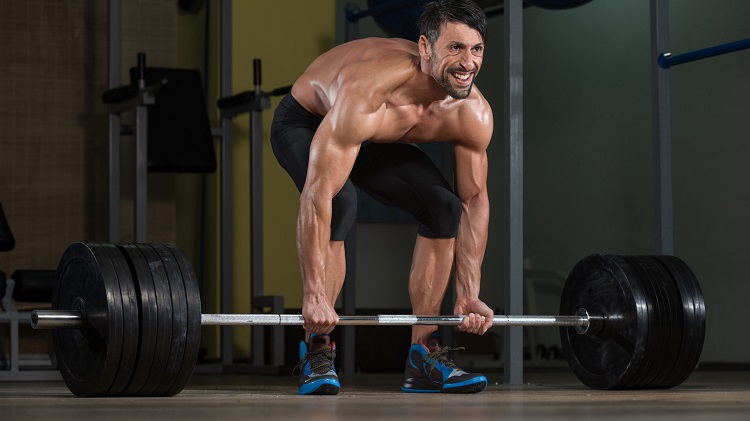
On the surface, deadlift seems like a pretty straightforward move.
Simply bend to hold a free-weight bar with enough weight, lift the bar in front of you until you are standing with your arms extended.
Sounds simple enough, right?
Well, don’t be fooled by its seeming simplicity. The deadlift is a demanding weight training exercise that tests raw physical and mental strength!
Although you can opt to deadlift weights you’re comfortable with, it is more beneficial to add weights that are feasible for you to deadlift.
And that’s what makes it quite challenging!
The move requires the coordination of different muscle groups.
Of course, you may not be consciously aware of all the muscles that come into play when you do a deadlift, but you need proper technique and complete focus to perform the move correctly.
Doing a deadlift with poor form can put too much strain on your lower back. This can result in injury.
What’s more, you want to avoid shrugging your shoulder at the top of the movement because that can cause some problems.
Here’s why.
When you shrug your shoulders, it prevents your rotator cuffs from stabilizing your shoulders as you do the deadlift.
Yes, you guessed right! The likely result is injury.
Using the Correct Form and Technique
Getting the right form is essential to doing the deadlift safely and correctly. Remember the following when you want to perform the deadlift.
- Make sure to keep your shoulders back and your head up.
- Always bend your knees when grabbing the barbell before attempting to lift it.
- To protect your spine, ensure your abs is tight and your back is straight when you lift the weight off the floor.
- Hold the weight hanging in front of your thighs when you are in the top position. Keep your core and shoulders tight, and your knees and hips straight.
- Avoid excessive weight. Instead, start with a lighter weight to warm up for about 5 or 6 reps, and then do 3 heavy sets of 3 to 5 reps each.
How to Do the Deadlift Correctly
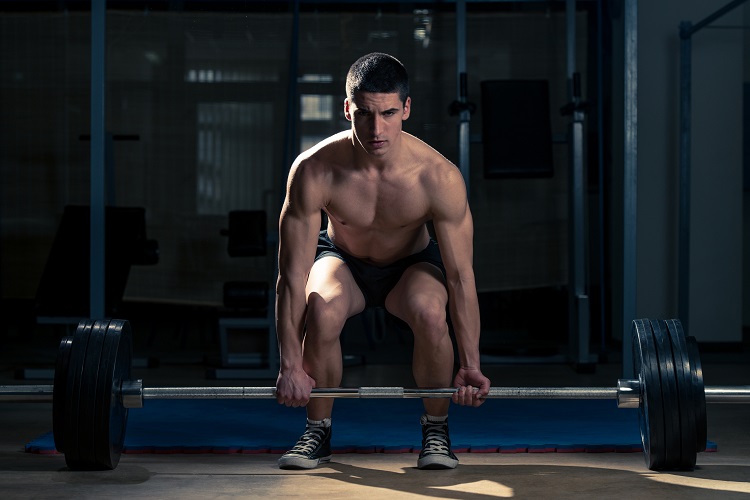
Most people who ask the question, “What are deadlifts good for?” are either looking to start using the exercise or simply want to know its benefits.
To get the full benefits of this incredible strength training exercise, you need to know how to do it right.
Want to get better at deadlifts?
Pay attention to the following tips on how to perform deadlifts correctly.
Center the Bar
For you to get better at deadlifts, you must keep the bar close to your body, making sure it only travels the shortest distance possible.
This is because even the slightest diversion of the bar would mean lifting less weight.
Don’t make the mistake of putting the bar in the middle of the forefoot. Instead, always place it in the middle of the whole foot.
Use a Firm Grip
Improving your grip makes you stronger. If you don’t have enough grip, your nervous system won’t provide the required amount of muscles to lift the weight.
Using lifting straps on a previously failed lift is a good way to know if your grip is weak or whether the failed attempt was due to trying to lift a weight that’s beyond your overall strength.
With this, you can improve on your grip and may even realize that you didn’t fail to lift a weight because of a lack of strength.
Build a Big Squat
Another way of getting better at deadlift is to work on your squat.
A good squat will help you get better faster because it gives you balance, stability, and enough strength. With this, you are more likely to move impressively in other major lifts.
Get Low to the Floor
Deadlifts are better when done barefooted. That’s because you can use all your force without reservation and you are more stable without worrying about weight shifts.
Conclusion
There you have it – the benefits of the deadlift and how to do it properly to avoid injury.
For best results, don’t overdo deadlifts. Remember to start with lighter weights and increase them as you progress.
Resources: