
If you’re like most people, you are mostly performing muscle strengthening exercises that require pulling or pushing against resistance.
While these exercises are great and offer plenty of benefits, they require you to move various joints in your body.
That means they might not be your best bet if you have an injury or certain health conditions.
That’s where isometric exercises shine! But what is an isometric exercise, really?
We’ll kick things off by defining what isometric means so you can better understand the types of exercises involved and how to properly perform them.
What Is Isometric Exercise?
Isometric derives from the Greek word “isometria†which simply means equal length. The term is used to describe exercises that only require you to contract or engage your muscles without movements.
Over time, the continued muscle tension can strengthen muscle endurance. In addition to this, isometrics can also support dynamic workout routines.
Unlike most muscle workouts that have to do with moving the joints and pushing or pulling resistance, isometric exercises involve holding a steady position for as long as possible.
Isometrics are generally easier to perform. In most cases, you do not need any equipment or training tools to do these exercises.
Plus, you can easily incorporate them into different types of weight training exercises.
What is the Purpose of Isometric Exercises?
The primary goal of isometrics is to establish constant tension on muscle groups without having to involve the surrounding joints.
This exercise is very helpful when it comes to the improvement of physical posture and endurance levels. It also focuses on stabilizing and strengthening the muscles.
There are two types of muscle contraction, which are:
- Isotonic muscle contraction: This happens as muscles become either shorter or longer against resistance and the tension remains the same.
- Isometric muscle contraction: In this case, the tension increases while the length of the muscles does not change.
Most strength-building exercises consist of concentric or eccentric movements, both of which are isotonic contractions. While concentric movements shorten the muscles, eccentric movements do the opposite.
Isometric exercises are different for a reason: they do not involve shortening or lengthening of the muscles.
When performing isometrics, you hold onto the contraction for some minutes while your joints remain still and there is no change in muscle size or shape.
Some isometrics cause tension simply by maintaining a certain body position. In other cases, you might have to hold some weights to create tension.
Holding the muscle contractions during isometrics is a good way to put the muscles under metabolic stress.
This happens because the muscle contractions allow the muscle tissues to get filled with blood. And one of the positive effects of this type of metabolic stress is effective improvement in strength and endurance.
Advantages and Downsides of Isometric Exercises

Isometric exercises offer a ton of benefits. But just before you start to perform them, it is important to look at both sides of the coin.
Here is a quick rundown of the pros and cons you can expect from doing isometrics.
Pros
- Easy to perform: Isometric exercises are usually easy to do and won’t cost you any extra money in special training equipment.
- Highly effective: While isometrics are generally easy, the exercises are super effective for strength training.
- Saves time: These simple exercises can strengthen the muscles in less than 10 seconds per muscle group. This lets you complete the routine quickly and have plenty of time to do several other things you love to do.
- Improves flexibility: This exercise enhances your flexibility. As you complete the entire range of motion, your muscles will quickly adapt.
- Reduces blood pressure: When consistently performed over time, isometrics can reduce your blood pressure.
- Lowers cholesterol levels: Isometric exercises don’t only stop at improving good cholesterol (HDL); they also reduce bad cholesterol (LDL).
- Fat loss: This type of exercise can really help in boosting metabolism and burning calories. This, in turn, results in fat loss. So, if you are looking to shed off some body weight, you might as well consider doing isometrics.
- Improved breathing: Isometrics may not knock the wind out of you, but they can help you learn how to control your breath.
When you can breathe properly during exercises, you are sure to develop a good breathing pattern during your daily activities.
Also, breathing properly plays a major role in stress relief and quick recovery. - Rehabilitation: Recognizing the health benefits of isometrics, physical therapists and even doctors use them to help patients recover quickly from injuries.
With isometrics, you might even avoid surgery altogether in some cases. But even if you do go through surgery, you can use these exercises to strengthen your body for complete recovery or rehabilitation after the surgery. - Alleviates arthritis: Since your joints are still during isometrics, you will feel less pain caused by arthritis. This exercise may even eliminate arthritis pain completely.
Cons
- Limited strength gains: if overall strength is your goal, depending on isometrics alone for that purpose will not be effective.
This exercise will not build your overall strength. Instead, it will only improve your strength in a specific position. - Less muscle endurance: As this exercise agitates your muscles even without moving them, you are not improving your muscular endurance a lot.
- Injury: Although isometrics are considered generally safe, performing them with a poor form will likely result in injury.
For example, if you do planks without proper form, it will accelerate tension in your lower back and may cause injury.
It is clear that the benefits or advantages you stand to get from consistently performing isometric exercises outweigh the drawbacks.
However, doing isometrics alone may be suited for fitness enthusiasts looking to stay generally fit and healthier, with some degree of strength and endurance.
For best results, consider including isometrics in other resistance training exercises. This is especially true for people looking to build impressive muscle mass and improve overall strength.
Common Isometric Exercises and How to Perform Them
Some of the popular isometrics exercises include:
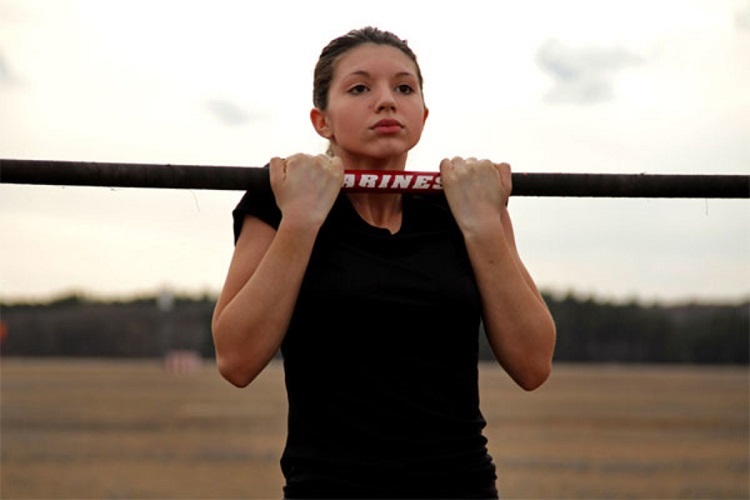
- Flexed-arm hang
- Static lunge
- Leg extensions
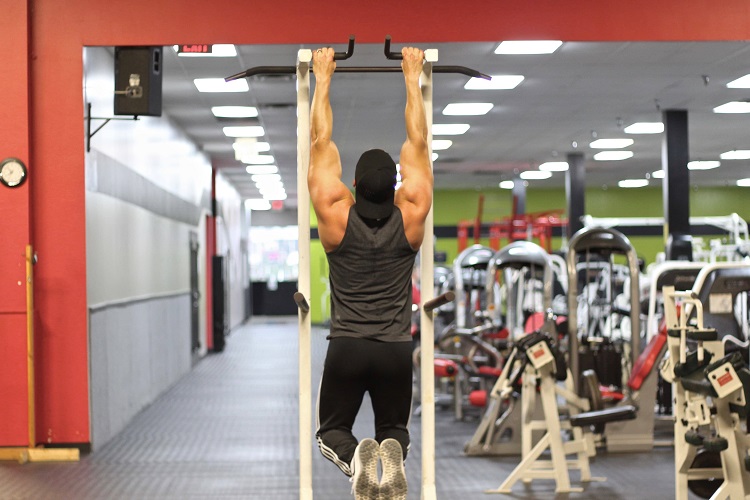
- Dead hang
- Split squat
- Good morning
- Scapular retraction
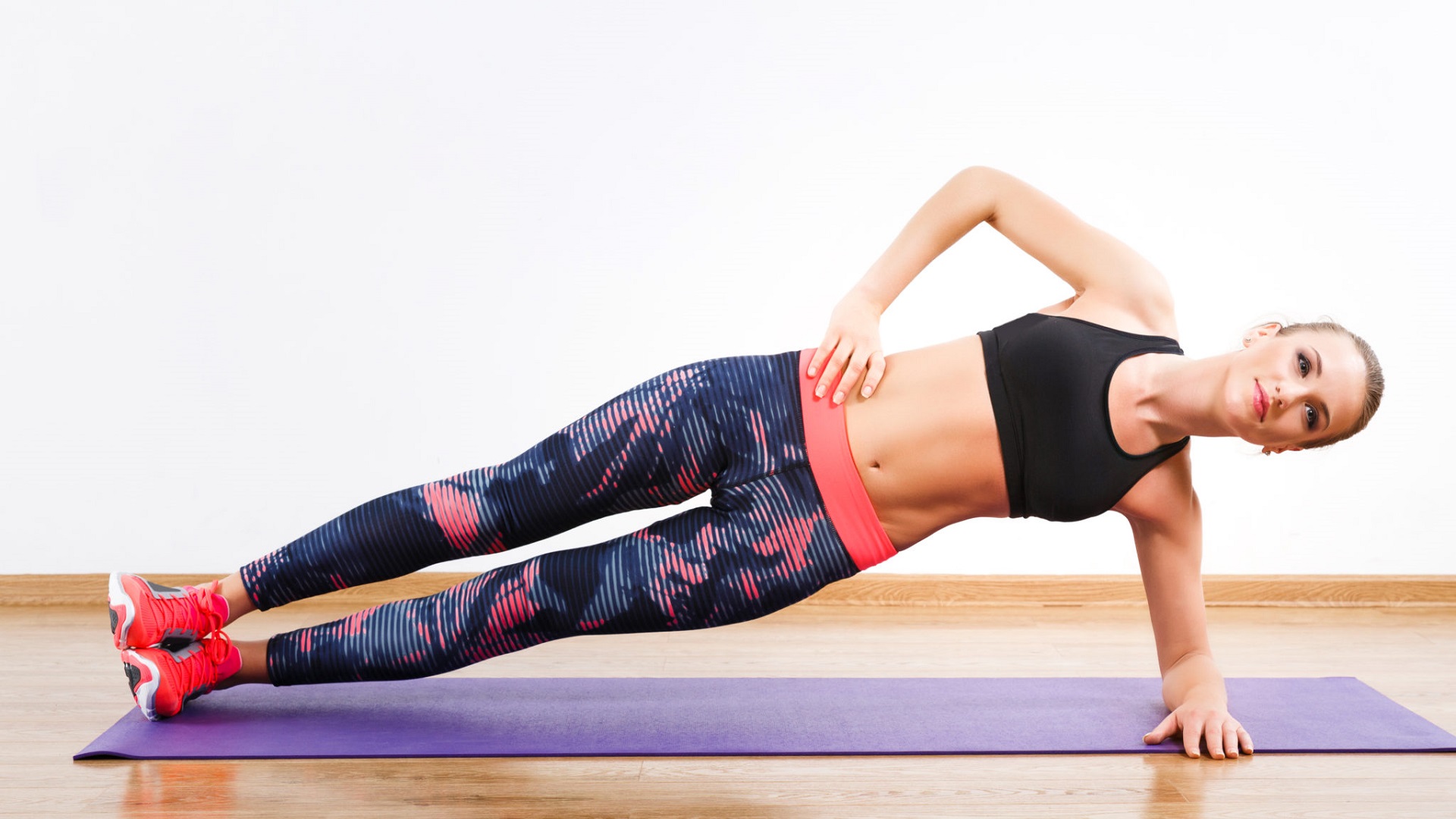
- Plank
- Calf raise hold
- Leg extensions
- Low squat
- Isometric squat
- Isometric push-up
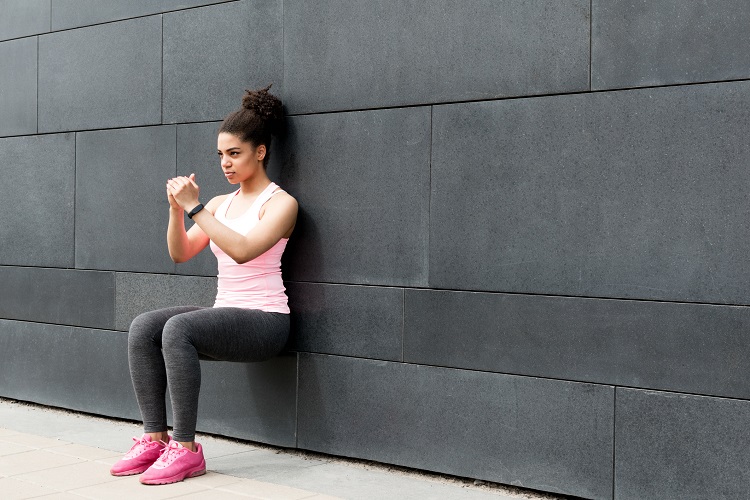
- Wall sit
- Glute bridge
For this guide, it is not practical to explain how to perform all the many types of isometric exercises.
However, we’ve handpicked a few out of the above list and explained how to perform them correctly.
Plank
- Get into a push-up position with your legs fully extended behind you.
- Properly bend your elbow until your forearm is flat on the floor.
- Maintain a straight body and be sure to put your forearm under your shoulders.
- Engage your core muscles and stay in this position for about 10 seconds or as long as you can hold.
Glute Bridge
- Lie flat facing up with your feet flat on the floor so your knees are bent upward.
- Extend your arms and place them facing up.
- Engage your core muscles.
- Use your arms for stability as you lift your hips off the floor so your body is in a straight line.
- Hold the position for as long as you can while maintaining a tight core.
Wall Sit
- With your feet shoulder-width apart, stand backing a wall, keeping a distance of about two feet from the wall.
- Slowly go into a sitting position and lean your back flat against the wall.
- Bring your knees into a 90-degree angle as though you were sitting on a chair.
- Maintain the keeping tension in your core.
- Stay in this position for as long as you can.
Isometric Squat
- With your feet shoulder-width apart, push your hips backward and lower yourself into a squat position.
- Move your arms forward to retain your balance at the bottom of this movement.
- Hold this position for a reasonable amount of time.
Dead Hang
- With your hands shoulder-width apart, grab a pull-up bar.
- Let your body hang in the air by crossing your feet and pulling yourself off the ground.
- Stay in this position for as long as your strength permits.
Conclusion
So, what is an isometric exercise? It is a great way to train your muscles without joint movements.
If you have an injury, health problems, or mobility issues, isometrics might be the ideal exercise for you.
The beautiful thing about isometrics is that they can be adjusted to perfectly suit your current level of fitness.
Meaning, even if you don’t have any mobility issues, these low-impact moves are a great way to incorporate easy-to-perform exercises into your routine.
Isometrics helps you to safely push your limits without risking injuries.
Remember; always listen to your body when you do any exercise!
Resources: