

Adding some extra weight around your feet can take your workout to the next level. You can use a wearable weight to support your strength training routine.
One of the common wearable weights for workout routines is ankle weights. Part of their popularity is their versatility, and you can bring them anywhere.
Adding some wearable weights to your workout routine is one of the top ideas to increase overall body strength and calorie burn.
There are plenty of health benefits to using ankle weights. However, while they're great for specific exercises, they also have some risks.
This article looks at whether ankle weights should be part of your workout. It focuses on how ankle weights can help your workout and how to use them?
What are Ankle Weights?
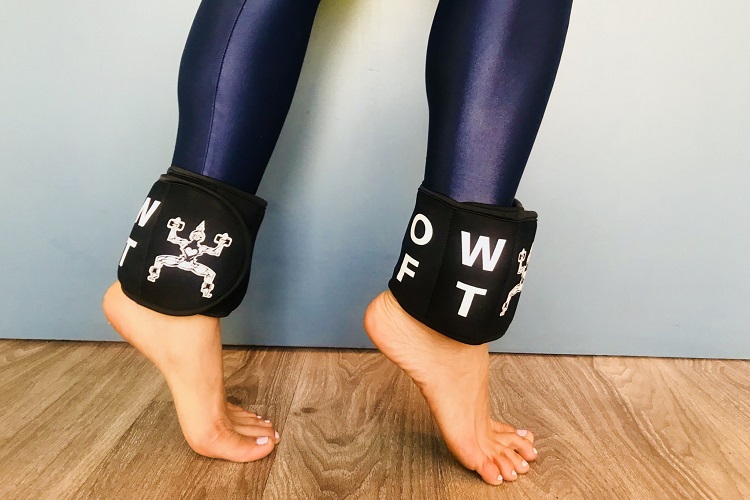
Ankle weights are the weights you slip onto your ankles before exercising. Think of them as dumbbells but for your feet. Ankle weights usually weigh 1 to 3 pounds, meaning you can incorporate them into your workout routine.
They are typically made into a wide neoprene strap that wraps around the ankle, and that is with Velcro. These wearable weights serve as a great substitute for a dumbbell.
The equipment is important to strengthen your muscles mass. They make your muscles, calves, glutes, quadriceps, and hamstrings work harder to make the same motion.
Use ankle weights for resistance training workouts, such as during your leg or glutes workout.
The weight will force your muscles to work harder to move this load against gravity, increasing muscle strength.
You can slip the ankle weights on and carry on with your workout, whether you're walking, jogging, running, or jumping. In most cases, people use them in place of larger and heavier machine weights.
You can use them in a physical therapy setting if you're suffering from something like injured hamstrings are knee issues. They provide lightweight resistance and benefit senior citizens or those recovering from injury.
If you're using ankle weights to work, focus on using 3 to 5 lb maximum weight. Extra weight could affect your stride and stress your lower back and pelvis.
When targeting specific exercises, you can use ankle weights between 5 to 10 lb on each leg. The right weight to use varies depending on your needs.
Purpose of Ankle Weights

The primary role of an ankle weight is to increase strength and improve your endurance.
Putting additional weights onto your base forces your body to produce more force than what you're accustomed to, increasing your endurance and building your overall stamina.
The ankle weights target and isolate muscles that grow weak, such as the glutes. They can make most face-down exercises for your glutes more effective.
If your glutes are weak, use ankle weights to isolate them without requiring much involvement from the hamstring.
You can also use ankle weights to increase your overall musculature and mass in your quadriceps, glutes, and calves.
If you want to play using ankle weights in your next strength training start on the lighter side and don't do back-to-back days of ankle weight workouts.
You can try performing bent leg raises, flexion, and extension exercises with ankle weights for knee pain.
Use the ankle weights for inner thighs when performing exercises such as bent leg raise. People use the equipment to balance between inner and outer thighs. You can also use them to perform the knee flexion exercise.
This exercise strengthens the hamstrings and also supports their knees. These added weights allow you to move freely and perform movements you wouldn't do with traditional weight equipment.
You can move in every direction and rotation, particularly important for hip work.
The equipment can also enhance the intensity of lateral glute work by activating the gluteus medius muscles that are weak but important for hip stability station. Use them to correct this imbalance that often leads to knee problems.
For example, doing leg lifts using ankle weights enhances the quad activity and keeps your knees healthy.
Benefits of Ankle Weights

The major benefit of ankle weights is that they provide an accessible way to add load to exercises. They are helpful for exercises that target the leg and hip muscles. You can use ankle weights to make cardio exercises more challenging because of the added weight.
They can do a lot to enhance workouts if you understand how to use them. Here are the benefits of ankle weights.
#1 Better endurance
Ankle weights can help build your overall endurance by exerting extra force. When you use them properly, they'll help increase your overall stamina and help your cardiovascular and pulmonary health.
Some people use ankle weights during the daily strolls to build endurance,
#2 Higher burned calories
You can use ankle weights to burn a few hundred calories. Applying more force in your workouts results in higher energy expenditure which helps the body to burn more calories.
If you use 1lb ankle weight for about 20-minutes three times a week, you will have a reduced body fat percentage by the end of this six-month research period.
Also, wearing ankle weights while working can increase your oxygen intake, which means you'll burn more calories.
#3 More versatility
Using ankle weights can help add variety to your workout routine. You can also add them to your stationary exercises, such as multi-plane leg raises.
Also, ankle weights eliminate the clumsiness of holding a dumbbell or unattended gym equipment with your lower limbs. You can take them anywhere without being restricted.
#4 Tones your legs
Adding weight resistance to a workout routine can help tone your legs. It is more effective than doing more repetitions. Use ankle weights to target the leg and hip muscles because it places a greater load on the targeted muscle group.
The muscles have broken at the move this evening to know the Guinness gravity which English history
#5 Strengthens stems
Apart from toning your legs, ankle weights can increase the overall strength of your glutes, hamstring, and calves. Training with these weights can also increase bone density and reduce the risks of osteoporosis.
If you're learning to walk again, the equipment might help you get back on your feet.
#6 Adds resistance to your workout.
If you want to spice up your workout routine, ankle weights are the way to go. The equipment can help you get a more challenging workout by adding an extra load to your body.
Research has shown that adding ankle weights to your training routine can increase muscle mass.
Drawbacks of Ankle Weights
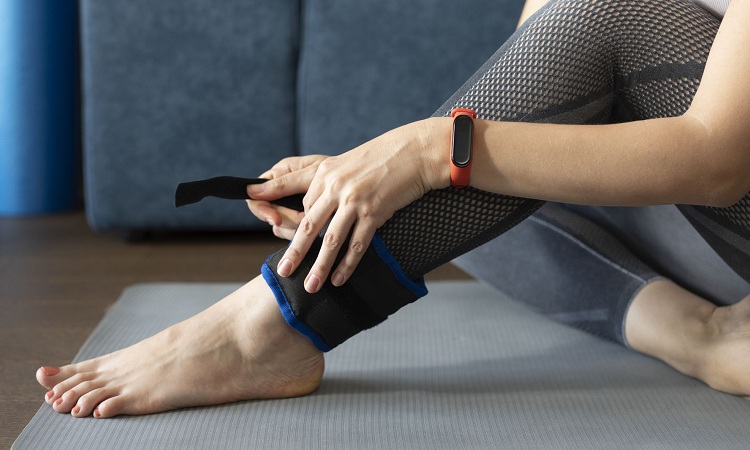
Using the ankle weight incorrectly or recklessly can do more harm than good. For example, excessive use of ankle weights can cause serious problems.
It's not a good idea to use wearable ankle weights while you're walking or performing an aerobics workout.
This is because they may force you to use your quadriceps and not to hamstrings, causing a muscle imbalance. Here are some drawbacks of ankle weights.
Using ankle weights can disrupt your walking and running mechanics, which can cause knee and ankle injury or pain. You can also lose your balance or coordination when using ankle weights, potentially resulting in a fall or injury.
Muscle imbalance can risk tendon or ligament injuries to the knees, back and hips. Make sure you strap them on correctly to avoid bruises.
The equipment can also cause major ligaments injuries because they pull on your ankle joints. They can also risk injuring your back and knees.
If you've not started using ankle weights, pick a letter one to avoid the injuries, Also don't wear them for too long as they can cause injuries or throw off your gait.
Walking with ankle weights poses risks as you can easily injure your lower body muscles or joints. Make sure you perform a full range of motion for each move without rotating your pelvis or moving your spine. Keeping your core braced will help stabilize your pelvis.
When you use the ankle weights on children, it puts them at a greater risk because the muscles, joints, ligaments, and tendons are not fully mature.
The growth plates are also at the end of long bones and usually open until 17 years.
If you use ankle weights and a growth plate is damaged, the child can suffer from misshapen bones, too short limbs, or arthritic problems.
Conclusion
If you're interested in exercising with ankle weights, there are many reasons to do so.
Ankle weights can be good or bad, depending on how you use them. If you use them correctly, you will benefit from your resistance workout routine.
However, your muscles, tendons and joints need rest once in a while. Adding consistent weight can overload them, so use the equipment sparingly.
Also, consider working one-on-one with a physical therapist personal trainer to develop a personalized strength training plan before using a wearable weight.
Resources: