
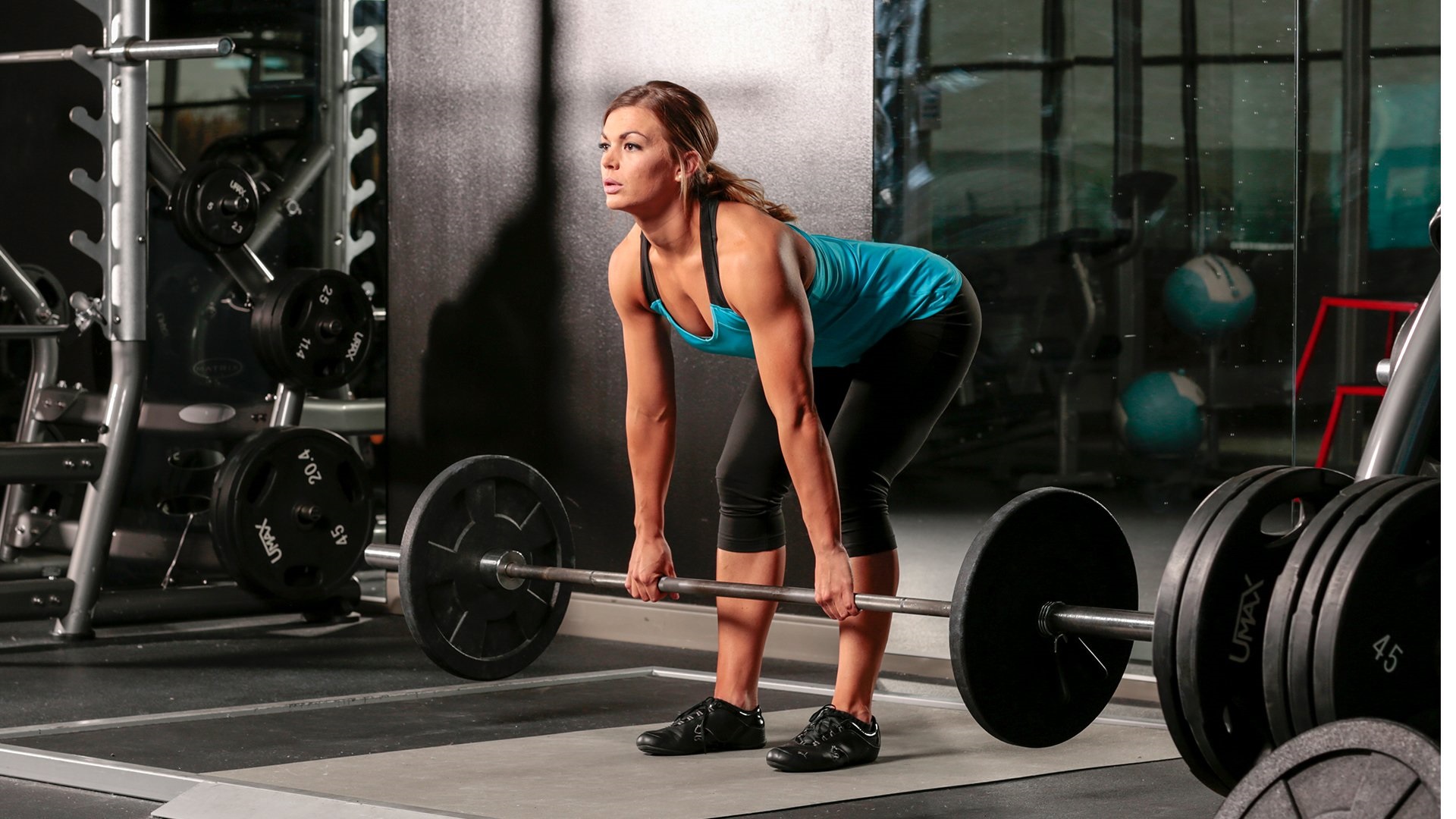
One of the things we cherish about our favorite athletes is their muscles. If you want to build bigger, stronger legs, you should get familiar with the deadlift. In particular, the Romanian deadlift.
Strength exercises are not for the faint-hearted. And Romanian Deadlift is up there with the very best exercises you can practice.
Traditional deadlifts are exercises that are favored among those who need to be in top shape every time. It improves the muscles and joints and strengthens the bones.
After a great round of deadlifts, body parts like the back, abdominals, hips, and hamstrings are engaged. The result is a stronger and healthier body and a fitter frame.
There are different variations of deadlifts, but the aims and benefits are the same, including the building of hip extensors and a stronger back.
Other benefits include the improvement of bone density, building of the core, and, most importantly, overall health development.
In essence, deadlifts are one of the few exercises that work all the essential muscles in the body.
This is possible because the deadlift has different variations. The most popular variations of deadlifts include:
- Sumo Deadlift
- Trap Bar Deadlifts
- Snatch Grip Deadlift
- Conventional Deadlift
- Deficit Deadlift, and
- Romanian Deadlift
The jury may still be out, but it's popular opinion that the Romanian deadlift is the best variation of the deadlift exercises.
That's why our focus in this article is on the Romanian deadlift, and we'll be looking at how it's done and why it is essential.
Why is Romanian Deadlift Important?
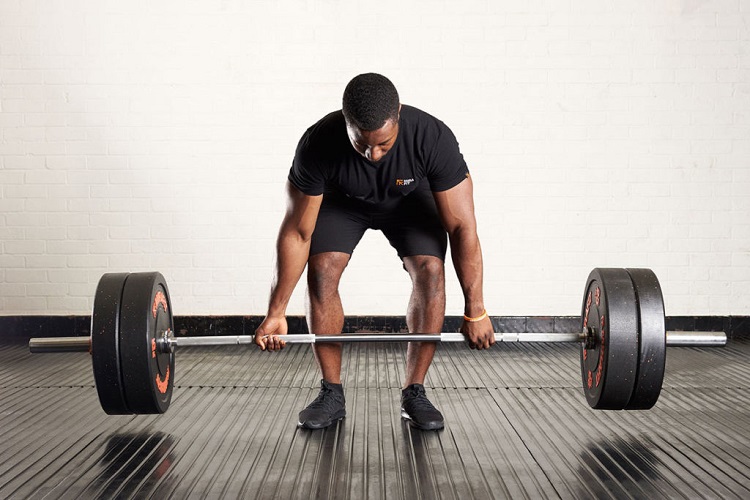
The Romanian deadlift is one of the deadlift variations that strengthens the core and the lower body by working on the hamstrings, spine, and posterior chain muscles.
The main muscles that you engage by performing a Romanian deadlift are the hamstrings, forearm flexors, and the erector spinae (the muscles that straighten and rotate the back).
The Romanian deadlift is essential because it helps the body to build the proper mechanism of extending the muscles of the hips.
Sometimes, it becomes more difficult to bend down properly as we grow older. If the body has been trained through the Romanian deadlift, the muscles would easily adjust appropriately to squatting movements.
Many have not learned how to bend over with their hips. They instead put their lumbar spine under undue pressure when it remains in the curved position for too long.
They know no other way to bend because the hips haven't been trained to support squatting. When the hips do their job, the back can be spared from injuries.
Therefore, the Romanian deadlift is essential because it keeps the spine, hips, knees, and feet coordinated to support the entire core development. It also develops the forearm muscles as well as improves metabolism.
Another significant benefit of the Romanian deadlift is that it simultaneously targets many essential muscle groups. Few exercises can affect so many body parts at once, like the deadlift.
The Romanian deadlift also develops grip strength. When you perform the exercise frequently, your grip strength is greatly improved. This is very important because healthy grip strength is equal to a healthy body.
Scientists believe the stronger your grip, the better your heart. And no exercise improves your grip strength like the Romanian Deadlift.
Because the Romanian deadlift works on your hip muscles, you would be able to lift yourself properly and run faster if you do them. It is interesting to note that the exercise helps your posture as well.
The Romanian deadlift can also be done at home and not just in the gym. Also, you don't need to use hefty weights to do this type of deadlift effectively.
One of the reasons most people run from the deadlift is the fear of very heavyweights.
However, the Romanian deadlift doesn't always have to be performed with heavyweights. The barbell in the gym is already sufficient if you're a beginner.
Dangers of Improper Form
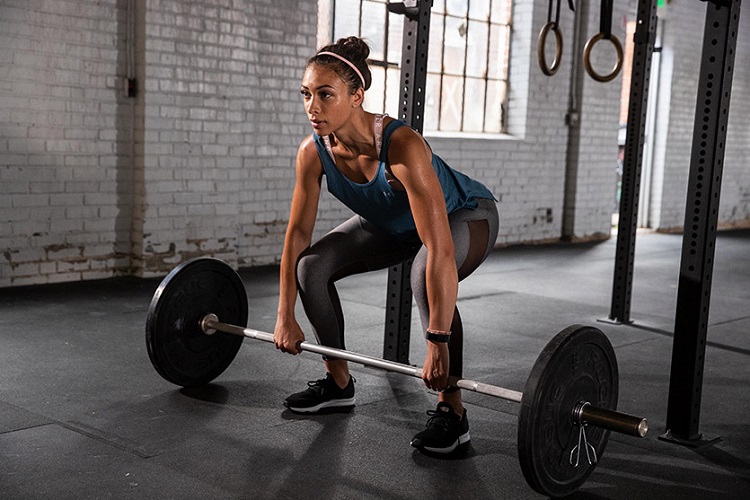
When it comes to Romanian Deadlift, you need to note something. There's a right way to do it, and, there's also a wrong way.
When you perform it the right way, you will reap great benefits. When performed improperly, it could be hazardous.
Apart from potentially endangering you, it could also cause physical harm to your health.
Before attempting the Romanian deadlift, always have your accessories ready. These include the lifting straps and deadlift grip.
Always have the right shoes on (there are shoes designed specifically for weightlifting), and never forget to warm up.
The danger of not following the proper form of the Romanian deadlift is that it prevents you from getting maximum benefits from the exercise while putting you at risk of injuries.
How to Perform Romanian Deadlift
Practice. Practice. Practice.
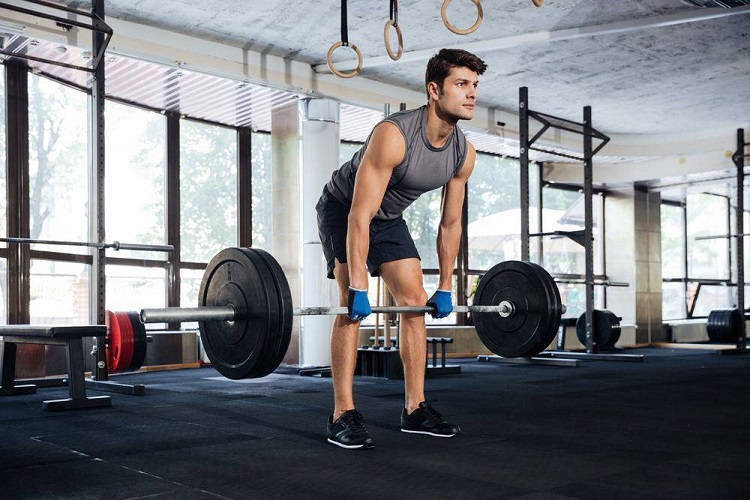
It takes a lot of practice to get the techniques right, but you can get it if you try. The Romanian deadlift requires bending at your hips so that most of your butt moves to the back while keeping your spine straight.
It may look challenging to maintain this posture initially, but it is possible with practice.
One of the factors that make the Romanian deadlift unique is that it focuses more on the hamstrings due to the position of the knees.
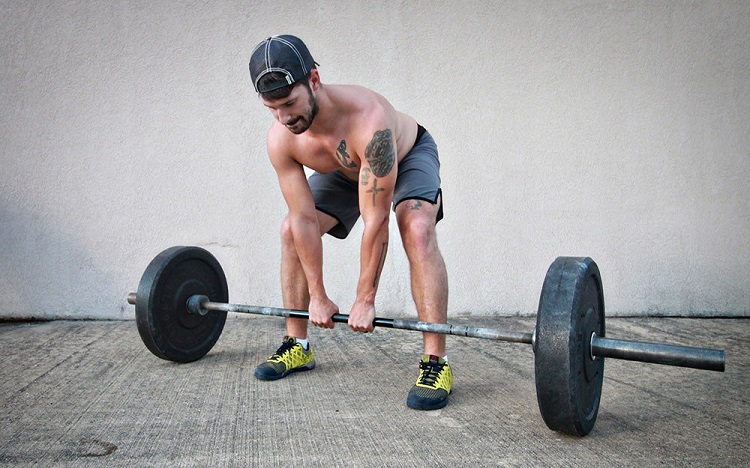
Performing the Romanian deadlift begins with learning how to position the hips by slightly pushing them back. You then hold the bars, or weights, in front of your thighs.
Remember, you have to move your hips back and maintain that posture, lowering the bars to the ground. While the weight is reduced beneath your knees, you push your hips forward.
Here are the details of the procedure.
- The first thing is the positioning of the legs. Stand with your knees slightly bent, keeping the feet apart by a small distance.
- As your torso bends towards the floor, keep your spine as straight as possible while pushing your hips backward
- Hold onto the barbell with both hands with a firm grip, keeping a natural distance between them.
- Keep your neck and the rest of the body in an aligned position. Don't overextend your spine.
- Tighten your glutes and hamstrings
- Lift the weight to the level of your thighs. Keep your legs straight and firmly fixed to the ground.
- Once the weights are at the thigh, lockout your hips
- Lower the weight to somewhere below your knees, just around the ankles.
- Keep your back flat and knees bent while you keep repeating the movement.
The primary key is to keep your spine in a slightly curved position while engaging the upper back.
An adaptation of the Romanian deadlift is the single-leg Romanian deadlift, although this requires another type of weight entirely.
Performing the Romanian deadlift is a fascinating bodybuilding exercise. Over time, you can learn how to do it quickly.
Other Deadlift Variants to Know About
As noted earlier, there are other variants of the deadlift. Here are some of them.
- Sumo deadlift: In the Sumo deadlift, the legs are placed wider, and the hands are positioned inside the space between the legs. Because the legs are farther apart, the sumo deadlift allows you lift heavier weights compared to the Romanian deadlift.
- Trap Bar Deadlifts: This deadlift involves a specialized trap that allows for a more even distribution of the weights. Most times, a hexagonal bar is used as the trap bar.
- Snatch Grip Deadlift: While the Sumo deadlift allows for vast space between the legs, the snatch grip deadlift requires a vast space between the hands. The hamstring is the main target of snatch grip deadlift. Professional weightlifters perform this type of deadlift.
- Conventional Deadlift: The conventional deadlift, just like the name, is the original kind of deadlift that most beginners can efficiently perform. It is done with your hands just around the feet and with a barbell.
- Hack Deadlift: The hack lift is not for beginners and should only be performed by professional athletes. It is designed to strengthen the back, shoulders, and knees muscles. This is because the bar is placed behind the back. This type of deadlift is the riskiest.
Conclusion
If you're interested in performing the Romanian deadlift, you can! It is easy, convenient, and can be done at home or the gym.
Of all the deadlift variations, the most popular remains the Romanian version.
Resources: