
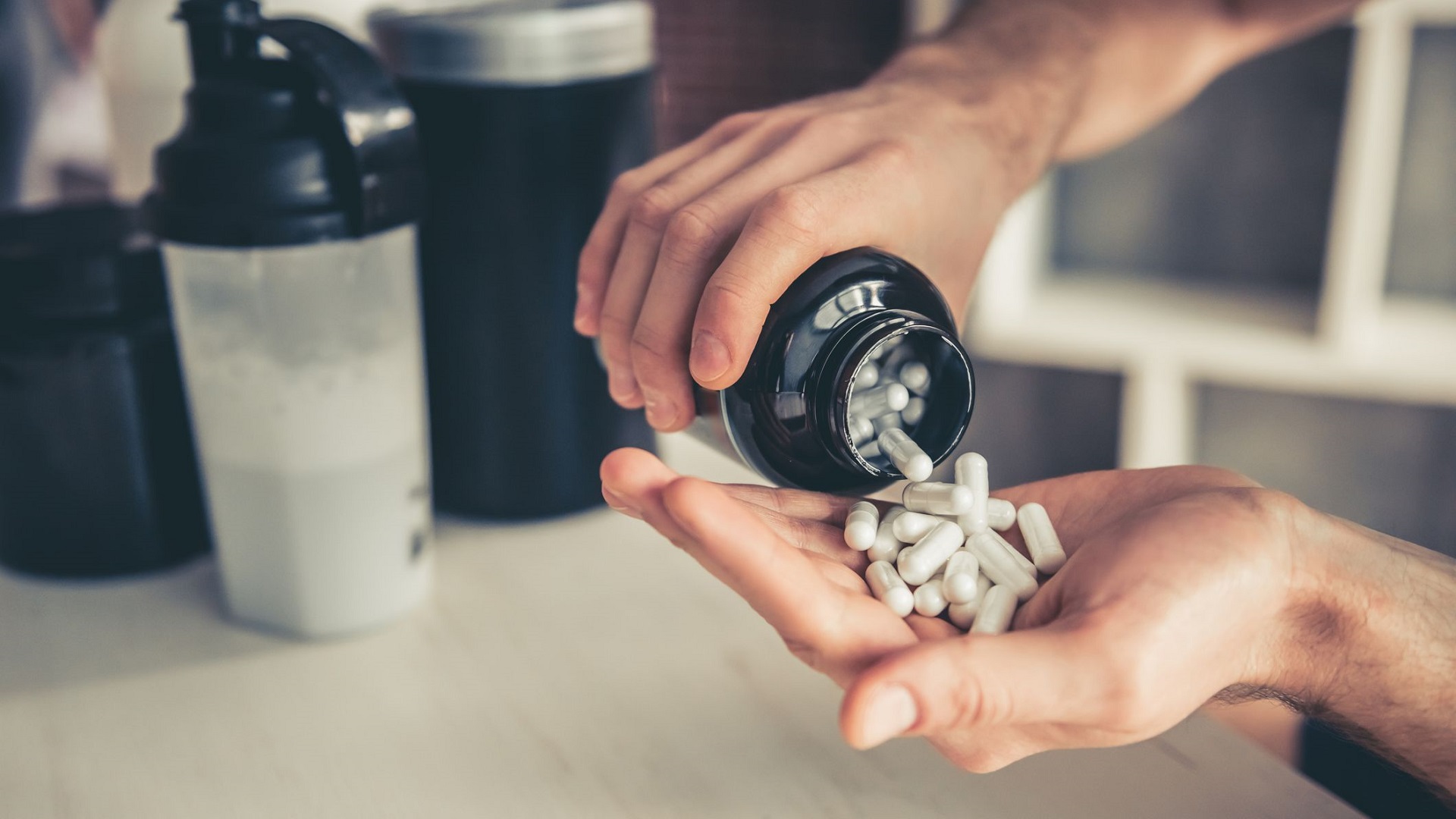
Sometimes you feel like just lazing around when you should be doing your exercises.
You are certainly not alone in this! Taking pre-workout supplements will get you in the mood like magic!
These supplements will raise your energy levels and get you on your feet in no time to face your workouts challenges. You may even do them like a pro!
However, you may ask yourself: is pre-workout necessary every time you exercise? Do these supplements pose any dangers to your health?
This article contains all you need to know about pre-workout and how and when to use them.
What is Pre-Workout?
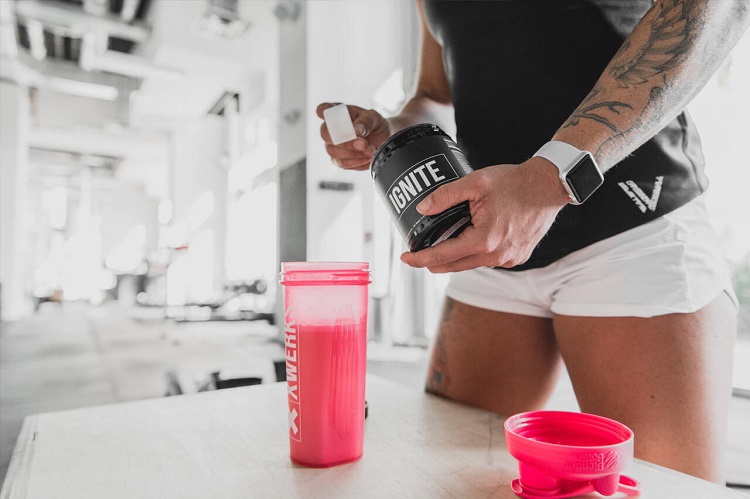
Pre-workouts are supplements developed to increase your performance and energy levels during exercise.
Basically, pre-workout contain ingredients that are formulated to boost your training output. They also allow you to concentrate or focus on workout sessions.
The market is packed with different types of pre-workout products, ranging from drinks to powders. Most of these supplements are produced with a combination of caffeine, beta-alanine, creatine, and amino acid.
You should understand that pre-workouts are not the same as traditional steroids; they only add extra nutrients to your body to give you a boost.
However, the rule of thumb is not to use these products in excess because they can become harmful when you overuse them! And that’s definitely not what you want, right?
What Happens To Your Body When You Use Pre-Workout?
If you are set on achieving your fitness goals, you should have a ritual that gets you up and going. A pre-workout supplement added to your ritual is a plus and offers great benefits.
To help you understand this better, here are a few important benefits that pre-workouts can provide to your body.
Energy Boosts

This is one of the best reasons to take a pre-workout. It gives you the energy to do more! This can be considered the primary function of taking these supplements.
Whatever time you schedule for your workout routine, there could be some days when overcoming inertia can be difficult.
At such times, asking the question: is pre-workout necessary becomes easy to answer!
You will surely need some boost of energy from a pre-workout to get you up and going.
Faster Recovery after Workouts
Proper recovery after workouts is very important. Pre-workout supplements don’t only give you the energy boost you need to smash your exercises; they allow you to recover very quickly after your workout sessions.
Some of the widely-used ingredients in pre-workout products are added to bring about speedy recovery after workouts. These ingredients promote an increase in blood flow, oxygen, and vital nutrients to the muscles that aid quick recovery.Â
It makes sense that you are more excited about hitting the gym or doing exercises at home if you can quickly recover from your workout. On the other hand, you may feel reluctant about working out if it takes a long time to recover after a session.
Improved Concentration
A pre-workout drink can help you concentrate while you train during your workout sessions. This is the primary function of ingredients like beta-alanine and caffeine.
Aside from boosting blood flow, these compounds can help prepare your body and mind for whatever challenge that comes with your workouts.
Improved Workout Performance

Pre-workout promotes your overall performance during workouts. That’s because you are more active, energized, and focused during your exercise sessions.
You may be training for a fitness competition or simply trying to stay fit. Whatever your reason, adding a good-quality pre-workout product to your exercise routine is generally a good idea.
It will push you to always give your best, whether at home or in the gym.
Speed Up Fat Loss
Pre-workout products are very effective for losing fat. This works whether you take the stimulant-free variety or the stimulant-containing types.
Both variants contain ingredients with thermogenic effects – the ability to increase heat through metabolic stimulation. This process boosts your body’s metabolism.
Ingredients such as caffeine can break down body fat very quickly. This is a plus for anyone who wants to shed off some weight.
However, pre-workout supplements aren’t some sort of magic pill!Â
Don't expect to lose weight overnight just because you took a pre-workout before hitting the gym.
Indeed, pre-workout supplements improve your body’s ability to burn more calories than usual. But they won’t do that overnight. Plus, you need to combine the right types of workouts with a good diet to achieve optimal weight loss.
Stimulant-Free Option
Some pre-workout products can prevent sleep. If this is a concern for you, consider opting for stimulant-free varieties.
This means you can get the right energy boost for your exercises without worrying about caffeine sensitivity, sleep disturbances, or becoming jittery.
Is There a Difference In Muscle Gains if You Take Pre-Workout?

Pre-workout products increase your exercise performance by pushing your body beyond its normal fatigue level.
However, consuming the supplements won’t automatically increase your muscles if you don’t do enough reps and sets.
You can build stronger muscles and even gain impressive muscle mass without taking any pre-workout supplements.
Although you can gain muscles without taking any pre-workout supplements, the process might take longer than when you use a pre-workout product.
In a nutshell, taking pre-workouts can improve your exercise performance and lead to faster gains. But the product will not make you gain more muscles than your body is capable of developing.
And remember this!
Just like every other product, pre-workout supplements have their disadvantages.
Below are some of the downsides of these products.
Possible Digestive Upset
Many pre-workout products contain magnesium and sodium bicarbonate. These compounds can produce laxative effects and consuming them in excess can result in digestive problems such as diarrhea.
The best way to prevent this is to dilute your pre-workout supplement with water. Make sure to use the right amount of water to prevent this side effect but still keep the product potent.
Keep in mind that it might be tricky to pinpoint the exact ingredient in a pre-workout that’s causing digestive issues.
For this reason, consider trying out a few different pre-workout formulas to figure out what works best for you.
Feeling Jittery
This is a common drawback of taking a pre-workout. This has to do with the caffeine content of the products.
Although caffeine can keep you energized during your exercises, it has some potential side effects, which include drowsiness, restlessness or jitteriness, insomnia, and nausea.
For some people, the high caffeine content can cause headaches and anxiety. It may also increase your heart rate beyond the normal range.
However, it is important to mention that these side effects are only common when you take an overdose of a pre-workout supplement.
To reduce these negative side effects, don’t rush into taking the products. This is especially the case if you are new to pre-workout supplements.
Be sure to take only a small dose at first. You can gradually increase your dosage to the extent your body can tolerate.
Or better still, consider taking a stimulant-free pre-workout product.
Possibility of Increased Water Retention
Most pre-workout products contain creatine formulas. While the effect of this compound may be mild, it can still be unpleasant.
In some cases, consuming pre-workout may cause bloating and higher water retention.
Your best bet to prevent this effect is to stick to the recommended dosages of pre-workout. Resist the urge to consume more than necessary, even if you enjoy the boost of energy it gives you.
Consider taking pre-workouts in small doses if you have a sensitive stomach. This will prevent bloating issues.
It is possible to hit the gym without taking pre-workout, but you must concentrate on eating the right types of foods and drinks to boost your energy levels. Consider the following foods:
- For fruits, you can choose some great options like peaches, fresh berries, apples, and bananas. These fruits are packed with carbs and simple sugars, which can be easily digested.
- Add oats to your diet. These tend to digest easier than other whole grains. They also provide B vitamins and thiamin, which are important in the production of energy.
- Consider eating bread if you are not gluten sensitive. The carbs in bread can be easily digested. Plus, they give you the needed fuel to keep going. You may also want to consider adding nut butter to give you more satisfaction.
- Sweet potatoes are another complex carb that can be of great benefit. They are packed with micronutrients like potassium and magnesium.
Conclusion
Despite the possible drawbacks of these products, knowing when to take pre-workout and also taking them in the right dose will keep you active and energized to do your best and reach your fitness goals.
Is pre-workout necessary? Ultimately, the answer to that is up to you. However, pre-workout supplements are generally safe and can help you exercise harder and more consistently to reach your fitness goals faster!
Resources: