
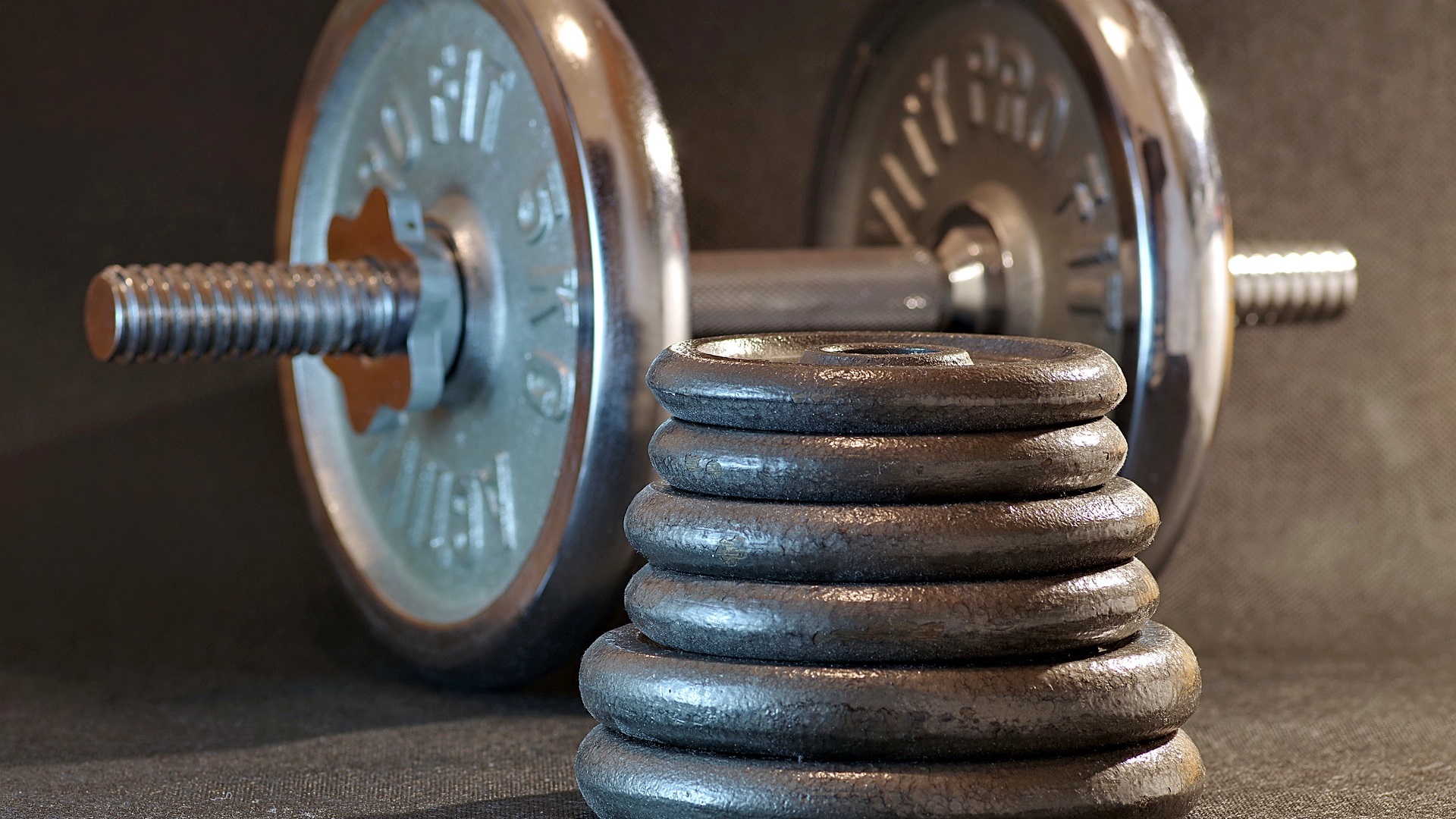
Weights are essential in keeping us fit. Lifting weights is one of the most important ways of losing weight, burning off body fat, developing the muscles, and improving the heart and body's health. It has no disadvantages.
Except for the state of your wallet!
Investing in your health through weights is a noble idea, and a home gym cannot be complete without weight plates, but the costs may cause their challenges financially.
With them being so expensive, many people are discouraged from purchasing them.
Many have shelved the plans for a home gym and have decided to do with the public ones.
With dumbbells going for an average price of $2 per pound, going for a complete set may set you back for about $1,000 or more.
That's not cheap!
Perhaps you were shocked by the price of weights when you decided to get some; there's a justifiable reason why weights are expensive, as you'll soon see. Certain things influence the relatively high costs of weights.
Let's see some of them.
What Influences the Price of Weights?
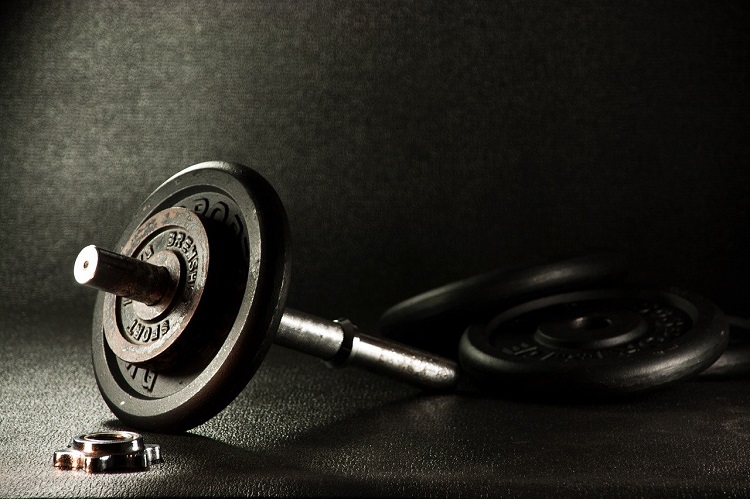
If you are wondering, why are weights so expensive? Here are possible factors that influence the price:
Weight
The most prominent is the most obvious: their weight! It's simple logic.
The heavier material is, the more expensive it is to ship. By road, air, or sea, whatever the mode of transportation, the weight of a material affects its cost.
Weights have a lot of weight. That means they are costly to ship. Fuel price also rises with heavier weights. That's a significant factor that determines their worth.
Materials
Another critical factor determining the price of weights is the raw materials used to make them. The more expensive the raw materials used, the more expensive the weights are.
For example, weights made from plastics will be cheaper than weights made from steel. However, weights made from cheap materials are not as durable as those made from expensive materials, say, iron or steel.
Remember that most materials used in producing weights also need to be processed.
Demand
Weights and dumbbells, in particular, are always in high demand because they are not always mass-produced. That has created a very profitable reselling market, which naturally drives up the price.
Some people, driven primarily by profit, then buy and resell the weights at higher prices. The artificial shortage increases the price.
With the recent Covid-19 pandemic, the demand for weights shot through the roof, causing the prices to grow further.
Amount of plates
Typically, several plates are created to produce weights. Most times, a selection of plates is bought. The implication is that there are different production lines for the different plates.
If you're buying weights, you want to buy a combination. There are different plates like 2.5 Ibs, 5lbs, 10lbs, 25lbs, 45lbs, 50lbs, and 75lbs. This also increases the cost. A complete set of dumbbells is going to cost a lot of money.
What to Do If I Don’t Have Money to Buy Weights?
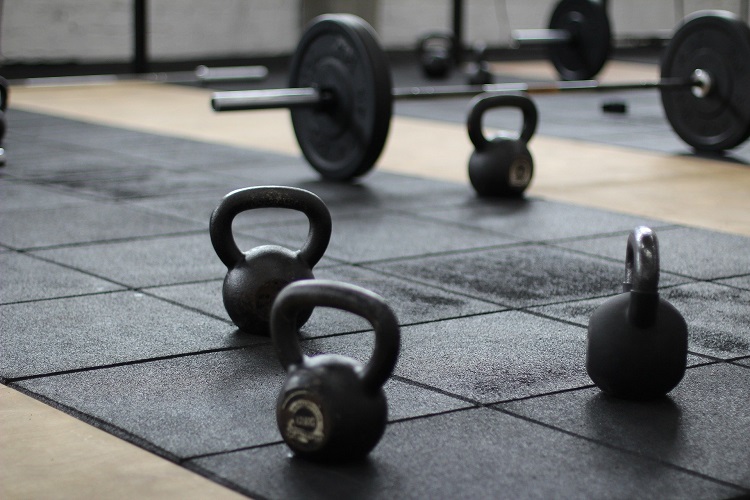
Without a doubt, dumbbells are expensive!
But there are options if you think you cannot afford them. First, if you want to save money, you may buy used weights or buy only the sets you need instead of buying a whole bunch.
Other options for relatively cheap weights include
- Purchase from local thrift stores: If you're interested in buying weights, do not patronize resellers. Instead, visit local thrift stores and local marketplaces to access cheap weights. You can also find great deals on ebay, social media, especially Facebook Marketplace.
- Rent them: If you cannot buy weights due to the costs, you can rent them. Renting weights allows you to pay a token only when you need them, instead of spending heavily on new ones.
However, if these are still too expensive for you, you can improvise with DIY hacks. Let's look at that.
DIY weights

Making weights at home is a fun exercise and can also be very helpful. If you do it well, it will achieve the same result as using standard weights. Here are some exciting ideas.
- DIY Dumbbells: You can easily create dumbbells with heavy substances readily available at home. Examples of materials you can use include water bottles, cans, and jars. The only condition is that the materials should be easily handled so that lifting will be comfortable without spilling.
- DIY Barbells: You can make DIY barbells in two water gallon containers, preferably plastics, with handles. Stick a metal or wooden rod through the handles. With the rod, you should be able to lift the containers. Fill them with water to the desired weight.
- Sand Filled balls: You can create weights by filling old used balls with sand. Cut a hole in the ball, fill it with sand and seal the ball. You can then lift them as much as possible.
Resistance Bands
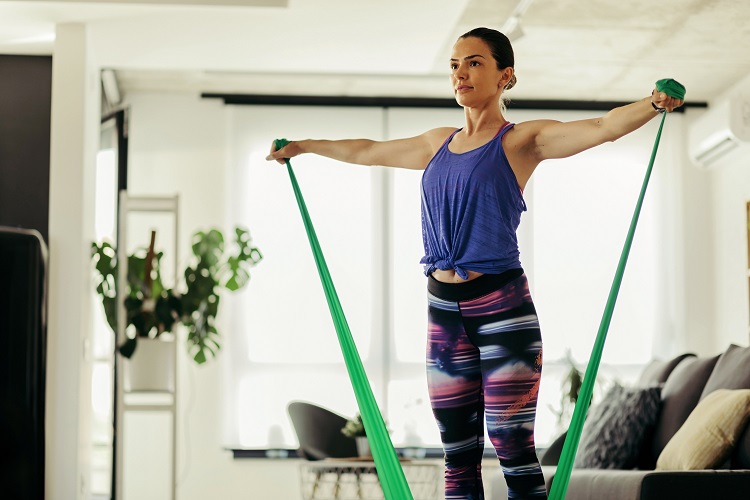
Why are we talking about resistance bands? Because the benefits of using elastic resistance bands are similar to those of lifting weights. So, why not?
Another way to easily improvise is through the use of resistance bands. Resistance bands are made from elastic materials, which can be looped around the legs or arms.
This creates tension around the muscles and has the same effect as a weight on the body. With resistance bands, you can get the benefits of well-built muscles, a stronger core, and a fitter body without having to buy weight or even lift them.
Callisthenics

We can also talk about calisthenics because it provides similar results to weights, except that you use your weight as resistance this time.
With several variations of calisthenics to choose from, you can easily exercise different parts of the body.
There are six types of calisthenics divided according to how they affect the body.
- Upper body pushing exercises
- Upper body pulling exercises
- Single leg exercises
- Knee flexion exercises
- Hip extension exercises
- Core stabilizing exercises
All these exercises use the body's weight as the resistance and develop the muscles thereby. The advantages of calisthenics over weight are that it reduces soreness, aches, and injuries.
Conclusion
Weights are expensive for many reasons. However, there are always options for used weights, DIY weights, or other types of exercises.
While there are many factors responsible for the high cost of weights, you can still achieve the same goals without spending a fortune on weights!
Resources: