
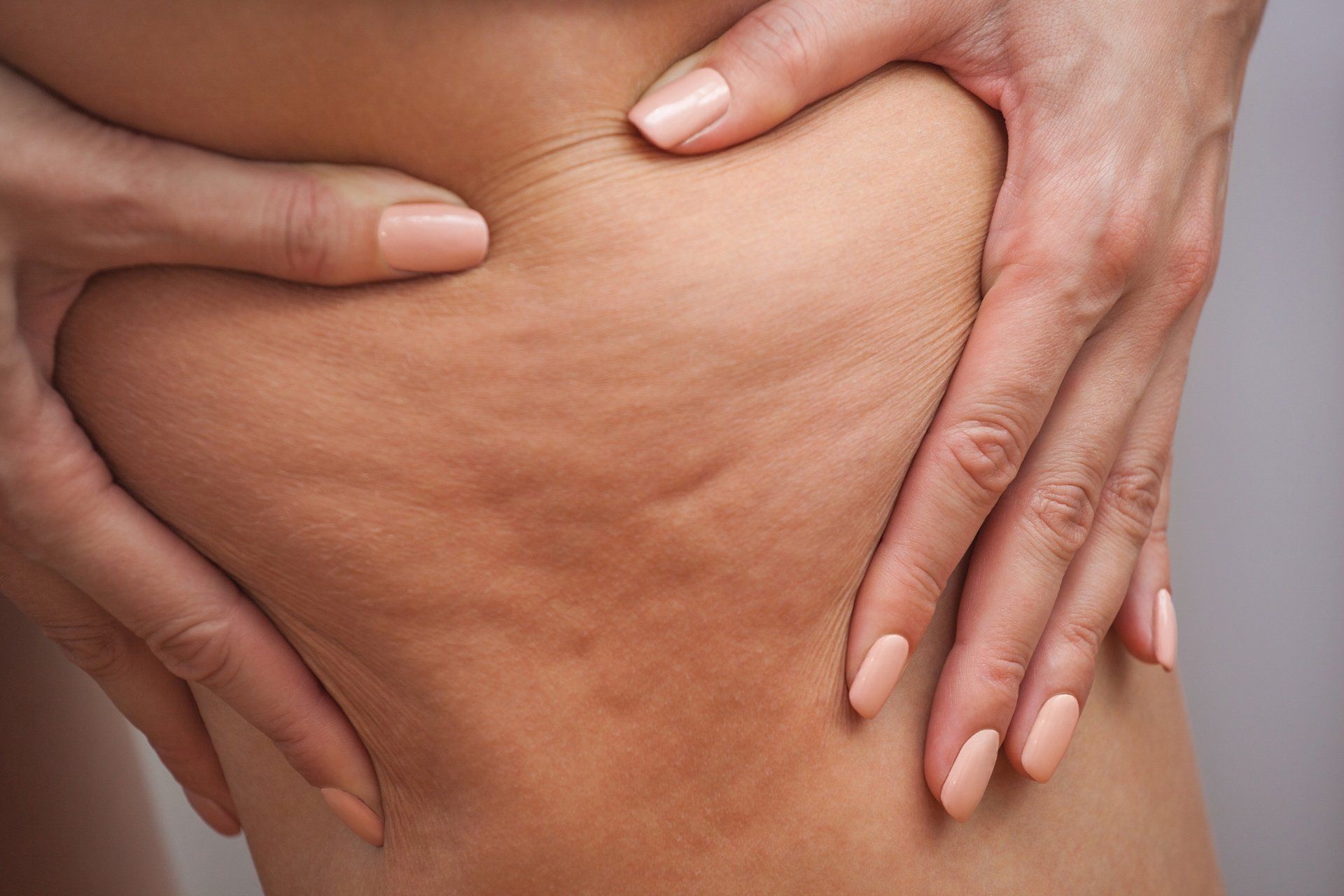
Cellulite is generally a cosmetic issue that affects about 90 percent of women. It is not a medical problem that you need to worry about.
However, if you are not comfortable with the somewhat dimpled skin on some parts of your body, there are a few things you can do to eliminate or at least reduce the problem.
This article will help you understand all you need to know about how to get rid of back leg cellulite. But first, let’s understand what cellulite is.
What Is Cellulite?
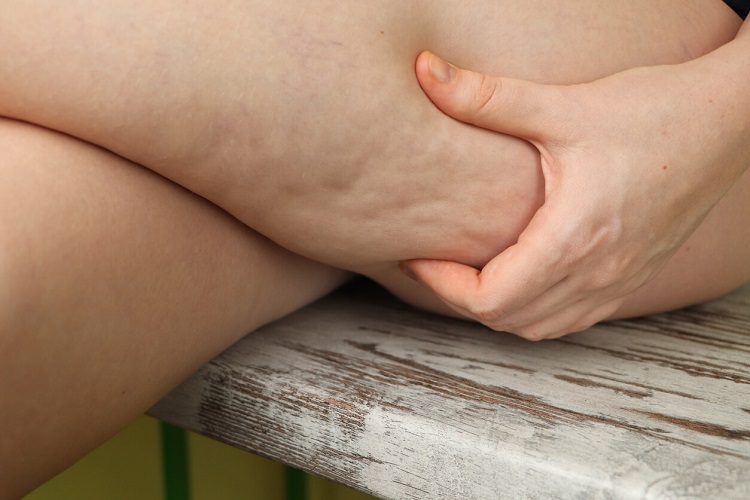
Cellulite is the lumpy skin on your body. It is mainly fatty tissue that penetrates the fibrous bands, which attach your skin to the muscles.
The fatty tissue makes the skin appear uneven and is usually found in body parts like the breast, abdomen, hip, buttocks, and thighs.
What Causes Cellulite?
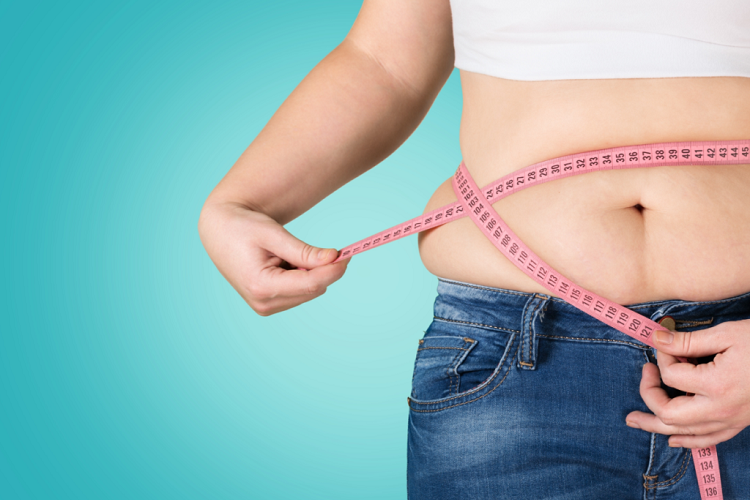
Cellulite develops as a result of fat accumulation under your skin. However, it can also be tagged to some factors like genetics, sex, and lifestyle.
Plus, women are more prone to cellulite because body fat distribution is more visible in women than in men.
Cellulite becomes more obvious as your skin gets thinner due to age. The number of cellulite on your body is based on your body fat percentage, genes, and age. Your skin thickness can also be a contributing factor.
However, this doesn’t mean cellulite only affects fat people. Instead, dimpled skin can show up on people of all body types and weights.
Other factors that can be pinned to the causes of cellulite are:
- Pregnancy
- Weight gain
- Accumulated toxins
- Inactivity
- Poor diet
- Excess calorie imbalance
- Eating too much sugar and fried foods
- Drinking too much alcohol
- Hormonal contraception
- Smoking
Best Exercises to Get Rid of Cellulite
One of the most effective ways to get rid of cellulite is by engaging in strength training exercises to tone, firm, and tighten your muscles and skin. This will help to reduce the appearance of cellulite on your back legs.
Also, some cardio exercises combined with a great diet will effectively sculpt, reduce, and may even get rid of cellulite.
Here are some highly effective exercises you might want to try.
#1 Reverse Lunge
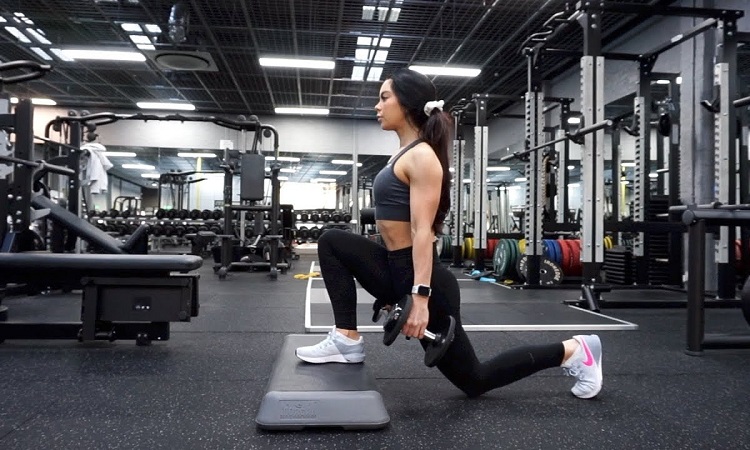
This exercise is best performed on an elevated surface like a bench.
How to do
- Stand about 2 feet from the bench or elevated surface.
- Step up onto the bench with your left foot, pushing through your heels.
- As your left foot reaches the bench, push your right knee upward.
- Bring down your right leg as you move back from the bench to the initial position.
- As your right foot touches the floor, lunge back with your left leg.
- Return to the starting position.
- Do at least 3 sets of 10 reps with each leg.
#2 Squat Jump
While this move is highly effective, you should avoid it if you have joint problems or you are a beginner because it is a high-impact move.
How to do
- Stand with your arms at your side and your feet shoulder-width apart.
- Squat down as though you were sitting on a chair, and let your hands come out forward.
- As you rise up, push yourself up into a jump and bring your hands down to help the movement.
- Land back gently with the balls of your feet touching the floor first.
- Quickly squat and repeat the process.
- Do at least 3 sets of 10 to 15 reps.
#3 Glute Bridge
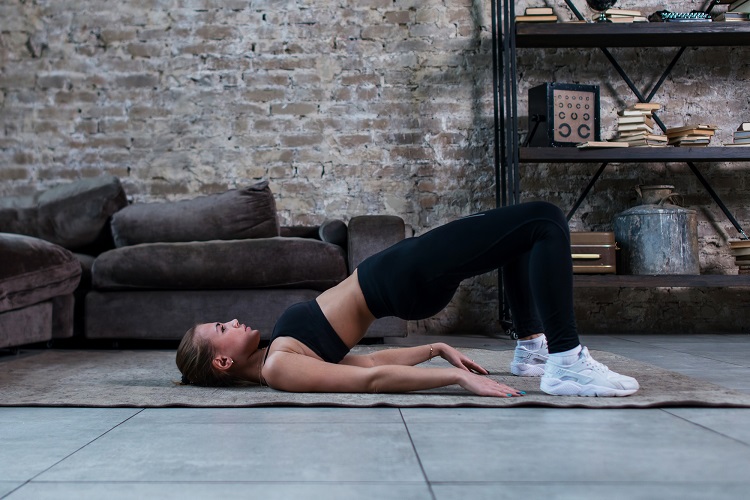
This is a good exercise that does not put unnecessary pressure on your lower back.
How to do
- Lie flat on the floor facing up, with your knees bent and your feet pressing into the floor.
- Place your hands by your side with your palms facing down.
- Take a deep breath in and push through your heels while raising your hips from the floor and working your hamstrings, glutes, and core.
- Maintain a straight line from your upper back to your knees.
- Hold and squeeze at the top of the movement before returning to the starting position.
- Do at least 3 sets of 15 to 20 reps.
You can consider the one-legged glute bridge variation if this traditional method doesn’t work for you. To make it even more challenging, do a weighted hip thrust move.
#4 Stability Ball Hamstring Curl
As the name suggests, this exercise is done with a stability ball. It is a great exercise to add to your routine if you are looking for how to get rid of back leg cellulite.
How to do
- Lie on the floor and place a stability ball under your lower legs and feet.
- Place your arms by your side with your palms facing down.
- Form a straight line from your upper back to your feet, as you engage your core and glutes by pressing your hips off the floor.
- Your lower leg and feet should be pressed to the ball to gain stability.
- Use your hamstrings to pull your heels to your butt until your feet become flat on the ball.
- Go back to the straight body posture.
- Go for 3 sets of 10 to 12 reps.
#5 Pushups
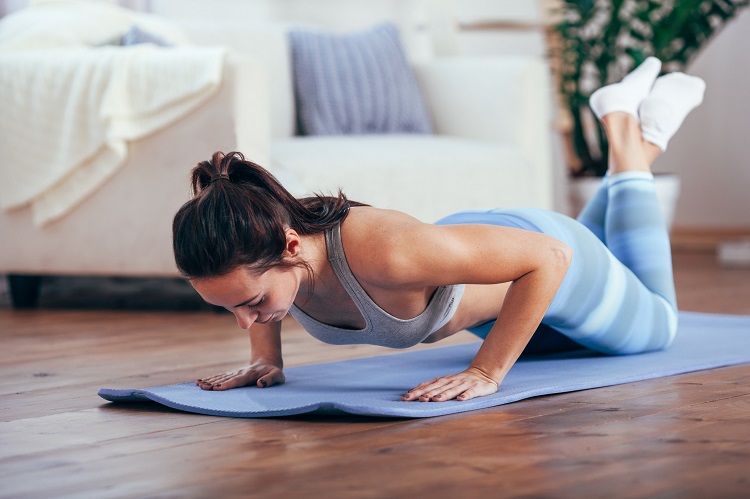
This is a simple exercise that you can do at any time. It does not require any special equipment.
How to do
- Get into a plank position on the floor with your palms shoulder-width apart, toes together, and arms straight.
- Slowly lower your body to the floor by bending your elbows and keeping your body straight.
- Pause for some seconds when your chin is about 2 inches from the floor.
- Push your body back to the starting position.
- Go for 3 sets of 5 to 10 reps, and take a minute to rest after each set.
#6 Dumbbell Rows
This is another exercise to include in your workout routine if you are looking for how to get rid of back leg cellulite.
How to do
- Stand with your back straight and a slight bend in your knees. Tilt forward from your hips.
- Hold the dumbbells in each hand with both arms straight and your wrists facing each other.
- Keep your hands parallel to your torso and your elbows bent as you pull your hands towards your ribs.
- Pause for a moment.
- Get your arms back to the starting position.
- Go for 3 sets of at least 8 reps and take a minute break between each set.
- Do Dumbbell Rows 2 or 3 times in a week.
#7 Aerobic Exercises
These exercises increase your breathing and heart rate. If done regularly, aerobics can help you burn a reasonable amount of calories, which in turn can lead to weight loss.
When you lose some excess body fat, it reduces the appearance of cellulite.
Aerobics that can help include:
- Jumping rope
- Cycling
- Walking
- Swimming
- Running
How to Get Rid of Back Leg Cellulite: Foods to Avoid

One of the things you must adopt when learning how to get rid of back leg cellulite is to avoid foods with high sodium content. These foods cause water retention, which can make cellulite very visible.
Some of the foods to avoid include:
- Cottage cheese
- Margarine and buttery spreads
- Soy Sauce
- Processed meats and cheeses
- Soda and sweetened beverages
- Barbeque sauce
- Canned soup
- Snack cakes
- Bagels
- Doritos
- White bread
- Pizza
Do Cellulite Creams Help?

Certain creams may help with cellulite, but they cannot completely get rid of the problem. Instead, creams can only reduce the appearance of cellulite to some extent, and it usually takes a long time of consistent application.
In reality, many cellulite creams are a huge waste of time and money.Â
You will have to do a proper search to find a good cream that works. Still, creams alone won’t do the trick. You need a healthy lifestyle – eating healthily and exercising – to get the best out of your efforts.
If you are bent on getting a cream, try products with multiple actives in high concentrations. However, keep in mind that creams won’t get rid of cellulite within a short time.
If you need to get rid of your cellulite as quickly as possible, you should consider radiofrequency treatment, vacuum-assisted precise tissue release, strong cellulite massage, or cavitation.
Any of these treatments are more effective than using creams.
Conclusion
Cellulite is not a disease or a serious health challenge that you should fret about. It occurs mainly as a result of fat accumulation underneath your skin.
However, the best solution for how to get rid of back leg cellulite is reducing your fat intake and making time to exercise and live a healthy lifestyle.
Resources: