

In a world of weight loss, there are many diet plans; some effective some not very effective.
One of the recommendations is to count calories or track macros. Whether you're looking to improve your body composition or improve your muscle gain, your calories and macros play an important role.
Macros for flexible dieting is a proven method to healthy living. However, macros for muscle gain require a caloric surplus to provide a strong environment for your muscles to grow.
Losing weight can be great. In this article, we look at everything regarding macros for muscle gain, including the proper macros proportions and the best ways to track them. Here is your guide to understanding macros and why you should count them.
What are Macros
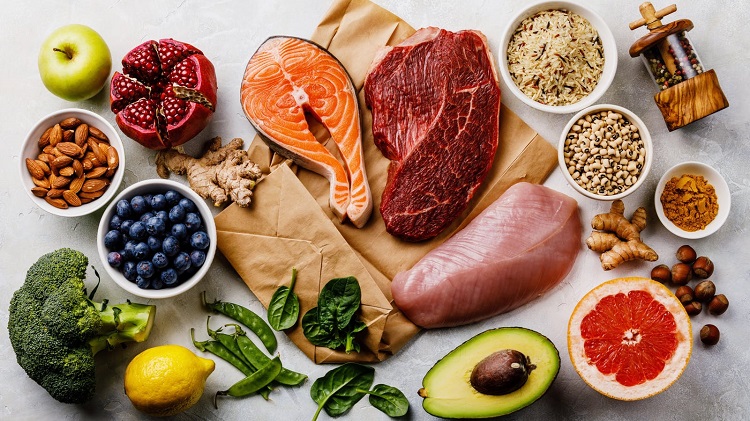
When it comes to nutrition, you will find the macronutrients and micronutrients. Macro is short for macronutrients.
These are the three most prominent numbers on the back of any nutrition facts panel comprising carbohydrates fats and proteins. The ratio of the macros in your diet is as important as your calorie intake when meeting body composition goals.
Macros are one of the most countable elements for muscle growth. You must dial in your macronutrients when it comes to building muscle to maximize the efficiency of muscle growth.
A simple calculation can tell you how much protein, carbs, and fat you should eat every day, and the right alignments needed for muscle building
Macros Overview
Macros are the types of food molecules the body can break down for energy. These types of macronutrients are tracked down in proteins, carbs, and fat as the three basic components.
They are the categories of nutrients you eat the most and which provide most of your body’s needs.
You need these three types of nutrients the most in your diet. When eaten in the right rations, fats, carbs, and proteins can improve your health, weight, and overall physical well-being.
Here is a breakdown of every macro component.
#1 Carbs
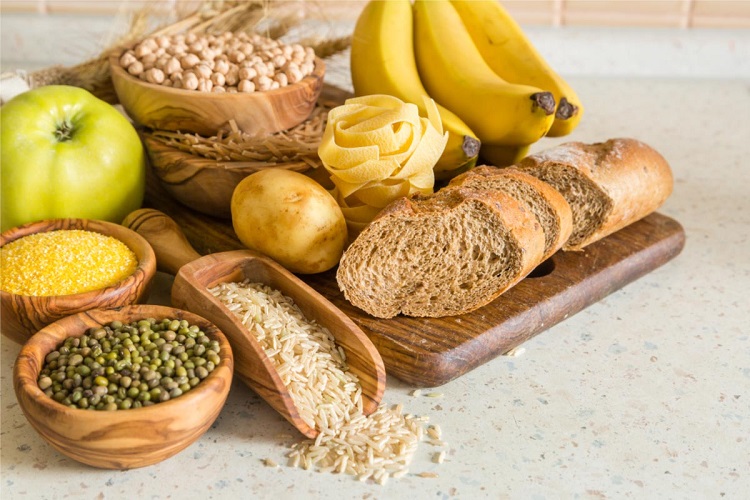
Carbohydrates are critical sources of energy for your body system and important for muscle gain. They fuel training sessions, which is where muscle building happens.
However, the carbs can easily turn to fat if you eat more than you need to fuel your daily activities. It’s important to control your carbohydrate intake.
Make sure you choose the right type of carbohydrates because some carbs are healthier than others. The healthiest sources of carbohydrates are potatoes, vegetables, fruits, and beans.
These foods promote good health by delivering vitamins, fiber, and minerals, among other important nutrients.
Avoid unhealthy sources of carbohydrates such as bread, pasta, soda, or any other processed or refined foods. They contain quickly digesting carbohydrates with a high glycemic index resulting in weight gain and hormone imbalance.
Focus on eating food sources of carbohydrates that are unprocessed or minimally processed.
The acceptable macro distribution ranges are 45-65% of your daily calories from carbs. Adjust the number to 10-30% if you’re trying to lose weight.
Someone who is not very active needs 2g of carbohydrates per kg of body weight. This is different from someone considered a high-performance athlete, who consumes 7g of carbohydrates per kg of bodyweight.
#2 Proteins
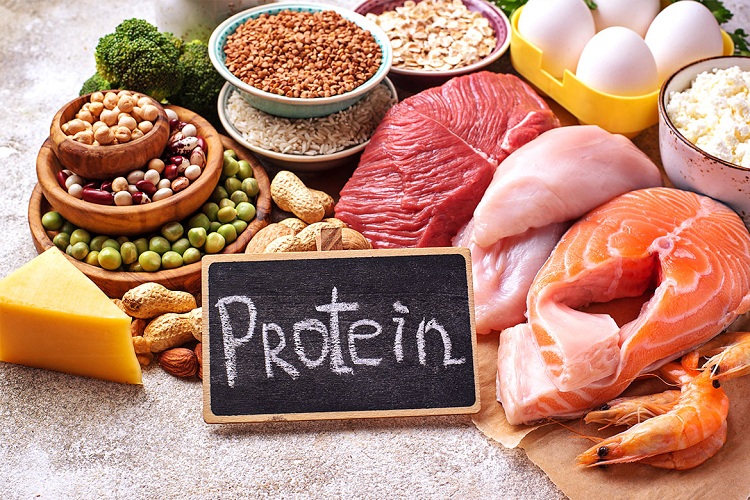
Proteins are associated with building muscles and are mostly found in meat and eggs. They are essential for building and preserving muscle mass, thus important for muscle gain.
Proteins are made up of different amino acids, which are the building blocks of organs, bones, enzymes, and the tissues in your body.
Eating a high protein diet has several health benefits. For example, it can help maintain and lose weight, stabilize blood sugar levels, boost energy levels, and support your muscles and bones.
Proteins can also improve your ability to concentrate and support the absorption of important nutrients.
It's important to use organic lean meats such as wild-caught fish for your protein needs. You can also consider poultry, eggs, and dairy products. Plant sources such as nuts, seeds, and beans are also important protein sources.
Vegetarians and vegans should be especially aware of these macronutrients for muscle growth.
Every gram of protein provides four calories of energy. You need 10 to 25% of your daily calories from proteins. You can adjust this number to 40-50% protein if you are trying to lose weight.
This protein intake for healthy individuals doing a bulk is 2-2.5g per kg of bodyweight. If you weigh 80kg, the protein intake should be 160-200
#3 Fats
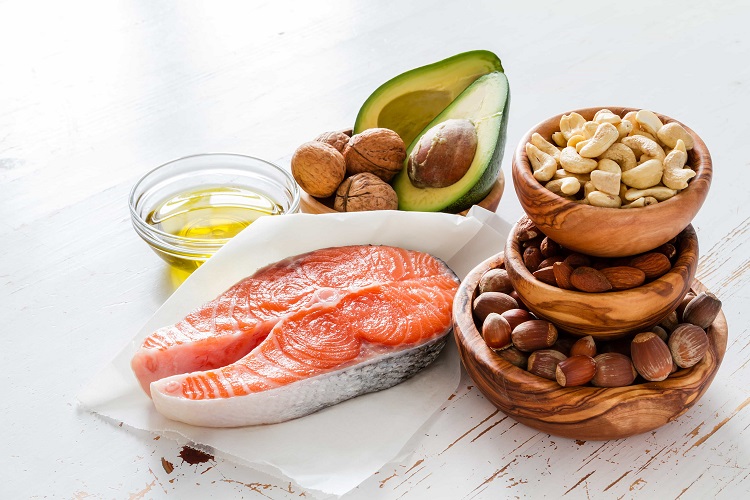
Fats are also extremely important for muscle gain as a source of energy. They are the most energy-dense macronutrient with 9 cal per gram. The fats are also essential for proper hormone function that plays a role in building muscles.
You can find fats in oils, dairy, meat, nuts, and seeds, with some vegetables having a small number of fats. A majority of western diets are high in fat, especially saturated fats that are not ideal for a healthy diet.
Your fat intake during muscle gain depends on how many calories are left after circulating your protein and carbs. The best way to calculate your fat intake when bulking is to use your body weight. You should take between 0.5to 2g of fat per kg body weight.
The acceptable macro distribution from fat is 20 to 25% of the overall caloric intake. Adjust it to 30-4-% fat if you want to lose weight.
Adults should target their diets to comprise the right ratios of these three macronutrients. Too much fat could increase the inflammation levels in the body, which can prevent you from effectively absorbing nutrients such as vitamins and minerals.
Proper Macros Proportions for Muscle Gain
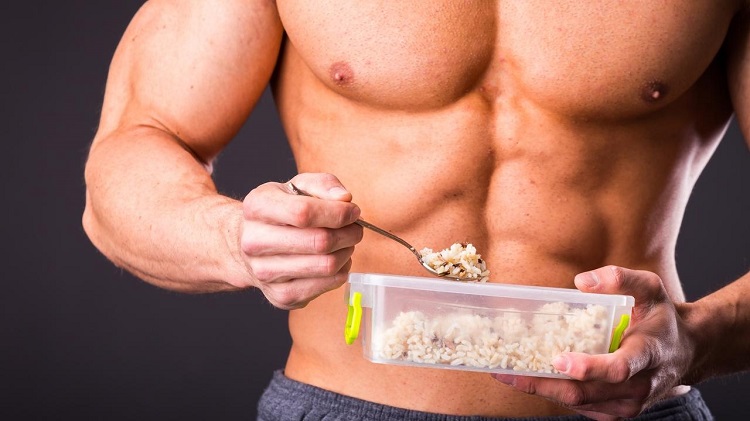
The macro balance will always vary depending on your specific goals. However, a typical macro breakdown for muscle gain is 40% protein, 30% fat, and 30% carbs. The ratio of protein, carbohydrates, and fats needed for building muscles does not vary that match.
The focus is less on percentage split and more on hitting the required daily amount of protein with 1g of protein per kg bodyweight.
Your calories change when working to gain muscle mass, but your protein intake does not because protein is needed for muscle growth. Therefore, you will change carbohydrates and fats to hit your calorie goals while maintaining protein intake.
When you increase protein intake while holding total daily calories constant, it can accelerate fat loss.
Once you know your daily calories, you simply solve for carbohydrates since it's the only unknown viable in the equation. If you're looking to gain weight and muscle mass, set the protein to 1 g per kg of body weight and adjust the carbs and fats accordingly.
The carbohydrates will increase disproportionately higher than fats since fats are kept close to 25%. This diet will have the highest rate of muscle mass since being in a calorie surplus provides more growth and nutrients to the muscles.
Food for Proper Macros Intake
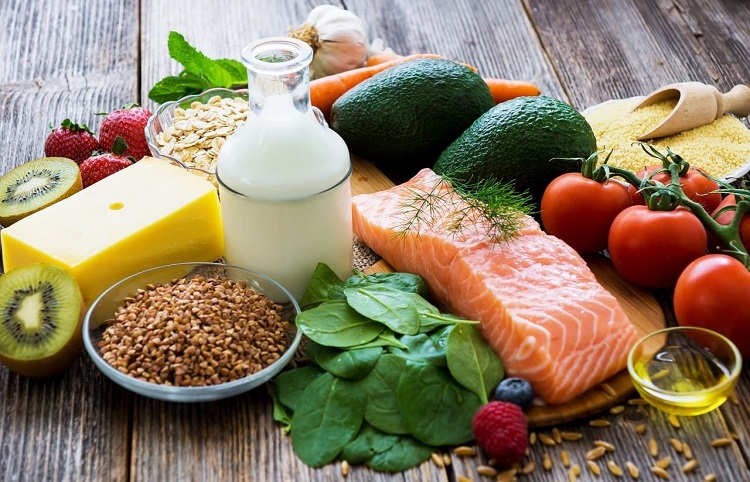
After understanding the ideal calories and macros for muscle gain, remember the muscles also need nutrients to recover from workouts and grow stronger. These nutrients can ensure you don’t grow unnecessary fat gain.
You should provide the right food types to deliver the correct nutrients. Consuming the wrong foods or not eating the right ones can make getting the results you want for muscle gain difficult.
The best fat-burning muscle-building diet is rich in nutrients, including many grains and bright-colored fruits and vegetables.
While all foods are allowed, you can easily meet your macro goals with a diet rich in fruits, vegetables, and whole foods while minimizing processed foods.
Increase the intake of fruits and vegetables such as broccoli, spinach, tomatoes, peppers, apples, berries, and oranges. Include seeds and nuts in your diet.
Starches such as potatoes and yams alongside whole grains like oats and rice are needed for carbs.
The food should also be particularly rich in high-quality protein. For example, if you are on a hypocaloric diet, consume 2.3 to 3.1 grams of protein per kilogram of body weight to maintain and build lean muscle mass.
Added sugars offer no nutritional benefits and are typically high in calories. Packaged or processed food also offers little nutrient benefits and can lead to overeating due to lack of volume and fiber.
Avoid Alcohol as it can interfere with building muscles and burning fat.
Food vs. Supplements
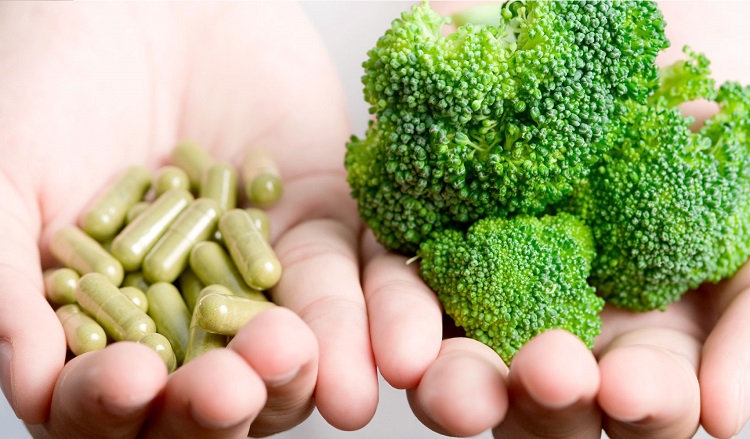
Since protein is the key macronutrient for building muscle, include healthy protein sources in your diet. Some healthy protein sources include pork, grilled chicken, lean steak, Almonds, eggs, and broccoli.
Focus on low-fat dairy products and milk proteins. Taking certain foods like vegetables, fruits, and whole grains can also help you get the nutrients you need.
While foods provide you with many proteins, supplements have become a popular and high-quality source of pertains. People use supplements for multiple reasons, including muscle gain, injury recovery, and weight loss.
The dietary supplements contain vitamins, minerals, and amino acids. For example, if you take protein shakes, you get amino acids.
Whey and Casein are the most popular animal-based protein powders that can help complete or enhance your diet if you need an extra boost to meet your daily protein target.
The supplements can come in handy when you lack high-quality protein sources available, or you can't reach your daily protein needs through food alone. Combining supplements with resistance training may promote muscle growth.
How to Take Enough Nutrients Without Too Many Calories

You have to think of your body as a car with a small gas tank. If you put too much fuel at once, it will not do anything for you. In the same way, you have to optimize your meals by measuring when you eat, how much you eat, and the kind of food combinations you put together.
You can use several methods to take in enough nutrients without too many calories.
The first method is to eat smaller meals with proteins throughout the day. This strategy can benefit nutrient timing because eating smaller meals every 4 to 6 hours allows your digestive system to operate more efficiently.
You want to be overloading your digestive system, allowing it to better absorb the nutrients passing through. When putting together meals, aim for at least 30 grams of proteins per meal.
The best way to take in enough nutrients without too many calories is to chew more thoroughly when eating food. Thorough chewing allows enzymes in your saliva to break down your food and kick off the digestion of fats, sugars, and starches.
As a result, the body can absorb some nutrients thoroughly, better than letting the stomach acid solely break down the food.
Consider a probiotic and Prebiotic. These are the good bacteria that live in your gut and improve your digestion resulting in better nutrient absorption. Some of the Probiotic foods grow the yogurt, though you can get them for my supplement.
Choose a probiotic food with at least three different strains of bacteria for better digestion.
Also, add healthy fat to your diet. Some of the good fat on the market include avocado and olive oil which helps unlock the antioxidants and vitamins in vegetables.
Adding the good fat allows the fat-soluble vitamin A in spinach to dissolve, freeing them to be absorbed in the body.
You can also avoid too many calories by limiting your consumption of foods high in solid fats, added sugars, and alcoholic beverages. These food types provide calories but are poor sources of essential nutrients.
Vitamins and minerals have zero calories meaning you can take a multivitamin diet and get the most nutrients without calories. The trick is to use a variety of nutrient-dense foods and beverages to help achieve the recommended nutrient intakes.
Best Ways to Track Your Macros

Keeping track of your macros can help you make smart unhealthy food choices. It is similar to counting calories but takes the ideology one step further.
Most people track the macros for at least a three to six-month period of their life to help fuel their training and achieve better results. Through macro counting, you can understand where calories are coming from and how they affect your body.
Tracking macros simply means logging the foods you eat on a website, app, or food journal. However, the whole process takes some effort.
The most convenient way to track macros is to install a mobile application, such as My Macros + or MyFitnessPal. You should know that macro counting is not a one-size-fits-all plan.
Calculations are used to determine how many grams of protein, carbs, and fats you need each day to meet your weight goals.
The easiest way to calculate macros is using a fitness tracking app or online macro calculator. This is how to set your ideal macro ratio for muscle gain.
#1 Work out your BMR
The general process starts with calculating your basal metabolic rate (BMR). It refers to how many calories your body needs daily to perform normal functions such as breathing.
The BMR is the number of calories you would burn if you spend the day doing nothing. For men, you calculate the BMR by multiplying body mass (kg) by 24. In women, you calculate the BMR by multiplying the body mass (kg) by 22.
#2 Adjust the BMR to suit your daily activity level
If you are a passive person with little or no exercise, such as those doing the desk jobs, you multiply the BRM by 1.1. If you are lightly active and engage in some standing or walking at work, adjust the BMR by multiplying by 1.3.
Those who are moderately active and engage in moderate exercises 4-5 days a week multiply BMR by 1.5. Very active individuals engaging in hard daily activities should multiply the BMR by 1.7.
The adjustments give you an estimation of daily energy expenditure without counting specific exercises. For example, weight training accounts for approximately 3.5 x BW(kg) Cals/hour.
This means an 80kg person training for 60 minutes will burn 280Cal/session.
#3 Add the required calorie surplus.
Work out your total calorie needs after finding your total daily energy expenditure (TDEE) to maintain your body weight. A good place is to start with a 200 to 400 Cal surplus on top of your calculated maintenance calories.
You can adjust it if required according to the response. In a calorie surplus, you will be building muscle maximally while also gaining some fat alongside it.
#4 Calculate the protein intake
A good aim is to get approximately 2g per kg of body weight for easy calculation. This protein intake will put you in a good place to maximize muscle gain.
If you cant hit this target, the 1.7 grams per kg is also sufficient for most people to gain muscle.
#5 Calculate your fat intake
Aim for 20 to 30% of your daily calorie allowance to come from fat for a good muscle gain perspective. This translates to a 1g fat per kilogram body weight.
#6 Calculate your carbohydrate intake
The last step is to calculate your carbohydrate intake. Generally, the remaining calories give you carbs after totaling the protein and fat.
Can You Build Muscles in a Caloric Deficit?

Yes, it's possible to build muscle when you have a caloric deficit, provided you follow a progressive resistance training program.
Calories are important when tracking macros. You are gaining weight if you're in a calorie surplus and losing weight if you're in a calorie deficit.
If your goal is to gain muscle mass, ensure you are in a caloric surplus with 2-2.5g of protein per kg of bodyweight, 4-7g of carbs per kg of body weight, and 0.5-2g of fat per kg of bodyweight.
However, if you're looking to build lean muscle and lose fat, a calorie deficit with a higher protein intake is ideal. The best way to build muscles while in a calorie deficit is to maintain a 20% rate.
A calorie deficit higher than 20% could result in unwanted muscle wasting.
Anyone looking to lose fat and build lean muscle is cutting their calories. This means you need more protein, possibly up to 2.4 grams per kilogram of body weight per day.
For example, a daily diet containing 2.4 grams of protein per kilogram of body weight promotes fat loss and maintains lean body mass.
Some requirements include consuming a high protein intake and eating low calories. The protein feeds the muscles while the body burns fat for fuel. Heavy lifting can also result in signaling from the body for muscle protein synthesis.
Eating proteins can increase the number of calories you burn by stimulating your metabolic rate. You can also reduce your appetite, meaning you're less likely to put on pounds.
Therefore you can build the muscles and stay healthy while on a caloric deficit. You can also build muscle realistically while on a calorie deficit. Ensure you restrict your deficit to the healthy 500 to 750 calories a day.
The Centers for Disease Control and Prevention describes a healthy weight loss as 1 to 2 lb per week. If you take the weight loss faster than that, you can reduce your potential for gaining muscle and endanger your new long-term weight loss.
Conclusion
Whether looking to lose weight or build muscle, ensure you get your macros correct. Your calories and macronutrients are important, and manipulating the calories and macros determines how much mass your body builds.
You can gain a specific mass by fine-tuning the protein, carbs, and fat. Many people ask whether it's possible to lose fat and weight and gain muscles simultaneously.
Combining the right exercise stimulus with appropriate nutrition can build some muscles on a caloric deficit. When looking to bulk, focus on your nutrition to fuel your gains in the gym. This includes setting your calories 10% above your total daily energy expenditure.
You also need an approximate macronutrient breakdown of 40% carbs, 25% protein, and 35% fat. Your goal is to maintain your weight and body composition. However, your priority should be preserving the lean muscle mass you already have.
Resources: