
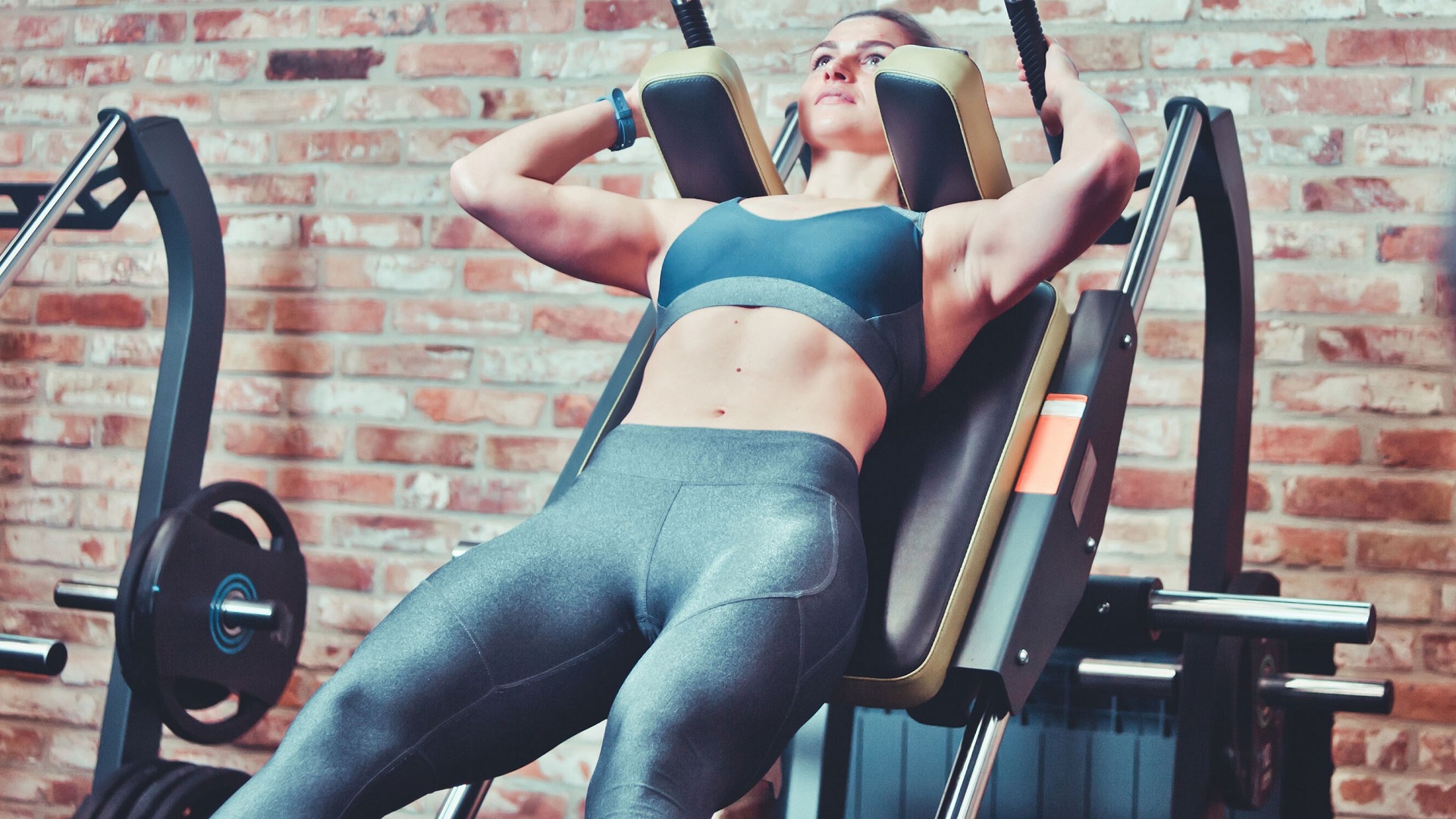
It is common for many exercisers to neglect “leg day” (exercise their legs) in favor of building their upper and lower body muscles.
Fortunately, learning how to use the hack squat machine offers a better way to achieve a more comprehensive workout and develop a well-rounded physique
A hack squat machine is designed to strengthen your glutes, quadriceps, and hamstrings. Plus, it is safe to use compared to conventional squats performed with a barbell.
Additionally, exercising using the machine works your back muscles and your core. Keep reading to learn how to use the hack squat machine correctly.
What Is A Hack Squat Machine?
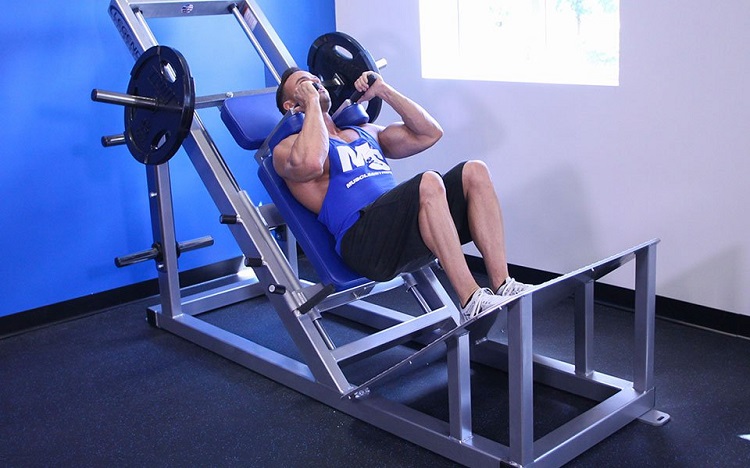
A hack squat machine is a machine designed for building strength in your leg area. It is a great exercise machine for those who are new to squats.
The machine is angled to put you in a standing position and support the weight while you get a good balance from your legs to perform movements.
When you regularly use this machine as part of your exercise routine, it can effectively build your legs, particularly your squads. It also engages the thigh and hamstring.
So, if you have always wanted to build impressive leg muscles, you should learn how to use the hack squat machine!
Pros of Hack Squat Machine
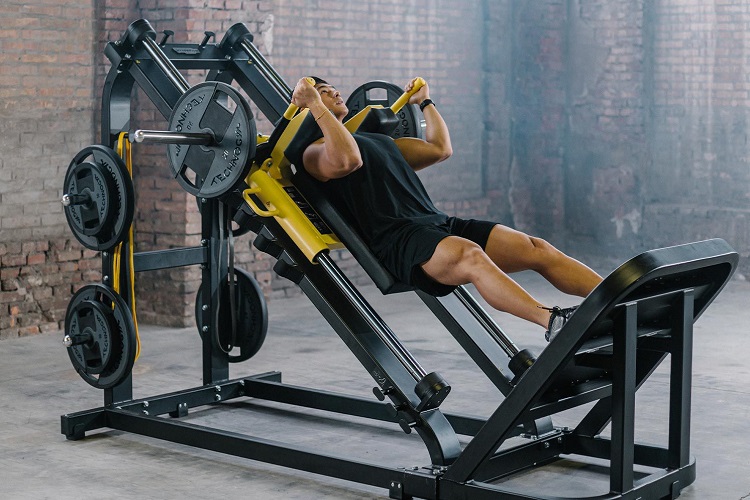
- Improved stability: One of the good things about the hack squat machine is that it gives adequate stability more than other lower-body workouts. This is because you can do the movement by taking a narrower stance.
- Reduce muscle imbalances: When done correctly, hack squat machine exercises can reduce muscle imbalances by separately training each of your legs.
- Highly adjustable: The hack squat machine equally provides the option of changing the desired results by adjusting your foot position. If your foot position is lower, it works your quads. And when it is in a higher position, it works your glutes.
- Easy to use: The hack squats are beginner-friendly - if you are a beginner, you can easily get the hang of it.
- Suitable for nearly everyone: Just about anyone can use the machine to perform squats, regardless of any weaknesses in the upper body. That’s because the upper body muscles are less engaged during the movement.
The hack squat machine is also suitable for bodybuilders and weightlifters. This is because it allows you to attempt a heavy load at a fixed range.
Cons of Hack Squat Machine
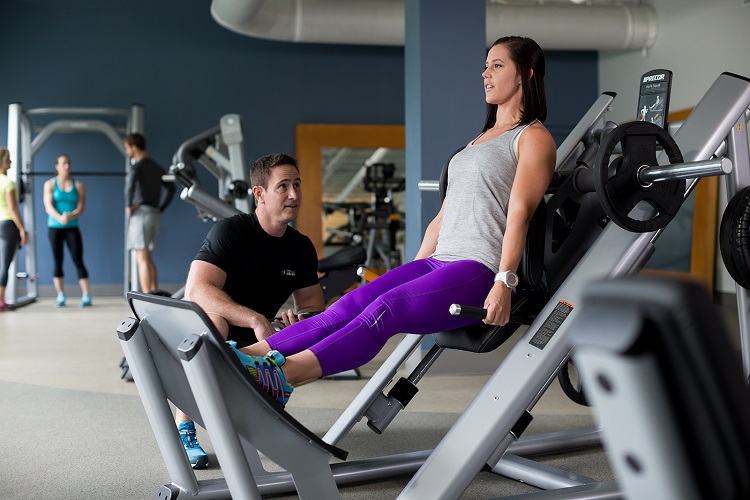
- There is a chance that it will add a lot of strain on your joints as you use the machine. So, it is generally not the best equipment for people with lower back pain or knee pain.
- Some of these machines are expensive and can sometimes be scarce to come by in many gyms.
- On some squat machines, it is a bit difficult to get back up after squatting. This can be dangerous because your hands are already in an inconvenient position.
- Some of the machines can put your neck and head in an uncomfortable position because they require you to fit your neck into a small space with shoulder pads on your shoulders.
- The squat position is unnatural, as you are required to tilt backward while squatting. Meanwhile, a squat is supposed to be done vertically.
How To Use the Hack Squat Machine the Correct Way
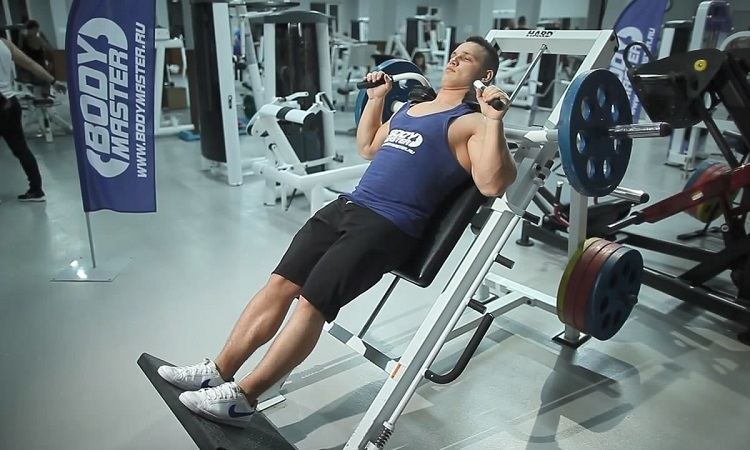
- Take the first position by putting your back against the pad and your shoulders under the bars.
- Put your feet on the upper part of the platform, about shoulder-width apart, and your toes slightly pointed outward.
- To know if you should add or reduce the weight, put your hands on the handles and straighten your legs. Then, settle on the right weight and disengage the safety. You will usually find them at the sides of the machine.
- Inhale as you lower yourself and let your legs be at approximately 90 degrees angle. Also, make sure that your knees do not go past your toes at this point. This is to ensure that your feet are high enough on the platform.
- Exhale while pushing back up to your first position. Do this carefully to prevent locking your knees at the top of the movement.
- Lastly, remember to keep the weight in your heels, and keep your movements slow, steady, and controlled while you continue performing your reps.
Pro Tips
Here are some tips to ensure you reap the full benefits of your workout on the hack squat machine:
Do not lock your knees. Instead, they should be slightly bent, even when you are at the top of your movement.
- This will not only protect you from injuries, but it can also keep tension in the muscles and allow you to work them to their maximum capacity.
- Focus more on keeping your abs engaged throughout the exercise.
- Give yourself a break by not pushing yourself too hard. It is okay to do around 3 to 4 sets of 8 to 12 reps. Remember to gradually increase the weight.
- When you push too hard, you increase the risk of an injury, and you get losses instead of gains.
- To be sure you are hitting the right muscles, keep your head and back firmly pressed against the pad. This will also protect your spine.
- To ensure maximum muscle engagement, remember to always keep your weight in your heels.
Alternatives To Hack Squat Machine
The most effective alternatives for the hack squat machine should take you through a similar motor pattern. Here are three excellent alternatives to the hack squat machine.
Barbell Hack Squat
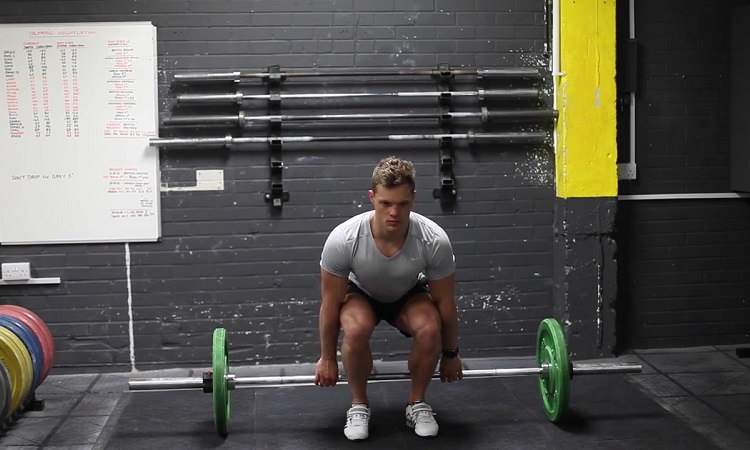
This is very similar to the machine-based hack squat workout. It offers nearly all of the benefits of using the hack squat machine.
The only major difference is that this alternative tends to be more tedious since it involves the use of free weight.
How To Do
- Load your barbell just as if you were doing a deadlift.
- Stand at the front of the bar, bend, and firmly grab the bar.
- Stand up by pushing against the floor (as if you were pushing the floor away from you).
- As you get to the standing position, the bar should slide along the back of your legs.
- Go down while bending at your knees and hips at the same time.
Pro Tip
If you are having trouble with this workout, consider using a power rack to assist you to get the right bar path.
Landmine Squat
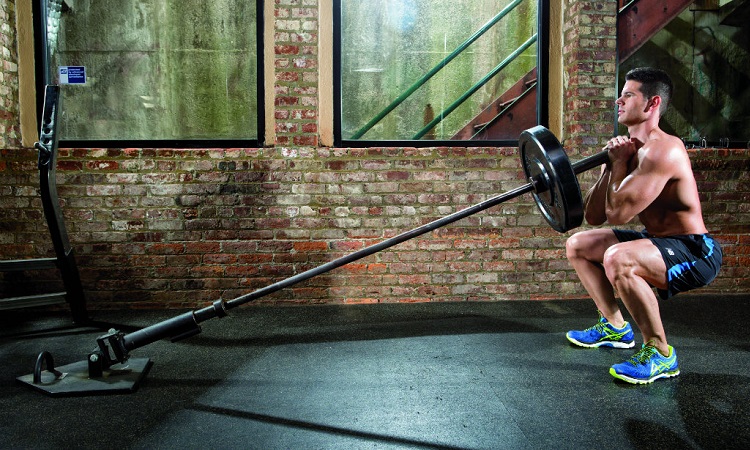
This is another great alternative to the hack squat machine that allows you to stay partially upright and effectively load your quads.
How To Do
- Put a barbell in the landmine attachment.
- Add some weight to both ends of the barbell.
- It is best not to use plates larger than 25 pounds because they can limit your range of motion.
- Use one smooth movement to lift the bar from the floor and up to your chest.
- Move your feet back a bit to allow your torso to lean slightly forward, before starting your descent.
- When you reach the right depth, go back to the starting position.
Pro Tip
Make sure to lean your torso slightly forward into the bar when doing the landmine squat. This will help you avoid placing too much weight on your heels and remove the sensation of falling backward while you squat down.
Front Squat
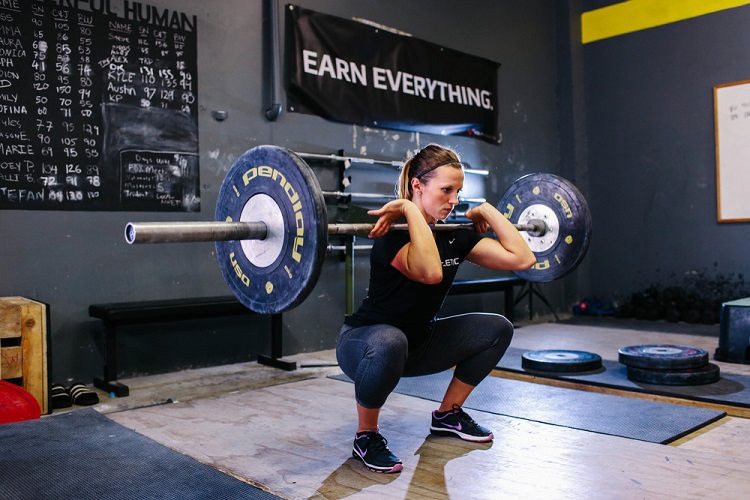
The front squat uses a free weight to perform squats, making it a great hack squat variation that strengthens your quads.
How To Do
- Place a bar at about shoulder height using a rack.
- Steady the bar in the part of your shoulder where it bends (the crook of your shoulder).
- Hold the bar with your hands slightly wider than shoulder-width apart with the base of your fingers closing around the bar.
- Push your elbows up to get your triceps parallel to the floor.
- Stand and lift the bar off the rack.
- Take one or two steps back and get into your squat stance.
- Gently bend at your knees
- As you get to a suitable depth, push yourself back up.
Pro Tip
If your wrist hurts as you do this squat, try placing only your fingertips on the bar rather than holding the bar with the top of your palms
Conclusion
Now that you know how to use the hack squat machine and have also seen a few good alternatives, go ahead and try it out. You are sure to get impressive benefits from using the machine, as it will help you smash your fitness goals.
Thankfully, the hack squat machine is beginner-friendly, so it is not complicated to use. However, you should remember it is still a machine and you need to follow all safety tips when working out.
Resources:
.