
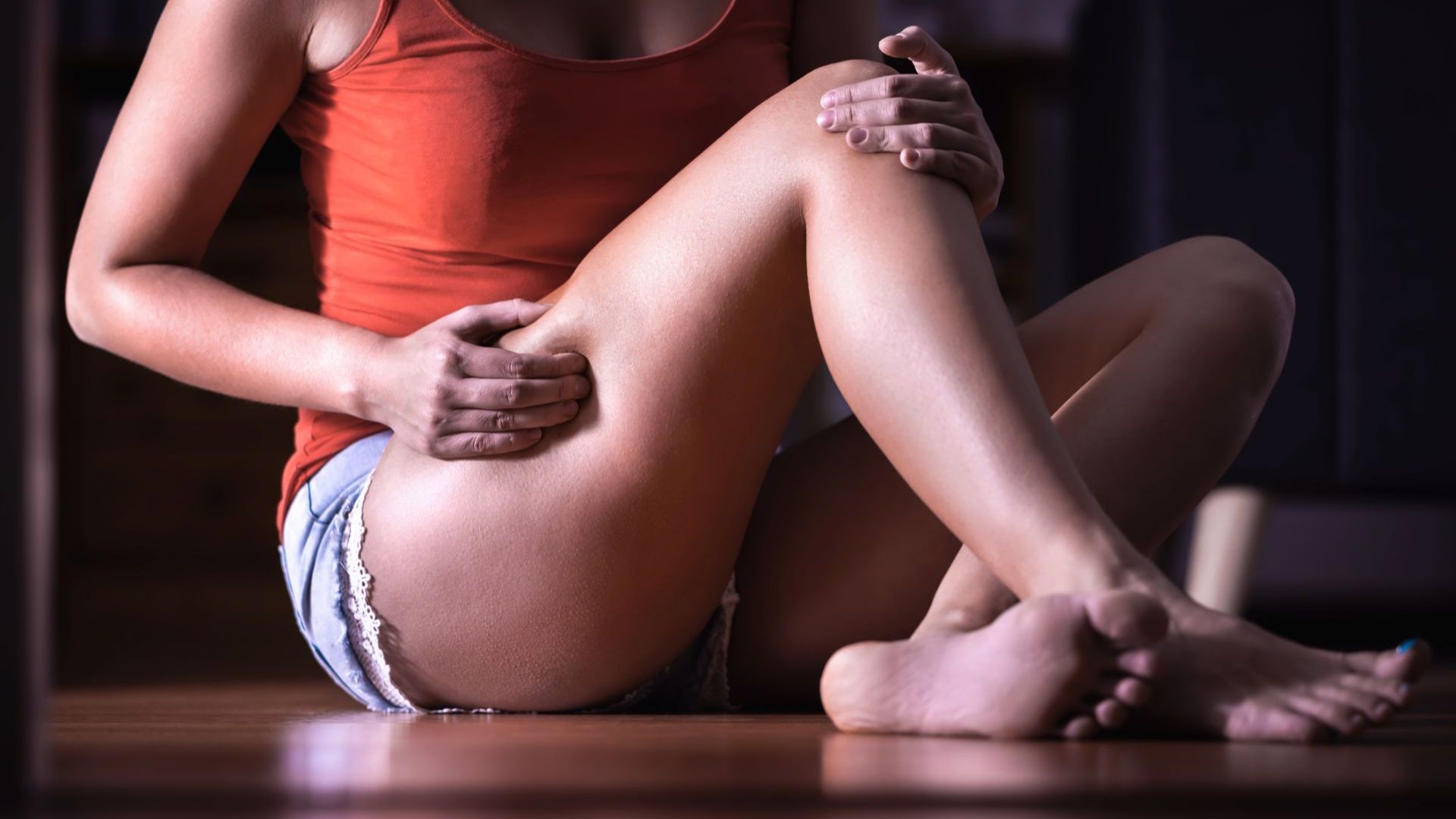
Fats are naturally stored in different parts of the body. Although it is believed that they are evenly stored in the body, the accumulated fat is conspicuous in parts like the belly, back, thighs and legs.
One needs to understand that fats in the body are not bad. It only becomes an issue when the fats become higher than the recommended amount, about 20% of body weight for males and about 27% of body weight for females.
Body fat is indeed needed for several physiological functions of the body, and a shortage of it could negatively affect health. Women naturally have more body fat than men, so they are likely to have more excess fat.
One place in the body where women don't want excess fat is the legs. Many women have struggled with how to lose leg fat because it affects their appearance.
Women dream of straight legs and want to wear sport shorts in the summer that expose them.
Many women do not feel confident about the shape of their legs and try all they can to lose leg fat. But despite their best efforts, it seems they don't know how to go about it.
If you are a woman, or you simply want to know how to lose leg fat for women, we've put together a manual that would provide answers to your questions.
However, let us clarify from the start that it is impossible to target fat loss in only one area of the body, like the legs.
Although certain exercises can address specific areas, body fat can only be shed wholly. So if you want to learn how to tone your legs as a woman, read on.
Leg Fat Vs. Cellulite
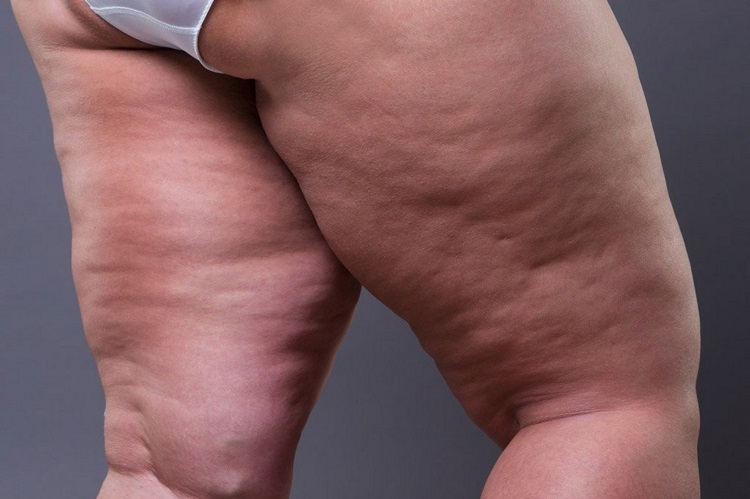
That rough, dimpled, and puckered look the skin has, especially around the thighs, buttocks, and belly is caused by cellulite.
Cellulite is a collection of fat. It gives that blurry appearance to the skin because as a body of fats, it adds pressure to the tissues just beneath the skin.
Cellulite makes the skin appear rough, uneven, and dimpy, but it causes no harm. You can't prevent cellulite as long as you have body fat, although you can reduce it with exercise.
So, is cellulite the same as fat or leg fat?
Although they are similar, fat does not necessarily lead to cellulite. Cellulite develops when a collection of fats, especially those around the skin, add pressure to the connective tissues, thereby affecting the appearance of the skin.
The fat that causes cellulite can be referred to as subcutaneous fat because these fats are found just beneath the skin as an insulator to the bones, tissues, and skin.
This type of fat when they lump together and press the tissues of the skin causes cellulite.
The other type of fat, called visceral fat, is found around different body organs. It is this type of fat, that can cause an increase in the size of different parts of the body, especially the waist, belly, back, and legs when they accumulate.
So, the difference between leg fat and cellulite is that leg fat is an accumulation of visceral fats. In contrast, cellulite is a collection of subcutaneous fat that gives the skin a rough look by pressing on the tissues.
However, there's a similarity. Both cellulite and leg fats can be reduced with exercise.
Best Exercises for Leg Fat Loss
Remember, you can reduce body fat by exercising. If your target is leg fat, there are different ways to address it. But, you cannot spot reduced fat from any one part of your body, not even your leg, which is the target of several exercises.
So, while these procedures may reduce fat from your legs, they are necessary to reduce fat all over the body.
Several researchers have worked on the topic of how to lose leg fat for women. The conclusion is that a combination of aerobic exercises and strength training is necessary to lose body fat and get the leg in proper shape.
It is important to incorporate cardiovascular exercises that increase heart rate into muscle-building, strength training, and workouts.
While strength training can help reduce body fat considerably, aerobic exercises burn calories. Both exercises directly impact fat loss in the body as loss of calories results in loss of fats.
Examples of aerobic exercises that can help include running and swimming, while strength training exercises include squats, lunges, and deadlifts.
Let's look at some of the exercises and how best to do them for the best results.
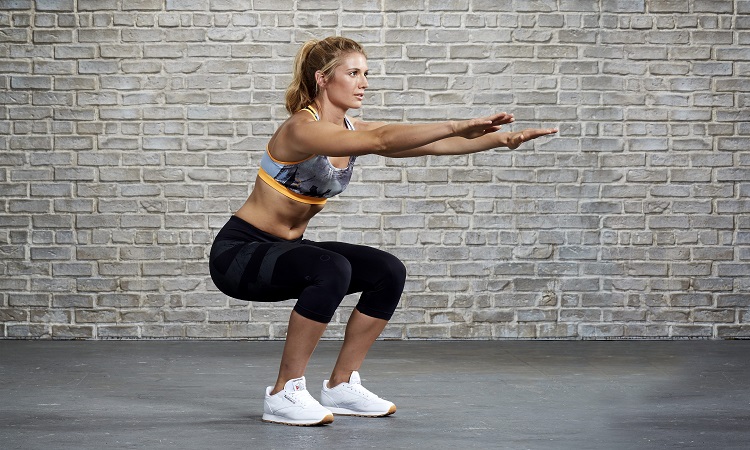
#1 Squats
Squats are great at addressing the muscles in the lower part of the body. These moves can help in the burning of fats and building muscles around the legs since those muscles are put under a lot of pressure.
To increase the pressure and guarantee better results, you may add weight to the exercise. Simply grab some weights on both hands as you squat.
How to do squats:
- Stand with the feet apart from each other and the hips sent backward to allow the knees to bend as low as possible.
- You may need to balance yourself with your hands as you go down.
- If you want a more intense session, you may add some hold-on to weights on both hands.
- Lift yourself by pressing through your heels.
This exercise is sure to give the fats in your legs a run for their money, and you may start noticing changes in a short time.
#2 Deadlifts
You may wonder how lifts help you in losing leg fat. It is simple. They do so by challenging the muscles in the lower part of your body. You need a lot of core strength and stability in your legs and thigh to perform deadlifts successfully.
How to do deadlifts:
- Push your feet to the floor and stand up with your hand firmly holding on to the weights.
- The technique keeps your arms straight and brings your hips slightly forward.
- To lift the weights, you would contract your abs and engage the muscles of your thighs and legs.
- Lower the weight to the floor by bending your knees and pushing your buttocks to the back.
#3 Step-ups
Step-ups are great because they target glutes, hamstrings, quads, and calves. Also, they effectively build the leg muscles. Of course, when muscles are developed, fats disappear.
There's no better way for those seeking to know how to lose leg fat for women than to perform step-ups.
How to do Step-ups:
- Stand in front of an elevated surface
- Place one foot on the top of the surface, and then pushing through that leg until your entire body is lifted off the ground to the surface.
- Now step down with the other foot and repeat the procedure with that foot.
The exercise builds the leg muscles and gives strength to the abs.
Diet For Leg Fat Loss
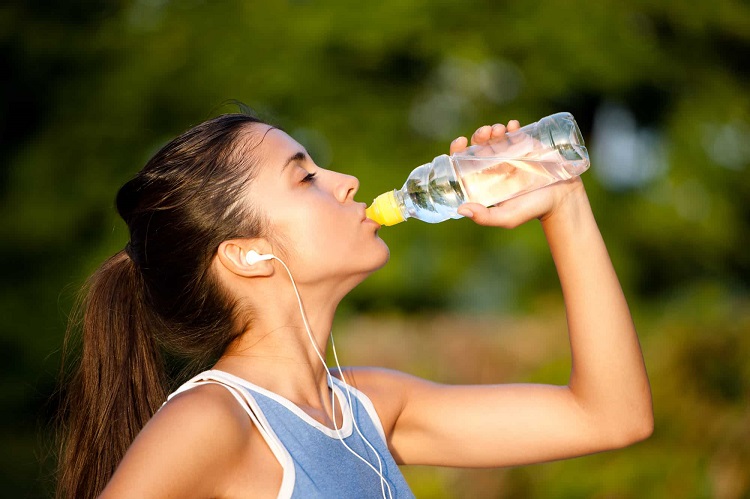
Any fat-loss adventure depends highly on a diet. A poor diet makes it difficult to succeed, no matter how dedicated the exercises are. If you want to know how to lose leg fat for women, here are diet recommendations.
- Drink a lot of water: You need a lot of water to keep the body functioning. As you lose fat and calories, your body should not be deprived of water.
- Cut off refined sugar: Refined sugar in meals comes in food and drinks. Nothing can work against a fat loss like refined sugars in sodas, cakes, pastries, and juices.
- Cut off refined Carbohydrates: Refined carbohydrates like white rice, bread, and pasta are full of calories that supply in abundance the substances you spend hours burning off in cardiovascular exercises and strength training.
- Increase your fiber intake: By taking lots of fruits and vegetables, you build your muscles and increase your capacity to lose fats and burn calories without breaking down.
- Increase the protein in your diet: Go for lean meat, eggs, and dairy products for your protein. Remember to increase your protein intake significantly.
Lifestyle Changes

While you're exercising and working out, you also need some minor adjustments in your lifestyle habits. First, you must ensure you get enough sleep. Nothing stabilizes your body like a good night's sleep.
Also, try to walk more often. Walking is a form of exercise, so increase the distance you walk daily. Finally, take things easy, as there's a chance you'll be too hard on yourself. Slow and steady, they say, wins the race.
Can Supplements Help?

Supplements may help in your diet, especially with your protein intake. If you think you're not getting enough protein, supplements may help. But you may not need them if you exercise well, eat well and rest well.
Conclusion
You don't have to keep those fats in your leg as a woman if you don't want them. You can keep yourself fit with simple exercises. With determination and patience, you can shed some of that excess fat.
Resources: